

 发送
发送 分享
分享
 详情
详情 指南
指南

 下载图片
下载图片
 相似作品
相似作品 幻灯片播放
幻灯片播放 统计数据
统计数据Paris


 阅读全文
阅读全文
手工油画复制品
由我们的艺术家按需定制,为您提供您所选尺寸及画框的布面手工油画。 ( 切换至版画销售渠道 切换至数字图像销售渠道)




































您可以从与原作比例一致的预设尺寸中进行选择。

请输入您需要的宽度和高度,以适配您的画框或墙面。由于作品为手工绘制,若您选择不同的尺寸比例,艺术家可能会在画面边缘多画一些或稍作裁剪 —— 由您决定。在开始绘画之前,我们会为您发送一份数字效果图供您确认。本页面上展示的图片并非最终实物 —— 只有效果图才能反映真实结果。
下单后,OriginalUniqueArt.com 团队将通过电子邮件联系客户获取具体要求,并提供效果预览图


 玻璃选项仅适用于110厘米以下的尺寸。

Paris
复制品材质
复刻品尺寸说明
-


总计金额
¥ 2015
Antonio Canova’s “Paris”: A Testament to Classical Idealism
Antonio Canova’s sculpture "Paris," completed in 1816, stands as an enduring emblem of Neoclassical artistic achievement—a masterful distillation of Greek sculptural tradition infused with profound humanist emotion. Created during a period marked by intellectual ferment and the burgeoning Romantic movement, this monumental marble figure transcends mere representation; it embodies an aspiration for moral virtue and heroic contemplation.
Subject Matter and Mythological Inspiration
The sculpture depicts Paris, the Trojan prince famed for his abduction of Helen—a pivotal event that ignited the Trojan War. Canova’s choice to portray Paris wasn't merely decorative but deliberate. He sought to elevate the mythological narrative into a meditation on human dignity and moral fortitude. The figure embodies the heroic ideal championed by Neoclassical thinkers who admired the virtues of Stoicism and rational contemplation—qualities considered essential for cultivating inner peace and achieving excellence.
Technique and Material Considerations
Canova’s unparalleled skill in marble carving is evident throughout “Paris.” He employed a meticulous process involving preparatory sketches, clay modeling, and wax casting—techniques honed over decades of experience. The sculpture's surface possesses an astonishing smoothness achieved through painstaking polishing, revealing the intricate musculature and subtle drapery folds with breathtaking clarity. The use of Carrara marble—renowned for its purity and translucency—allowed Canova to capture the luminosity characteristic of classical sculptures and imbue the figure with a palpable sense of presence.
Historical Context and Artistic Influences
"Paris" emerged from the crucible of the Napoleonic era, when Rome served as Napoleon’s imperial capital. This context profoundly shaped Canova's artistic sensibilities—he was deeply influenced by Michelangelo Buonarroti’s monumental sculptures in St. Peter’s Basilica, which exemplified the grandeur and expressive power of classical art. The sculpture reflects a broader cultural preoccupation with reviving Greco-Roman ideals amidst the turbulent upheavals of the Enlightenment and Romanticism—a desire to recapture the serenity and moral seriousness associated with antiquity.
Symbolism and Emotional Impact
The pose of “Paris”—one hand raised in contemplation, the other resting on his hip—communicates a state of profound thoughtfulness and inner resilience. Closed eyes convey an inward gaze, suggesting a preoccupation with ethical considerations and spiritual reflection. The drapery folds are rendered with meticulous detail, mirroring the flowing garments worn by Greek sculptures and symbolizing nobility and grace. Ultimately, “Paris” serves as a powerful reminder of humanity’s capacity for moral virtue—a timeless masterpiece that continues to inspire awe and admiration.
艺术家简介
安东尼奥·卡诺瓦:大理石中的生命
- 出生:意大利,波萨尼奥 (1757年)
- 逝世:1822年
在西方艺术史上,安东尼奥·卡诺瓦(Antonio Canova)是一位巍然屹立的巨匠,被公认为新古典主义雕塑艺术的巅峰代表。他凭借对大理石雕刻近乎神迹的掌控力,以及将古典形式与深邃情感完美融合的非凡能力,在人类艺术史的长河中确立了其无可撼动的地位。卡诺瓦出生于意大利波萨尼奥的一个石匠家庭,其父皮埃特罗·卡诺瓦(Pietro Canova)的职业背景,为他早年的艺术启蒙铺就了基石,使他在充满艺术气息的环境中度过了童年。
早年岁月与艺术磨砺
- 家族传承:父亲的石匠职业让他自幼便与石材打交道,而他的祖父帕西诺·卡诺瓦(Pasino Canova)是一位擅长祭坛和浅浮雕的雕塑家,在培养卡诺瓦的天赋方面发挥了至关重要的作用。
- 艺术萌芽:早在十岁之前,卡но瓦便展现出了惊人的天赋,他创作的小型大理石神龛足以彰显其与生俱来的灵性。随后,他在朱塞佩·贝尔纳迪(Giuseppe Bernardi,绰号“Torretto”)和乔瓦尼·费拉里(Giovanni Ferrari)的指导下进行学徒训练,不断精进技艺。
- 学院深造:在威尼斯美术学院(Accademia di Belle Arti di Venezia)的学习生涯中,他屡获殊荣,这进一步巩固了他作为一名极具潜力的青年艺术家的声望。此外,修道院内的作坊也为他提供了施展才华、磨炼技艺的理想空间。
- 早期委任:他早期的作品,如为参议员乔瓦尼·法列尔(Giovanni Falier)创作的《奥菲斯与欧律狄刻》(1775-1777),虽仍带有明显的洛可可风格痕迹,却已隐约透出日后新古典主义那种洗练而高雅的韵味。
名声鹊起与新古典主义风格的确立
- 定义新古典主义:卡诺瓦的作品以优雅的形态、理想化的身姿以及对古希腊罗马审美原则的回归为核心特征。他高明地避开了巴洛克艺术中过于戏剧化的情感冲突,同时又成功克服了早期古典复兴尝试中常见的冰冷感,赋予作品一种温润而神圣的气息。
- 传世杰作与国际认可:诸如《丘比特与普赛克》(约1787-1793)、《忏悔的玛格达莱娜》以及《赫拉克勒斯与利卡斯》等雕塑作品,使他的名声传遍了整个欧洲。他的艺术造诣深受欧洲王室与贵族的追捧。
- 艺术声望的传播:卡诺瓦极具战略眼光地通过出版作品版画以及将石膏模型转化为大理石版本等手段,积极推广自己的职业生涯,确保了他的艺术风格能够广泛传播。
- 国际赞誉:来自欧洲各地的委任创作——包括为威尼斯驻罗马大使朱利亚诺·朱里安(Girolamo Zulian)创作的《忒修斯与米诺陶洛斯》——最终奠定了他作为欧洲最受瞩目的艺术家之一的崇高地位。
巅峰巨作与艺术遗产
- 卓越雕塑:除了上述名作,卡诺瓦的其他重要作品还包括《意大利维纳斯》、《缪斯·波吕许姆涅》、《跳舞的三美神》,以及他对《欧律狄刻》那令人心碎的深情刻画。
- 宏伟的纪念性委任:他曾承接过极具分量的陵墓设计任务,其中最著名的莫过于罗马圣彼得大教堂内精美绝伦的《教皇克雷芒十三世之墓》——这不仅是雕塑技艺的巅峰,更是建筑设计才华的明证。
- 安东尼奥·卡诺瓦石膏博物馆:这座博物馆收藏了其最为重要的作品集,为后人研究他的创作过程与艺术演变提供了无与伦比的珍贵视角。
- 对后世的影响:卡诺瓦的影响力远远超越了他的生命周期,他不仅塑造了新古典主义雕塑的发展轨迹,更以其精湛的技术和表现力激励了无数后继艺术家。
历史地位与深远意义
- 新古典主义的化身:安东尼奥·卡诺瓦已成为新古典主义运动的代名词,他完美诠释了该运动所追求的秩序、清晰以及回归古典文明的理想。
- 宫廷雕塑家与外交官:作为众多欧洲统治者的宫廷雕塑家,他拥有相当大的政治影响力,并得以在整个欧洲大陆塑造艺术审美潮流。
- 技术革新:卡诺瓦在大理石雕刻领域无与伦比的技艺挑战了人类想象力的边界,为雕塑艺术的卓越标准树立了新的标杆。
- 永恒的艺术遗产:他的雕塑作品至今仍令全世界的观众为之倾倒,确立了他作为历史上最重要、最具影响力的艺术家之一的永恒地位。

安东尼奥·卡诺瓦
1757 - 1822 , 意大利
快速概览
- Artistic Movement Or Style: 新古典主义
- Artists Or Movements Influenced By This Artist: ['后期的新古典主义艺术家']
- Artists Who Influenced This Artist: ['晚期巴洛克雕塑家']
- Date Of Birth: 1757年
- Date Of Death: 1822年
- Full Name: 安东尼奥·卡诺瓦
- Nationality: 意大利
- Notable Artworks:
- 丘比特与普赛克
- 忏悔的玛格达莱娜
- 赫拉克勒斯与利卡斯
- 忒修斯与米诺陶洛斯
- 跳舞的三美神
- 欧律狄刻
- 意大利维纳斯
- Place Of Birth (City And Country): 意大利,波萨涅
相关文章

Timeless Elegance: A Complete Guide to the Sublime Beauty and Artistry of Marble Sculpture
Discover the sublime beauty of marble art through an expert exploration of Renaissance and Neoclassical masterpieces. From the delicate textures of Carpeaux to the grandeur of Sansovino, immerse yourself in a guide to timeless elegance and sculptural perfection.

Bronze Sculptures That Defined Art History | OriginalUniqueArt
Journey through art history with our Top 10 bronze sculptures! Explore masterpieces by Rodin, Michelangelo & more. Discover stories behind iconic statues and find museum-quality reproductions for your home decor at OriginalUniqueArt.com.

The Enduring Allure of Marble in Art History: From Classical Sculpture to Modern Abstraction
Explore the captivating history of marble sculpture from ancient Greece to modern art. Discover renowned artists like Canova & Michelangelo, carving techniques, and investment insights at OriginalUniqueArt.

The Enduring Form: Exploring Themes & Techniques in Sculpture Across Historical Periods
Explore the rich history of sculpture from ancient masterpieces to contemporary innovations. Discover key techniques, influential artists & investment potential for discerning art collectors.
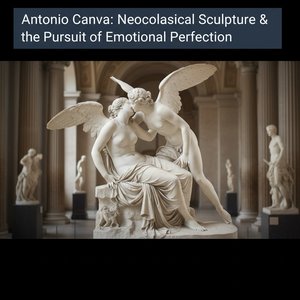
Antonio Canova: Neoclassical Sculpture & the Pursuit of Emotional Perfection
Explore the life & art of Antonio Canova, the greatest Neoclassical sculptor. Discover his masterpieces, innovative techniques, and lasting influence on fine art collecting. Expert insights for discerning investors.
