实景预览
实景预览
 发送
发送 分享
分享
 详情
详情 指南
指南

 下载图片
下载图片
 相似作品
相似作品 X射线
X射线 幻灯片播放
幻灯片播放 统计数据
统计数据Parnassus (study)


 阅读全文
阅读全文
艺术微喷/版画
博物馆级艺术微喷或帆布版画,制作高效,并提供多种饰面选择。 ( 订购此收藏品的纯手工复刻画作 切换至数字图像销售渠道)




P118B ¥10

P118H ¥10

P118W ¥10

P438Z ¥10

P508JH ¥12

P508YH ¥12

P805H ¥10

P805Z ¥10

P919BZ ¥10

P919G ¥10

P919XJ ¥10

P959ZH ¥10

P968JZ ¥12

W106C ¥8

W218G ¥10

W218JH ¥8

W218Y ¥10

W307PJ ¥10

W316G ¥10

W316PJ ¥8

W316Y ¥10

W398PJ ¥8

W4111J ¥10

W500HY ¥15

W500JH ¥15

W692G ¥12

W849H ¥8

W940BG ¥15

W953PJ ¥8




您可以从与原作比例一致的预设尺寸中进行选择。

请输入您所需的宽度和高度,以适配您的画框或墙面。由于印刷品只能进行裁剪,无法超出原图尺寸,因此若比例不一致,画面的一部分将会被裁切。在正式印刷之前,我们会为您发送一份数字效果图供您确认。本页面显示的图片并非最终裁剪后的效果——只有效果图才能展示真实的裁剪情况。


 玻璃选项仅适用于110厘米以下的尺寸。

Parnassus (study)
艺术微喷/版画
复刻品尺寸说明
-


总计金额
¥ 537
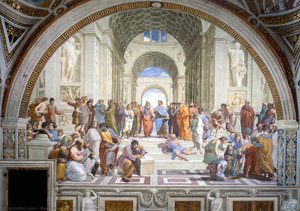
A Glimpse of Enlightenment: Anton Raphael Mengs’ “Parnassus (Study)”
Anton Raphael Mengs' "Parnassus (Study)," painted in 1760, isn’t merely a depiction of a classical scene; it’s a carefully constructed meditation on knowledge, aspiration, and the burgeoning spirit of Neoclassicism. This intimate study, far removed from the grand scale of his later frescoes, offers an unparalleled intimacy with Mengs' artistic process – a rare opportunity to witness the genesis of a masterpiece. The painting captures a gathering around a statue of Apollo, the mythical patron of the arts and sciences, surrounded by figures engaged in various intellectual pursuits. It’s a tableau vivant, brimming with quiet contemplation and subtle gestures that speak volumes about the era’s fascination with reviving classical ideals.
The Neoclassical Composition: Harmony and Restraint
Mengs' style here is distinctly Neoclassical, reflecting the artistic currents of 18th-century Europe. He meticulously adheres to the principles established by artists like Raphael and Michelangelo – a commitment to clarity, balance, and idealized forms. The composition is remarkably ordered; figures are arranged with deliberate precision, creating a sense of harmonious equilibrium. Note the careful use of light and shadow, which sculpts the forms and directs the viewer’s eye across the scene. The muted palette—dominated by earthy tones of ochre, brown, and grey—further enhances the painting's sense of restraint and intellectual seriousness. The background is deliberately vague, emphasizing the figures themselves and drawing attention to their interactions.
- Apollo’s Centrality: The statue of Apollo serves as the undeniable focal point, radiating an aura of authority and wisdom.
- The Muses' Presence: Flanking Apollo are the nine Muses, each embodying a different artistic discipline – poetry, music, dance, etc. Their graceful poses and attentive gazes suggest their role as guides and inspiration for the assembled scholars.
- Diverse Figures: The gathering includes philosophers, poets, musicians, and artists, representing the breadth of intellectual pursuits valued during this period.
Symbolism Woven into Detail: Bananas and Beyond
Beyond the obvious references to classical mythology and philosophy, “Parnassus (Study)” is rich in subtle symbolism. The inclusion of two bananas – a rather unexpected detail – has sparked considerable debate among art historians. Some interpret them as representing the fruits of knowledge, while others see them as a playful nod to contemporary trends or even a commentary on the fleeting nature of beauty and pleasure. The bowl on the table, filled with fruit, reinforces this theme of abundance and nourishment for the mind. The careful placement of each object contributes to the painting’s layered meaning, inviting viewers to engage in a deeper interpretation.
A Window into Mengs' Process: Intimacy and Reflection
What truly distinguishes “Parnassus (Study)” is its intimate scale and evident preparatory nature. It’s not a finished masterpiece but rather a study, a glimpse into Mengs’ creative process. The brushstrokes are visible, revealing the artist's hand at work – a testament to his dedication and meticulous attention to detail. The painting exudes a sense of quiet reflection, suggesting that Mengs was not simply documenting a scene but grappling with fundamental questions about art, knowledge, and the role of the individual within society. It’s a poignant reminder that even in grand artistic endeavors, the most profound insights often emerge from moments of focused contemplation.
Reproductions of “Parnassus (Study)” offer a remarkable opportunity to bring this captivating artwork into your home or office. Each carefully crafted reproduction captures the painting's nuanced details and evocative atmosphere, allowing you to appreciate Mengs’ genius for generations to come.
问答详情
"Parnassus (study)"创作于何时,属于哪种艺术流派?
"Parnassus (study)"创作于1760年,属于Neoclassical运动。
在“Parnassus (study)”中,媒介与笔触是如何结合的?
在“Parnassus (study)”中,Acrylic On Canvas技法与Neoclassical运动完美融合。
安东·拉斐尔·门克斯 的《Parnassus (study)》 的亮度是多少?
安东·拉斐尔·门克斯 的《Parnassus (study)》 的亮度为 Soft Shadow。亮度描述了色彩呈现出的反射光量。
艺术家简介
安东·拉斐尔·门格斯:连接世界的桥梁
安东·拉斐尔·门格斯(Anton Raphael Mengs,1728-1779)是一位在欧洲艺术史上占据着独特地位的画家。他活跃于巴洛克风格逐渐衰落、新古典主义思潮兴起的关键时期,是连接这两个重要艺术流派的重要桥梁。1728年,门格斯出生于波希米亚的乌斯季纳德拉贝姆(今捷克共和国),他的艺术生涯深受其家族背景和启蒙运动思想的影响。他的父亲伊士玛埃尔·门格斯是一位丹麦画家,在德累斯顿宫廷享有盛誉,早早就发现了安东非凡的天赋。1741年,门格斯一家迁往罗马,这一举动对他的艺术发展产生了深远影响。在罗马,年轻的门格斯沉浸于古代杰作和文艺复兴大师如拉斐尔的作品研究中。这种熏陶深刻地塑造了他的审美观,使他对古典形式、清晰性和构图怀有深深的敬意——这些品质将成为他成熟风格的标志。早年时光主要致力于精细的临摹,这不仅仅是一种技术练习,更是一次深刻的艺术朝圣之旅,旨在吸收拉斐尔天才的精髓。从德累斯顿到马德里:跨越宫廷的职业生涯
门格斯的职业生涯在几个重要的欧洲宫廷展开,每一个都对其艺术发展留下了独特的印记。1749年,他获得了萨克森选帝侯弗雷德里克·奥古斯特宫廷画家的职位,这个职位既为他提供了经济保障,又使他能够保持与罗马——他的艺术灵感中心——的联系。然而,真正确立他声誉的是他的壁画。《阿尔巴尼别墅的帕纳索斯山》完成于1761年左右,立刻引起轰动,因其和谐的构图、优雅的人物和对古典神话的微妙而强大的表现而备受赞誉。这不仅仅是一种装饰性的点缀;它更是一份声明——一种有意识地尝试将巴洛克风格的宏伟与新兴的新古典主义原则相结合。随之而来的是更多的委托,包括装饰罗马圣欧塞比奥教堂穹顶的壮丽壁画,展示了他对纪念性装饰和空间幻觉的掌握能力。也许他最具雄心的项目始于1761年从西班牙宫廷发来的邀请。他前往马德里,负责装饰几个皇家宫殿,最终完成了皇家宫殿宴会厅的天花板——被认为是他的杰作之一,展示了他将意大利优雅与西班牙感性相结合的非凡能力。与温克尔曼的联系:塑造新古典主义思想
门格斯的艺术发展并非仅仅由视觉研究驱动;它与知识讨论紧密交织。一个关键的转折点是他与约翰·约阿希姆·温克尔曼(Johann Joachim Winckelmann)的密切友谊和合作,温克尔曼是一位先驱性的艺术史学家,他的著作将成为新古典主义运动的基础。温克尔曼倡导回归古代希腊艺术的纯洁性和简洁性,提倡一种基于理性、秩序和理想形式的美学。门格斯不仅仅是为温克尔曼的理论作画;他积极参与塑造它们,将抽象概念转化为有形的艺术表现。他们共同认为,真正的美不在于表面的装饰,而在于古典古代中发现的和谐与比例的基本原则。这种伙伴关系超越了理论讨论;它体现在门格斯的绘画作品中,这些作品越来越反映出温克尔曼对崇高简洁和克制情感的强调。影响是相互的:温克尔曼的著作为门格斯的艺术努力提供了哲学框架,而门格斯的艺术则证明了新古典主义理想的可行性——以及美丽。遗产与影响:时代的先驱
安东·拉斐尔·门格斯于1779年去世于罗马,留下了一笔超越其令人印象深刻的作品的遗产。他不仅仅是一位画家;他是从一个艺术时代过渡到另一个关键人物。虽然扎根于巴洛克传统——这体现在他对光影的戏剧性运用和对幻觉技术的掌握能力中——门格斯勇敢地拥抱了新兴的新古典主义原则,为雅克-路易·大卫和安东尼奥·卡诺瓦等艺术家铺平了道路。他强调古典理想,结合了他精湛的技术,使他成为塑造18世纪艺术的领先力量。《阿西西学派》,为诺森伯兰公爵创作,证明了他将历史先例与当代艺术感性相结合的能力。除了绘画和壁画之外,门格斯的影响还扩展到教育领域;他担任梵蒂冈绘画学校校长,培养了一代精通古典原则的新艺术家。他是一位复杂的人物——一位虔诚的天主教徒,同时也参与了启蒙运动的思想,一位在传统与创新之间取得平衡的艺术家。他的生活和工作代表了艺术技巧、智力好奇心和历史环境的迷人交汇,巩固了他作为新古典主义艺术真先驱的地位。他的影响至今仍在回响,提醒我们古典理想持久的力量能够激励和改变艺术表达。
安东·拉斐尔·门克斯
1728 - 1779 , 捷克共和国
快速概览
- Artistic Movement Or Style: 新古典主义绘画
- Artists Or Movements Influenced By This Artist: ['新古典主义']
- Artists Who Influenced This Artist:
- 拉斐尔
- 提香
- 科雷乔
- Date Of Birth: 1728年3月22日
- Date Of Death: 1779年6月29日
- Full Name: 安东·拉斐尔·门克斯
- Nationality: 德国-波希米亚
- Notable Artworks (List Of Titles):
- 帕尔纳斯山
- 雅典学院
- 查理四世王子
- Place Of Birth (City And Country): 波希米亚的乌斯季纳德拉贝姆
相关文章
The Timeless Elegance of Academic Classicism: A Journey Through Order, Precision, and the Pursuit of Perfection
Explore the profound beauty of Academic Classicism. Discover how masters used order, precision, and classical ideals to achieve timeless perfection in art history, from Neoclassical portraits to the pursuit of ideal beauty.
古典主义的永恒遗产:原则、演变与西方艺术的影响
深入探索古典主义艺术的起源、演变与西方艺术史上的深远影响。OriginalUniqueArt.com提供高品质油画复制品和专业艺术咨询,助您鉴赏经典,收藏传世之作。

Neoclassical Art: The Ultimate Guide to Timeless Power, Precision, and the Classical Ideal
Master the elegance of Neoclassical art with our expert guide. Explore the transition from Rococo to classical order, discover legendary masters, and learn how to bring timeless Greco-Roman precision and grandeur into your modern collection through premium hand-painted reproductions.
Neo-Classicism's Greatest Hits: 10 Masterpieces for Your Home |
Journey through Neo-Classicism's finest! Explore 10 iconic masterpieces by David, Ingres & Canova. Discover art history, techniques & timeless beauty – perfect for inspiring your home decor. Find museum-quality reproductions at

Neoclassical Art: The Timeless Elegance of Order, Virtue, and Classical Grace
Explore the profound elegance of Neoclassical art. Discover the principles of order, symmetry, and virtue through the works of masters like David and Mengs. Immerse yourself in a journey of classical grace and timeless aesthetic perfection.