
 实景预览
实景预览
 分享
分享 分享
分享
 详情
详情 指南
指南

 下载作品
下载作品
 相似作品
相似作品 X射线
X射线 幻灯片播放
幻灯片播放 问答
问答 统计数据
统计数据Two Jaguars from Peru

- 242.0 x 314.0 cm


 展开全文
展开全文
艺术微喷/版画
博物馆级艺术微喷或帆布版画,制作高效,并提供多种饰面选择。 ( 订购纯手工绘制画作 切换至数字图像销售渠道)




P118B ¥10

P118H ¥10

P118W ¥10

P438Z ¥10

P508JH ¥12

P508YH ¥12

P805H ¥10

P805Z ¥10

P919BZ ¥10

P919G ¥10

P919XJ ¥10

P959ZH ¥10

P968JZ ¥12

W106C ¥8

W218G ¥10

W218JH ¥8

W218Y ¥10

W307PJ ¥10

W316G ¥10

W316PJ ¥8

W316Y ¥10

W398PJ ¥8

W4111J ¥10

W500HY ¥15

W500JH ¥15

W692G ¥12

W849H ¥8

W940BG ¥15

W953PJ ¥8




您可以从与原作比例一致的预设尺寸中进行选择。

请输入您所需的宽度和高度,以适配您的画框或墙面。由于印刷品只能进行裁剪,无法超出原图尺寸,因此若比例不一致,画面的一部分将会被裁切。在正式印刷之前,我们会为您发送一份数字效果图供您确认。本页面显示的图片并非最终裁剪后的效果——只有效果图才能展示真实的裁剪情况。


 玻璃选项仅适用于110厘米以下的尺寸。

Two Jaguars from Peru
艺术微喷/版画
复刻品尺寸
-


最终结算价
¥ 543
Two Jaguars from Peru – A Masterpiece of Romantic Animal Sculpture
Antoine-Louis Barye’s *Two Jaguars from Peru*, completed in 1833, stands as a cornerstone of animal sculpture and exemplifies the fervent spirit of Romanticism. More than just a depiction of magnificent creatures—the jaguar, revered as a symbol of power and nobility in Mesoamerican cultures—this watercolor captures a moment of palpable interaction between two animals, skillfully rendered with meticulous detail and infused with dramatic emotion.
- Subject Matter: The painting portrays two jaguars positioned close together. One jaguar stands upright on the left, while the other lies prone on the right, creating an arresting juxtaposition of postures that speaks to Barye’s fascination with animal anatomy and behavior.
- Style & Technique: Barye's approach distinguishes him from his contemporaries; he eschewed idealized representations in favor of capturing animals in their natural habitat with remarkable realism. Watercolor was chosen as the medium, allowing for subtle gradations of tone and highlighting textures—particularly crucial for conveying the fur’s sheen and musculature. The artist employed a squared paper technique, ensuring precise proportions and facilitating accurate transfer onto canvas.
The historical context surrounding *Two Jaguars from Peru* is equally significant. Barye was deeply influenced by classical sculpture—particularly Michelangelo's David—and sought to emulate its grandeur and expressive power. Simultaneously, he embraced Romantic ideals of sublime beauty and emotional intensity, mirroring the broader artistic trends of his time.
- Historical Context: Barye’s work emerged during a period marked by scientific exploration and fascination with exotic cultures. The jaguar imagery draws upon Aztec and Mayan beliefs about animal spirits and divine power—a reflection of the burgeoning interest in Mesoamerican archaeology.
- Symbolism: Beyond its aesthetic qualities, *Two Jaguars from Peru* embodies symbolic representations of strength, vigilance, and primal instinct. Barye’s masterful rendering captures not merely an animal form but also a psychological state – conveying a sense of alertness and connection within the natural world.
The emotional impact of this artwork is undeniable. Barye's ability to convey dynamism and immediacy—evident in the subtle shading and expressive poses—transcends mere visual representation. It invites contemplation on the beauty and majesty of wildlife, while simultaneously hinting at a deeper exploration of human connection with the natural world. *Two Jaguars from Peru* remains an enduring testament to Barye’s artistic genius and his pivotal role in establishing animal sculpture as a respected genre.
常见问题与解答
安托万-路易·巴里 的《Two Jaguars from Peru》 的色彩是鲜艳还是柔和?
“Two Jaguars from Peru”的色彩饱和度为Subtle Color,色彩强度为Balanced。
安托万-路易·巴里 的《Two Jaguars from Peru》 的构图比例如何,尺寸是多少?
安托万-路易·巴里 的《Two Jaguars from Peru》 是一幅尺寸为 242 x 314 cm 的 Landscape 作品。
安托万-路易·巴里 的《Two Jaguars from Peru》 的对比度表现如何?
"Two Jaguars from Peru" 的明暗对比度记录为 Statement。对比度描述了亮部与暗部之间的差异强度。
艺术家简介
动物雕塑的先驱:安托万-路易·巴里的一生与传奇
1795年9月24日出生于巴黎的安托万-路易·巴里,在19世纪雕塑界崛起为一位举足轻重的核心人物。他不仅仅是在描绘动物,更是赋予了它们前所未有的戏剧张力与解剖学的精准度,从而有效地将“动物雕塑”(animalier)这一专注于动物形态的流派推向了纯艺术的殿堂。巴里的艺术旅程并非始于雕塑家的工作室,而是追随父亲的脚步,从一名金匠学徒做起。这段早期的训练培养了他对细节近乎苛刻的关注以及对技艺的精湛掌握,这些品质在其整个职业生涯中都发挥了无可估量的价值。随后,他在弗朗索瓦-约瑟夫·博西奥和安托万-让·格罗斯男爵等雕塑家的指导下进一步磨炼技艺,在吸收古典主义原则的同时,也逐渐孕育出一种独特的浪漫主义情怀。虽然他在美术学院(École des Beaux-Arts)接受的正规教育为其奠定了坚实的基础,但真正点燃他艺术灵魂的,却是与真实世界的邂逅——确切地说,是1823年前后在巴黎植物园(Jardin des Plantes)中所观察到的那些生灵。从金匠到动物雕塑家:独特风格的蜕变
巴里对观察动物的热情近乎痴迷。他从不只是匆匆一瞥,而是通过研究、素描以及对动物解剖结构、动作和行为的细致分析来捕捉生命。然而,这种对写实主义的追求并非冰冷或机械的,它充满了浪漫主义运动特有的情感热忱。早期的作品,如学生时代创作的《被狮子吞噬的克罗塔纳的米洛》(1819)和《赫拉克勒斯与埃律曼托斯山猪》(约1820年),已然显露出他在动态构图和戏剧性叙事方面的天赋。真正确立其标志性风格的,是那些震撼人心的杰作,例如在沙龙上引起轰动的巨型石膏作品《虎食鳄鱼》(1831),以及青铜铸造的《狮子压制毒蛇》(1832)。这些作品并非静止的形态呈现,而是被凝固在时间里的原始力量瞬间,捕捉到了自然界生存斗争中那残酷而壮丽的美感。他超越了单纯的模仿,转而传达动物生命的本质——其力量、敏捷与不羁的灵魂。他的作品引起了当时公众对异域风情和荒野生物日益增长的着迷,反映了浪漫主义时期人们渴望突破文明社会束缚、追求远方体验的精神寄托。宏伟杰作与纪念碑式委约创作
在整个艺术生涯中,巴里创作了令人惊叹的系列雕塑,每一件都展示了他捕捉动物形态与动态的卓越技艺。除了标志性的《虎食鳄鱼》和《狮子压制毒蛇》,诸如《忒修斯与米诺陶洛斯》(1843)、《希波格里夫上的罗杰与安杰丽卡》(1846)、《拉皮斯与半人马》(1848)以及《美洲豹吞食野兔》(1850)等大师之作,充分展现了他的多变性与想象力。他的创作并不局限于捕食者的遭遇,他也涉足神话题材,并赋予这些场景同样的动态能量与解剖精度。此外,他的才华也延伸到了小比例青铜器之外。巴里曾获得过许多重要的纪念碑式委约任务,包括作为法国韧性象征的“七月柱狮像”,以及装饰在巴黎杜乐丽花园的雕塑群。这些大型项目证明了他将艺术愿景转化为公共艺术的能力,巩固了他作为法国顶尖雕塑家的地位。影响、磨难与永恒的意义
巴里的作品是多种影响力的集大成者。浪漫主义对情感和个人主义的强调,在他雕塑中那紧绷的戏剧张力中清晰可见;与此同时,他对解剖准确性和理想化形式的追求,也体现了从古典艺术中汲取的灵感。然而,真正让他脱颖而出的是他那种科学式的观察方法——这直接源于他在植物园度过的无数个研究动物的日夜。尽管获得了评论界的赞誉,巴里的生活却并非一帆风顺。由于缺乏商业头脑,他在职业生涯的大部分时间里都饱受财务困扰。1848年的破产迫使他变卖模型和模具,导致市场上出现了大量劣质仿品,一度损害了他的名誉。虽然他在1854年担任自然历史博物馆绘画教授期间获得了一定的稳定,但直到他去世后,他的天才才真正得到了应有的认可。今天,安托华-路易·巴里被公认为现代动物雕塑之父。他对后世艺术家的影响是无可辩驳的,他的作品因其力量、写实感和持久的美感而受人景仰。他将“动物雕塑”从一种小众追求提升为一种受人尊敬的艺术表达形式,在雕塑史上留下了不可磨灭的印记。他的传奇至今仍在激励着全世界的收藏家与博物馆。
安托万-路易·巴里
1796 - 1875 , 法国
艺术家简介
- Artistic Movement Or Style: 浪漫主义
- Artists Or Movements Influenced By This Artist: ['动物雕塑家']
- Artists Who Influenced This Artist:
- 弗朗索瓦-约瑟夫·博西欧
- 安托万-让-格罗男爵
- Date Of Birth: 1795年9月24日
- Date Of Death: 1875年6月25日
- Full Name: 安托万-路易·巴里
- Nationality: 法国
- Notable Artworks:
- 食鳄鱼虎
- 狮压蛇
- 忒修斯与米诺陶洛斯
- 罗杰与安杰丽卡
- 拉皮斯与半人马
- 美洲豹食野兔
- Place Of Birth: 法国巴黎
相关文章

水彩艺术的流光溢彩:历史渊源、情感共鸣与现代实践
探索水彩艺术的流光溢彩!深入了解其历史渊源、大师技法与现代实践。提供专业的艺术咨询、定制油画服务,助您收藏和鉴赏优秀作品。OriginalUniqueArt.com – 您的艺术之选。

Watercolor Wonders: 10 Masterpieces That Redefined Art History | OriginalUniqueArt
Journey through 10 legendary watercolor masterpieces by Sargent, Turner & Homer! Explore iconic landscapes, portraits & floral art that redefined history. Find museum-quality reproductions and curated decor ideas at OriginalUniqueArt.com.
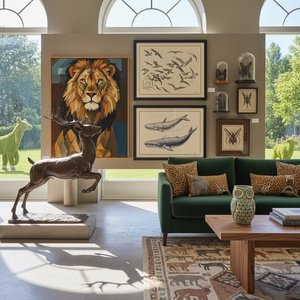
生机勃勃:动物意象在艺术与室内设计中的永恒呈现
探索动物意象在艺术史上的永恒魅力!OriginalUniqueArt.com提供高品质油画复制、定制肖像及室内设计咨询。大师作品还原,个性化创作,点亮您的家居生活。专业团队,值得信赖!

Ephemeral Visions: Exploring the Artistic Legacy & Nuances of Watercolor Painting
Explore the captivating world of watercolor painting! Discover its rich history, essential techniques, influential artists & collecting tips from art experts. A comprehensive guide for enthusiasts.

Ephemeral Visions: Exploring the Artistic Legacy & Contemporary Practice of Watercolor Painting
Explore the captivating world of watercolor painting! Discover its rich history, essential techniques, influential artists & collecting tips. A comprehensive guide for art enthusiasts from OriginalUniqueArt.

