

 效果预览
效果预览
 分享
分享 分享
分享
 详情
详情

 下载
下载
 相似作品
相似作品 X射线
X射线 幻灯片播放
幻灯片播放 统计数据
统计数据A Funeral


 展开详情
展开详情
手工油画复制品
由我们的艺术家按需定制,为您提供您所选尺寸及画框的布面手工油画。 ( 切换至版画销售渠道 切换至数字图像销售渠道)




P118B $10

P118H $10

P118W $10

P438Z $10

P508JH $12

P508YH $12

P805H $10

P805Z $10

P919BZ $10

P919G $10

P919XJ $10

P959ZH $10

P968JZ $12

W106C $8

W218G $10

W218JH $8

W218Y $10

W307PJ $10

W316G $10

W316PJ $8

W316Y $10

W398PJ $8

W4111J $10

W500HY $15

W500JH $15

W692G $12

W849H $8

W940BG $15

W953PJ $8




从与原作比例一致的预设尺寸中进行选择。

您可以输入自定义尺寸,以适配特定的画框或空间。如果所选尺寸与原图比例不符,我们将通过裁剪作品或添加手绘元素来扩展画面。数字样稿将在制作开始前发送给您确认。
请注意,屏幕预览无法准确反映实际的裁剪或扩展效果,只有样稿才能真实呈现最终的构图。
虽然我们提供定制尺寸服务,但为了保留原作比例,建议您从预设列表中选择尺寸。
下单后,OriginalUniqueArt.com 团队将通过电子邮件联系客户获取具体要求,并提供效果预览图。


 玻璃选项仅适用于110厘米以下的尺寸。

A Funeral
复制材质
复制品尺寸
-


最终总价
$ 300
A Funeral – An Exploration of Grief and Light
Anna Kirstine Brøndum Ancher’s “A Funeral,” painted in 1891, stands as a poignant testament to both the solemn beauty of mourning and the masterful Impressionistic technique that characterized her artistic output. Executed on a large canvas, this artwork captures a moment of profound grief within the tranquil setting of Skagen Church, offering viewers an intimate glimpse into a pivotal period of Danish art history.The Scene: Domestic Tranquility Amidst Sorrow
The painting depicts a funeral service taking place in St. Michael’s Church, Skagen. At the forefront stands a man delivering a eulogy – likely Michael Ancher himself, Anna's husband and fellow artist – his gaze directed towards the congregation. Beside him sits a woman, presumably Anna, her posture conveying quiet contemplation and sorrow. The inclusion of two chairs adds to the sense of stillness and formality, anchoring the scene within the domestic sphere despite its solemn subject matter. A simple dining table occupies the background, topped with a bowl containing flowers – a traditional symbol of remembrance and sympathy. These carefully positioned elements contribute to an atmosphere of understated dignity and emotional resonance.Impressionistic Technique: Capturing Fleeting Light
Ancher’s artistic brilliance lies in her ability to convey emotion through meticulous observation and skillful manipulation of light. Characteristic of the Skagen Painter colony, she employed loose brushstrokes and vibrant color palettes to capture the ethereal quality of sunlight filtering through stained glass windows. The dominant hues are muted yellows and blues, reflecting the diffused illumination within the church – a deliberate choice that underscores the painting’s contemplative mood. Notice how Ancher skillfully blends colors to create subtle gradations of tone, enhancing the sense of depth and realism without resorting to photographic accuracy. This technique aligns perfectly with Impressionism's core principle: prioritizing sensory experience over precise representation.Symbolism: Grief, Remembrance, and Spiritual Reflection
Beyond its visual beauty, “A Funeral” is laden with symbolic significance. The funeral service itself represents the universal human experience of loss and bereavement. However, Ancher’s masterful use of light serves as a powerful counterpoint to this sorrowful subject matter. Light symbolizes hope, faith, and spiritual illumination – suggesting that even amidst grief, there remains an enduring connection to something greater than oneself. The flowers on the dining table symbolize remembrance and compassion, reminding viewers of the importance of honoring those who have passed away. Furthermore, the church setting represents solace and comfort, reinforcing the painting’s overarching theme of finding peace in faith during times of hardship.Legacy: Ancher's Enduring Influence
“A Funeral” exemplifies Anna Ancher’s profound connection to her surroundings and her unwavering commitment to portraying human emotion with sensitivity and nuance. It solidified her reputation as one of Denmark’s foremost Impressionist painters, influencing generations of artists who followed in her footsteps. Today, reproductions of this artwork continue to inspire admiration for its understated elegance and emotional depth—a timeless masterpiece that speaks volumes about the complexities of grief and the enduring power of artistic vision.艺术家简介
沐浴在斯卡恩光影中的生命
安娜·克里斯蒂娜·布伦杜姆·安彻(Anna Kirstine Brøndum Ancher),世人更熟知其名为安娜·安彻,在丹麦艺术史上占据着一个独特且备受珍视的地位。1859年,她出生于丹麦日德兰半岛最顶端的偏远渔村——斯卡恩。她的生命与这片土地及当地社区有着本质的纽带,这种联系也成为了她艺术愿景的代名词。与许多被戏剧性的北欧光影所吸引而来的“斯卡恩画家”不同,安娜并非一名过客;她本身就是斯卡恩的一部分,在凛冽的海风与变幻莫测的天空下成长。这种深厚的情感连接赋予了她的作品一种罕见的真实感与亲密感,这是那些仅仅从远处观察的艺术家所难以企及的。她的父亲埃里克·安德森·布伦杜姆经营着著名的布伦杜姆酒店,这里曾是无数艺术家寻找该地区原始之美的避风港——这种长期的艺术熏陶无疑滋养了她早期的艺术倾向。自幼年起,她便沉浸在创造性的能量与思想碰撞的激荡之中,为她日后投身绘画的一生奠定了坚实的基础。成长岁月与艺术蜕变
安娜的天赋很早就开始绽放,促使她的家人支持她接受正式的艺术训练。她在哥本哈根的维尔赫姆·基恩绘画学院度过了三年时光,磨炼素描技巧,并逐渐形成了一种以敏锐观察力和细腻色彩理解力为特征的独特风格。然而,真正拓宽她艺术视野的是在巴黎的学习经历——在皮埃尔·皮维·德·沙瓦纳的工作室里,她与玛丽·特里普克(后来的克罗伊)并肩学习。这段接触新技法与新视角的经历弥足珍贵,但她始终坚守着自己的北欧根脉。1880年,一个关键时刻降临了,她与另一位著名的斯卡恩画家迈克尔·安彻结为连理。他们的结合不仅是私人生活的结合,更是艺术上的协作,在整个职业生涯中促进了彼此的灵感与支持。尽管当时的社会期望往往将女性局限于家庭角色,但安娜在婚后以及女儿海尔加出生后,依然保持着高产的创作,展现了对艺术事业非凡的执着。捕捉日常生活与光影之魂
安娜·安彻的艺术重心在于描绘斯卡恩人民——渔民、他们的妻子及孩子——在亲密的家庭环境中的日常生活。她并不热衷于宏大的历史叙事或神话场景;相反,她在平凡的生存瞬间中寻找美与意义。她的画作以对光线和色彩的卓越敏感度为特征,巧妙地捕捉了阳光穿透窗棂时那转瞬即逝的效果,用温暖而诱人的光辉照亮室内空间。诸如《蓝色安妮》(1882)等作品展示了她对色彩交织的精湛掌控,而《厨房里的女孩》(1883-1886)则为人们提供了一个窥见家庭生活的动人视角。她拥有一种非凡的能力,能通过色调与纹理的细微变化来传达氛围与情感。她的后期作品,例如《带有铁线莲的室内场景》(1913),进一步展示了她在探索光影交错方面的进阶技艺,创造出既具视觉冲击力又具情感共鸣的画面。她不仅仅是在描绘所见之物,更是在传递身处那些瞬间时的真实感受。传承与深远影响
安娜·安彻对丹麦艺术的贡献早已超越了她的个人画作。作为一名先驱性的女性艺术家,她挑战了传统的社会规范,为后世女性艺术家开辟了道路。她的作品在丹麦印象派以及更广泛的北欧现代突破运动的发展中发挥了至关重要的作用,这一运动旨在寻求对现实更加真实且本真的呈现。如今,她的画作被收藏于哥本哈根的希尔施普伦收藏馆、海尔加·安彻基金会以及斯卡恩博物馆等享有盛誉的机构中——这些都是她持久艺术价值的明证。安彻夫妇在斯卡恩的故居已被保存为“安彻之家”博物馆,为参观者提供了一个穿越时空、体验其艺术灵感源泉的独特机会。这里作为他们生活与作品的生动纪念碑,确保了安娜·安彻的遗产能够继续激励并吸引着一代又一代的观众。她能在平凡生活中发现深邃之美,并辅以对光影色彩的大师级处理,这使她稳固地成为了丹麦最受爱戴且最重要的艺术家之一。
安娜·安彻
1859 - 1935
艺术家简介
- Artistic Movement Or Style: 印象派,北欧艺术
- Artists Who Influenced This Artist:
- 皮埃尔·吕维·德·沙凡
- 玛丽·特里普克·克罗伊
- Date Of Birth: 1859年8月18日
- Date Of Death: 1935年4月15日
- Full Name: 安娜·克斯蒂内·安彻
- Nationality: 丹麦
- Notable Artworks:
- 蓝色安妮
- 厨房里的女孩
- 缝补的渔家女
- 带有铁线莲的室内场景
- 剪羊毛
- 拔圣诞鹅
- Place Of Birth: 丹麦,斯卡恩
相关文章
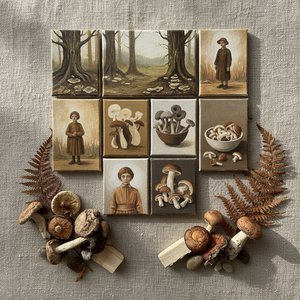
Earthy Hues & Masterpieces: Top 10 Paintings with 'Mushroom' Tones |
Explore 10 iconic paintings with captivating 'mushroom' tones! Discover Van Gogh, Monet & Rembrandt’s masterpieces—earthy palettes, rich history & artistic techniques. Find museum-quality art reproductions and curated decor ideas at

Sandstone & Sunlight: 10 Masterpieces of Earth-Toned Art |
Journey through 10 iconic paintings bathed in 'sand' tones – from Van Gogh to Monet. Explore the stories, techniques & warm palettes of these timeless masterpieces. Find museum-quality art reproductions at and bring classic beauty home.
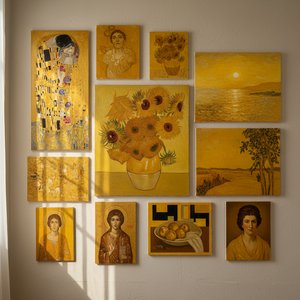
Golden Hues: Top 10 Paintings Dominated by Yellow Ochre |
Explore 10 iconic paintings bathed in golden yellow ochre! From Van Gogh's sunflowers to Monet’s haystacks, discover the stories behind these masterpieces. Find museum-quality art reproductions & elevate your home decor on .
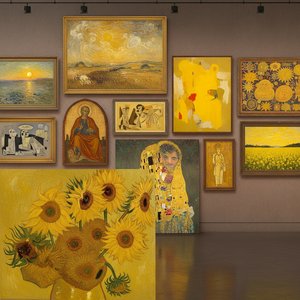
Golden Hues: 10 Masterpieces Dominated by Chrome Yellow | OriginalUniqueArt
Immerse yourself in golden light! Explore 10 famous paintings dominated by 'Chrome Yellow', from Van Gogh’s Sunflowers to Monet's Haystacks. Discover the stories behind these iconic Impressionist & Post-Impressionist masterpieces and find museum-quality art reproductions at OriginalUniqueArt.com.
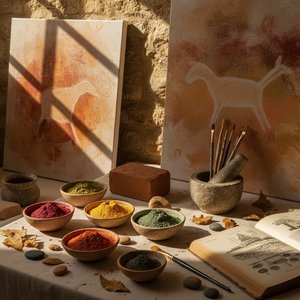
The Resonance of Earthly Tones: Exploring Nuance, History & Emotional Impact in Art
Explore the captivating world of earth tones in art! Discover historical context, emotional resonance & artistic techniques behind these timeless colors. Find inspiration for your home decor and museum-quality reproductions.