切换至版画销售渠道
 展开全文
展开全文







































 对于任何边长超过 105 厘米(约 41 英寸)的艺术品或复制品,画框将以拆解后的组件形式发货。此方法可确保安全送达并防止运输过程中的损坏。


A Dance of Image and Illusion: Examining Warhol’s Untitled (3299)
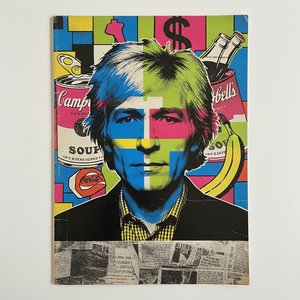
Andy Warhol's "untitled (3299)" isn’t merely a depiction of a dance studio; it’s an encapsulation of the pervasive influence of celebrity culture within Pop Art, rendered with Warhol’s signature silkscreen technique. Created sometime in the late 1960s – though precise dating remains elusive – this piece exemplifies Warhol's fascination with repetition and mass production, transforming a seemingly mundane scene into a monumental statement about artistic process and visual perception. The photograph captures a ballet studio bathed in soft light, populated by women engaged in movement—a deliberate choice reflecting the artist’s preoccupation with performance and spectacle.- Subject Matter: The image focuses on a ballet rehearsal, highlighting the physicality of dance alongside its aesthetic qualities.
- Style: Warhol's distinctive Pop Art style prioritizes bold color palettes and simplified forms, rejecting traditional artistic conventions in favor of mirroring the visual language of advertising and popular culture.
- Technique: Warhol employed a silkscreen printing process—a method perfected during his time as a commercial illustrator—allowing for rapid replication and emphasizing the concept of mechanical reproduction. This technique deliberately undermines notions of originality, presenting an image as multiple copies rather than a singular artistic creation.
Historical Context: Warhol’s Engagement with Celebrity
Warhol's oeuvre is inextricably linked to the burgeoning fascination with celebrity during the mid-century American Dream era. He drew inspiration from figures like Marilyn Monroe and Elvis Presley, elevating them to iconographic status through his repeated silkscreen prints. “untitled (3299)” participates in this broader trend, mirroring Warhol’s broader exploration of fame and its impact on identity—a theme that resonates powerfully with the anxieties and aspirations of the time. The studio setting itself serves as a visual shorthand for aspiration and disciplined practice – elements Warhol skillfully distilled into his artistic vision.Symbolism Beyond Representation: Layers of Meaning
While superficially appearing straightforward, "untitled (3299)" harbors deeper symbolic resonances. The repetition inherent in the silkscreen process speaks to Warhol’s desire to challenge notions of authorship and originality, questioning whether an image can truly convey emotion or experience when disseminated widely. Furthermore, the ballet dancers embody grace, precision, and controlled movement—qualities that Warhol juxtaposes against the chaotic energy of popular culture, prompting viewers to contemplate the relationship between artifice and authenticity.Emotional Impact: A Reflection on Perception
Ultimately, Warhol’s masterpiece invites contemplation about how we perceive images and how repetition shapes our understanding of reality. The muted color scheme contributes to a sense of stillness and observation, encouraging viewers to consider the scene as both an aesthetic experience and a commentary on the cultural landscape. Like many of Warhol's works, “untitled (3299)” transcends mere visual representation, becoming a meditation on the transformative power of art and its ability to provoke thought—a legacy that continues to inspire artists and collectors alike.常见问题与解答
“untitled (3299)”代表了安迪·沃霍尔艺术生涯的哪个阶段?
“untitled (3299)”创作于安迪·沃霍尔艺术生涯的Mature Period时期。这一时期标志着该作品与艺术家艺术风格演进的紧密关联。
安迪·沃霍尔 的《untitled (3299)》 的亮度是多少?
安迪·沃霍尔 的《untitled (3299)》 的记录亮度为 Gentle Luminance。
“untitled (3299)”的作者是谁?
"untitled (3299)" 的创作者是 安迪·沃霍尔。该作品以 安迪·沃霍尔 的名义编入目录。
 实景预览
实景预览
 分享
分享 分享
分享
 详情
详情 指南
指南

 下载作品
下载作品
 相似作品
相似作品 X射线
X射线 幻灯片播放
幻灯片播放 问答
问答 统计数据
统计数据