 切换至版画销售渠道
 展开全文
展开全文







































 对于任何边长超过 105 厘米(约 41 英寸)的艺术品或复制品,画框将以拆解后的组件形式发货。此方法可确保安全送达并防止运输过程中的损坏。


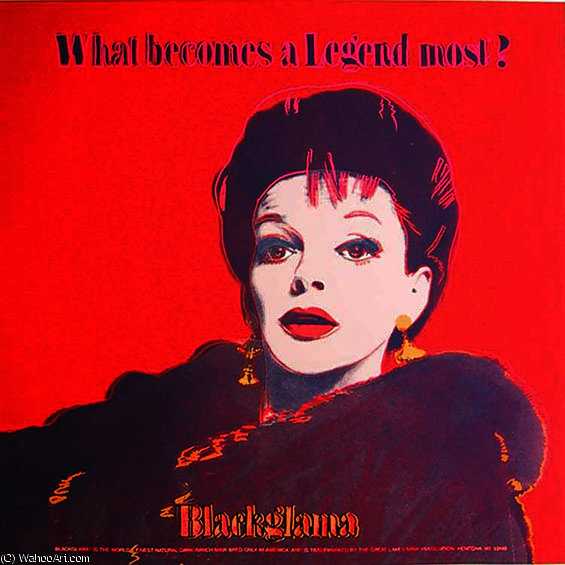
A Pop Icon Reimagined: Andy Warhol’s *Blackglama (Judy Garland)*
Andy Warhol's *Blackglama (Judy Garland)* is a striking example of his mastery within the Pop Art movement, and a poignant tribute to one of Hollywood’s most enduring – and tragic – figures. Created in 1985 as part of his *Ads* portfolio, this work transcends simple portraiture; it's a commentary on celebrity, consumerism, and the carefully constructed image projected by mass media.Decoding the Style: Pop Art & Warhol’s Technique
Warhol famously blurred the lines between high art and popular culture. *Blackglama (Judy Garland)* exemplifies this approach. The artwork utilizes a silkscreen printing technique, characteristic of Warhol's style, allowing for bold colors, repetition, and a somewhat mechanical aesthetic. This method deliberately removes the artist’s “hand,” mirroring the mass production inherent in advertising – the very subject matter being explored. The stark contrast between Garland’s face and the background, coupled with the flat planes of color, creates an immediate visual impact.Judy Garland: Beyond the Rainbow
Judy Garland, a name synonymous with golden-age Hollywood, was more than just a performer; she was an icon. Her unparalleled talent and captivating presence belied a life marked by personal struggles and professional pressures. Warhol’s choice of Garland is significant. He wasn't simply celebrating her fame but acknowledging the vulnerability hidden beneath the glamorous facade. The image itself is derived from a Blackglama mink advertising campaign featuring Garland, further layering the artwork with meaning about constructed personas and aspirational consumerism.The *Ads* Portfolio & Cultural Commentary
Commissioned by art dealer Ronald Feldman and published by George Mulder, Warhol’s *Ads* portfolio was a deliberate exploration of the pervasive influence of advertising on American society. By elevating commonplace advertisements to the status of fine art, Warhol challenged conventional notions of artistic subject matter. He forced viewers to confront the power of these images – their ability to shape desires, create illusions, and ultimately define cultural values. *Blackglama (Judy Garland)* isn’t just about a glamorous coat; it's about the dreams and anxieties sold alongside it.Symbolism & Emotional Resonance
The artwork is rich in symbolism. The Blackglama fur itself represents luxury, status, and aspiration. Garland’s expression, while seemingly poised, carries an undercurrent of melancholy – a subtle hint at the personal demons she battled throughout her life. This juxtaposition creates a powerful emotional tension, prompting viewers to consider the price of fame and the often-fragile reality behind public personas. The repetition inherent in Warhol’s technique can also be interpreted as reflecting the relentless cycle of media exposure and the commodification of celebrity.A Piece for Collectors & Interior Design
*Blackglama (Judy Garland)* is a compelling addition to any art collection, representing a pivotal moment in 20th-century art history. Its bold aesthetic and iconic subject matter make it a statement piece suitable for modern or contemporary interiors. The artwork’s color palette – typically featuring strong blacks, whites, and subtle tones within Garland's portrait – offers versatility, complementing a range of design schemes.- Style: Pop Art, Silkscreen Printing
- Subject: Portraiture, Celebrity, Advertising
- Colors: Bold contrasts, typically black, white and subtle flesh tones.
- Mood: Intriguing, melancholic, thought-provoking
常见问题与解答
安迪·沃霍尔 的《Blackglama (Judy Garland)》展现了怎样的色彩和谐感?
安迪·沃霍尔 的《Blackglama (Judy Garland)》 呈现出一种 色彩高度统一 的色彩和谐感。
安迪·沃霍尔 的《Blackglama (Judy Garland)》 在艺术史上的地位如何?
从历史上看,"Blackglama (Judy Garland)" 是广义上 现代主义 时期的 Pop Art 时期作品。
安迪·沃霍尔 的作品《Blackglama (Judy Garland)》是否属于公有领域?其原因是什么?
"Blackglama (Judy Garland)" 的版权状态 —— 仍受版权保护 —— 取决于艺术家于 1987 年逝世这一事实。
 实景预览
实景预览
 分享
分享 分享
分享
 详情
详情 指南
指南

 下载作品
下载作品
 相似作品
相似作品 X射线
X射线 幻灯片播放
幻灯片播放 Q&A
Q&A 统计数据
统计数据