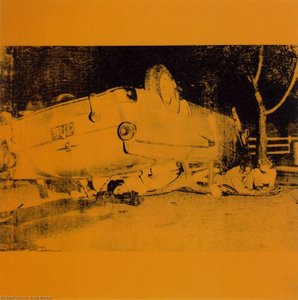
油画原件
 关于 Beethoven b 的一切







































 对于任何边长超过 105 厘米(约 41 英寸)的艺术品或复制品,画框将以拆解后的组件形式发货。此方法可确保安全送达并防止运输过程中的损坏。


A Musical Portrait: Warhol’s Beethoven
Andy Warhol's 1987 series featuring Ludwig van Beethoven is a fascinating departure for an artist so readily associated with the vibrant iconography of pop culture—Marilyn Monroe, Campbell’s Soup cans, and Coca-Cola bottles. Created in the final year of his life, these portraits aren’t merely depictions of a historical figure; they are meditations on fame, genius, and the very nature of representation itself. Warhol, ever attuned to the currents of celebrity, found in Beethoven a subject already imbued with mythic status, a cultural icon whose image had been endlessly reproduced and reinterpreted over centuries. This series, executed through his signature silkscreen technique, layers fragmented imagery—often incorporating musical notation—onto Stieler’s iconic 1820 portrait of the composer, creating a ghostly, almost ethereal presence. The resulting effect isn't about capturing Beethoven’s likeness with photographic precision; it’s about deconstructing and rebuilding his image, reflecting how memory and cultural perception shape our understanding of even the most revered figures.The Echoes of Pop Art Technique
Warhol’s choice of silkscreen printing is crucial to understanding this work. Having honed this technique throughout the 1960s, he embraced its capacity for mass production and repetition—qualities that mirrored the consumer culture he so often explored. In the Beethoven series, however, the repetition takes on a different resonance. It’s not about celebrating the proliferation of commercial goods; it's about examining how an image can be endlessly replicated yet simultaneously lose (or perhaps gain) meaning with each iteration. The layering of colors and textures—often bold and unexpected—adds another layer of complexity. Warhol wasn’t simply reproducing a portrait; he was actively intervening in its history, imbuing it with his own artistic sensibility. This process transforms Beethoven from a historical figure into a contemporary icon, filtered through the lens of Pop Art's distinctive aesthetic. The use of black and white, as seen in the “Beethoven b” reproduction, lends a classic gravitas to the work while simultaneously referencing the photographic origins of the silkscreen process.A Symphony of Symbolism
Beyond the technical aspects, Warhol’s Beethoven series invites contemplation on the relationship between art, music, and celebrity. The inclusion of musical notes within the composition isn't merely decorative; it serves as a visual reminder of Beethoven’s enduring legacy as one of history’s greatest composers. It suggests that his genius transcends time and continues to resonate in contemporary culture. Furthermore, by portraying Beethoven alongside figures like Marilyn Monroe or Elvis Presley, Warhol subtly questions the very definition of fame. Is artistic brilliance fundamentally different from celebrity status? Does the passage of time elevate certain individuals to a level of cultural significance that eclipses their original context? These are questions that Warhol doesn’t explicitly answer but rather invites us to consider through his art. The series feels like a visual echo, a reverberation of Beethoven's influence across centuries and artistic movements.A Lasting Resonance
The “Beethoven b” reproduction offers more than just an aesthetic addition to a space; it provides a conversation starter, a window into the mind of one of the 20th century’s most influential artists. Its monochrome palette lends itself well to a variety of interior styles—from minimalist modern spaces to more traditionally decorated rooms. The image's inherent drama and intellectual weight make it a compelling focal point, inviting viewers to engage with its layers of meaning. For collectors, this work represents a significant moment in Warhol’s career—a late-life exploration of themes that had preoccupied him throughout his artistic journey. It is a testament to the enduring power of art to challenge our perceptions and provoke new ways of seeing the world around us.常见问题与解答
Beethoven b是手绘的还是印刷的?
手工绘制:由受过专业训练的画家在亚麻画布上,以油画形式临摹 Beethoven b。
Beethoven b 我该选择什么尺寸?
尺寸范围从 31.7 x 31.5 cm (¥1337) 到 240.2 x 239.0 cm (¥13845);本页表格列出了主要步骤及其价格。
物流需要多长时间?
送货时间为 4 至 5 周,并提供全球免费快递服务;本页面还提供加急制作选项。您可以在 100 天内无条件退货并获得全额退款。
安迪·沃荷 在创作《Beethoven b》时使用了什么媒介?
Acrylic On Canvas
 实景预览

 分享
 分享
 详情
 详情页


 下载作品
 相似作品
 X射线
 幻灯片播放
 问答

 统计数据