

 效果预览
效果预览
 购买印刷品
购买印刷品 分享
分享 分享
分享
 详情
详情

 下载
下载
 相似作品
相似作品 X射线
X射线 幻灯片播放
幻灯片播放St Francis Marrying Poverty


 展开详情
展开详情




P118B $10

P118H $10

P118W $10

P438Z $10

P508JH $12

P508YH $12

P805H $10

P805Z $10

P919BZ $10

P919G $10

P919XJ $10

P959ZH $10

P968JZ $12

W106C $8

W218G $10

W218JH $8

W218Y $10

W307PJ $10

W316G $10

W316PJ $8

W316Y $10

W398PJ $8

W4111J $10

W500HY $15

W500JH $15

W692G $12

W849H $8

W940BG $15

W953PJ $8




从与原作比例一致的预设尺寸中进行选择。

您可以输入自定义尺寸,以适配特定的画框或空间。如果所选尺寸与原图比例不符,我们将通过裁剪作品或添加手绘元素来扩展画面。数字样稿将在制作开始前发送给您确认。
请注意,屏幕预览无法准确反映实际的裁剪或扩展效果,只有样稿才能真实呈现最终的构图。
虽然我们提供定制尺寸服务,但为了保留原作比例,建议您从预设列表中选择尺寸。
下单后,OriginalUniqueArt.com 团队将通过电子邮件联系客户获取具体要求,并提供效果预览图。


 玻璃选项仅适用于110厘米以下的尺寸。

St Francis Marrying Poverty
复制材质
复制品尺寸
-


最终总价
$ 300
作品详情
A Sacred Union of Devotion and Simplicity
In the quiet, profound stillness of Andrea Sacchi’s 1633 masterpiece, St Francis Marrying Poverty, we are invited into a moment of transcendent spiritual intimacy. This evocative work, housed within the prestigious Galleria Nazionale d'Arte Antica in Rome, captures the very essence of the Franciscan vow. The scene unfolds with a delicate balance of human emotion and divine purpose, as St Francis of Assisi kneels in humble supplication before the personification of Lady Poverty. There is a palpable sense of weightlessness in the spiritual atmosphere, yet the figures themselves possess a grounded, sculptural presence that commands the viewer's attention. Through Sacchi’s lens, the act of renouncing worldly wealth is not depicted as a loss, but as a profound and beautiful union.
The composition is a masterclass in the Baroque style, specifically reflecting the classical restraint that defined Sacchi’s unique contribution to the Roman school. Unlike the more frenetic and explosive compositions of his contemporaries, Sacchi employs a controlled use of light and shadow—a technique known as chiaroscuro—to sculpt the figures against a serene, pastoral backdrop. The soft, diffused light illuminates Lady Poverty’s face, revealing a countenance of serene grace, while the deep, earthy tones of St Francis’s Franciscan habit anchor the composition in a sense of rugged reality. This interplay between the ethereal and the terrestrial creates a three-dimensional depth that draws the eye inward, making the viewer feel less like an observer and more like a witness to this sacred covenant.
Symbolism and the Art of Classical Restraint
Every element within this painting serves a higher symbolic purpose, designed to guide the soul toward contemplation. Lady Poverty is not depicted as a figure of destitution or misery; rather, she stands with an upright, dignified posture, her simple attire and calm expression suggesting that true wealth lies in spiritual purity. St Francis, positioned on the right, embodies the ultimate gesture of humility. His raised hands and kneeling stance represent a total surrender of the ego, a central tenet of his life’s mission. The landscape behind them—a gentle arrangement of trees and rolling hills under an expansive blue sky—acts as a metaphor for the natural world that St Francis so deeply revered, providing a sense of infinite peace that mirrors the internal state of the saints.
For the discerning collector or interior designer, this painting offers more than mere decoration; it provides a focal point of profound narrative depth. The subtle use of color—the warm browns, the soft sky blues, and the naturalistic greens—allows the piece to integrate seamlessly into sophisticated environments, whether in a classical study or a contemporary gallery-style living space. A high-quality reproduction of this work brings with it the historical weight of the 17th century, offering an atmosphere of timelessness and intellectual rigor. It is a piece that invites conversation, prompting reflections on the values of simplicity, devotion, and the enduring beauty of the human spirit amidst the complexities of the modern world.
艺术家简介
根植于罗马巴洛克古典主义的一生
安德烈亚·萨基(Andrea Sacchi),生于1599年罗马附近的内托诺,卒于1661年,是充满活力的盛期巴洛克绘画领域中一位引人注目的艺术家。尽管他常常被皮埃特罗·达·科尔托纳等同时代人的光芒所掩盖,但萨基开辟了一条独特的道路,倡导一种古典的克制美学,使他在那个时代浮华的热潮中脱颖而出。他的艺术生涯与17世纪围绕罗马的知识和审美辩论密不可分,使他成为“古典”与“巴洛克”两种审美观念持续对话中的关键参与者。萨基的出身并不富裕;他的父亲贝内德托是一位技艺平庸的画家,但他注意到了儿子日益增长的天赋,并为他寻求了正规的训练。这促使他首先在卡瓦利耶·达尔皮诺(Cavalier d'Arpino)处学徒,随后进入了弗朗西斯科·阿尔巴尼(Francesco Albani)的指导下度过了一个关键时期——作为阿尔巴尼最后的优秀弟子,萨基吸收了定义其成熟作品的技术和风格基础。这种早期的熏陶对于塑造他对清晰度、平衡感以及精致形式感的偏爱起到了至关重要的作用。驾驭影响与确立风格
萨基的艺术发展并未局限于罗马的工作室;他积极地从超越其直接环境的大师那里汲取灵感。他对拉斐尔(Raphael)作品的深切钦佩渗透在他的作品中,这在他的构图中尤为明显——一种刻意限制人物数量的做法,辅以对富有表现力的面部表情的强调。他相信,较少但精心描绘的人物能够带来更清晰的叙事性和情感冲击力。进一步丰富了他艺术词汇的是他对威尼斯和帕尔马的旅行,在那里他沉浸于科雷乔(Correggio)的艺术之中。威尼斯的色彩运用和科雷乔优雅的形态巧妙地融入了萨基的调色板和构图。然而,在更广阔的巴洛克背景下运作,意味着他必须与皮埃特罗·达·科尔托纳等艺术家进行风格上的拉锯战,后者偏爱大型、人物密集的画布,这与萨基更为内敛的处理方式形成了鲜明对比。这种差异不仅仅是美学层面的;它点燃了一场重大的艺术辩论,最终塑造了萨基的艺术遗产。“古典”与“巴洛克”的争论
在圣卢卡学院(Accademia di San Luca)关于不同绘画风格优劣的激烈讨论中,萨基成为了核心人物。他强烈批评科尔托纳那些过度华丽的构图,认为它们缺乏焦点和清晰度,更像是“墙纸艺术”,而非有意义的叙事。萨基主张简洁,他相信画作应该只描绘少数几个人物,每个人物都应拥有独特的表情和姿态,以避免视觉上的混乱。这一观点引起了亚历山德罗·阿尔加尔迪(Alessandro Algardi)等雕塑家以及尼古拉·波辛(Nicolas Poussin)等画家的共鸣,他们成为了他观点的坚定支持者。这场辩论不仅仅关乎美学;它反映了关于艺术目的更广泛的哲学差异——究竟是让感官过载,还是通过精心构思的构图和情感深度来调动智力。萨基的立场主张在巴洛克框架内回归古典秩序与和谐的理想,寻求动态性与克制之间的完美平衡。赞助、杰作与持久的影响
萨基早期职业生涯的重要部分是在安东尼奥·巴伯里尼枢机主教(Cardinal Antonio Barberini)的赞助下蓬勃发展的,他为罗马的卡普青尼教堂和巴伯里尼宫委托创作了作品。这份支持使他得以发展自己的风格并承担宏伟的项目。两件主要的祭坛画收藏于梵蒂冈美术馆,展示了他对构图和叙事技巧的精湛掌握。然而,被公认为其杰作的是装饰在巴伯里尼宫的壁画——《神圣智慧》(Divine Wisdom)(1629–33年)。这件作品的灵感来源于拉斐尔在梵蒂冈宫的《帕纳斯神庙》,它超越了单纯的装饰;它融入了与乌尔班八世统治相关的复杂占星学象征,反映了宗教、政治和宇宙学主题的复杂交织。尽管与一些同时代人相比,萨基留下的作品数量相对较少,但他却维持了一个蓬勃发展的画派。他最著名的弟子卡洛·马拉塔(Carlo Maratta)继承了“宏大风格”,深刻影响了罗马艺术界数十年。其他吸收了萨基美学元素的艺术家包括弗朗西斯科·菲奥雷利(Francesco Fiorelli)、路易吉·加尔齐(Luigi Garzi)、弗朗西斯科·劳里(Francesco Lauri)、安德烈亚·卡马塞伊(Andrea Camassei)和贾辛托·吉米尼亚尼(Giacinto Gimignani)。他对清晰度、平衡感和克制情感的强调,给意大利艺术留下了不可磨灭的印记,确保了他在巴洛克古典主义演变史中的重要地位。《I>萨基的遗产不仅体现在他的画作中,更体现在他对优先考虑智力参与和情感共鸣的艺术原则坚定不移的承诺之中。
安德烈亚·萨基
1599 - 1661 , 意大利
艺术家简介
- Artistic Movement Or Style: 盛期巴洛克古典主义
- Artists Or Movements Influenced By This Artist:
- 卡洛·马拉塔
- 弗朗切斯科·菲奥雷利
- Artists Who Influenced This Artist:
- 拉斐尔
- 科雷乔
- Date Of Birth: 1599
- Date Of Death: 1661
- Full Name: 安德烈亚·萨基
- Nationality: 意大利
- Notable Artworks:
- 神圣智慧
- 搓手的胡须男子
- 三位老人
- 阿波罗加冕
- Place Of Birth: 意大利,奈都诺
相关文章
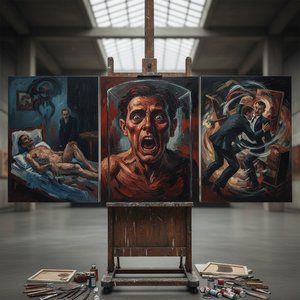
弗朗西斯·培根:25幅震撼人心的杰作,重塑艺术与家居空间 | Francis Bacon's 25 Masterpieces
探索弗朗西斯·培根25幅震撼人心的杰作,深入了解这位现代艺术大师的创作故事与情感世界。从《三幅习作》到肖像画,感受抽象表现主义的魅力。OriginalUniqueArt.com提供高品质艺术品复制,为您的家居空间增添艺术气息!立即探索完整系列。

Baroque Classicism: The Grandeur of Order and Drama in 17th-Century Art History
Explore the profound elegance of Baroque Classicism. Discover how 17th-century masters synthesized dramatic emotion with classical order through the lens of the Counter-Reformation and the works of legends like Carlo Maratta and Andrea Sacchi.

巴洛克艺术的戏剧性辉煌:历史背景、风格特征与持久影响
深入探索巴洛克艺术的辉煌历史、独特风格与持久影响。了解卡拉瓦乔、贝尼尼等大师的作品,洞悉反宗教改革运动下的艺术变革。OriginalUniqueArt.com为您提供专业的艺术解读与高清画作欣赏。

巴洛克戏剧性:将辉煌与情感融入当代室内设计
探索巴洛克艺术的辉煌与奢华!OriginalUniqueArt提供精湛的手工油画复制、定制服务和专业艺术咨询,助您将经典作品融入当代室内设计,提升家居品味。投资艺术,传承价值。

埃尔·格列柯25幅杰作:探索艺术大师的信仰与火焰
探索埃尔·格列柯25幅杰作,领略这位西班牙画家巴洛克风格的宗教绘画魅力。从《圣塞巴斯蒂安》到《沉思者》,感受信仰与艺术的交融。OriginalUniqueArt.com提供高品质油画复制品,为您的家居装饰增添经典之美!探索完整系列作品。

