

 实景预览
实景预览
 发送
发送 分享
分享
 详情
详情 指南
指南

 下载图片
下载图片
 相似作品
相似作品 X射线
X射线 幻灯片播放
幻灯片播放 统计数据
统计数据17th station, Okitsu

 阅读全文
阅读全文
艺术微喷/版画
博物馆级艺术微喷或帆布版画,制作高效,并提供多种饰面选择。 ( 订购此收藏品的纯手工复刻画作 切换至数字图像销售渠道)




































您可以从与原作比例一致的预设尺寸中进行选择。

请输入您所需的宽度和高度,以适配您的画框或墙面。由于印刷品只能进行裁剪,无法超出原图尺寸,因此若比例不一致,画面的一部分将会被裁切。在正式印刷之前,我们会为您发送一份数字效果图供您确认。本页面显示的图片并非最终裁剪后的效果——只有效果图才能展示真实的裁剪情况。


 玻璃选项仅适用于110厘米以下的尺寸。

17th station, Okitsu
艺术微喷/版画
复刻品尺寸说明
-


总计金额
¥ 537
A Glimpse of Edo-Era Japan: "17th Station, Okitsu" by Hiroshige
This exquisite Japanese woodblock print, titled "17th Station, Okitsu," offers a captivating window into 19th-century Japan. Created by the renowned artist Ando Hiroshige (1797-1858), this piece is part of his celebrated series depicting the Tōkaidō road – the vital artery connecting Edo (modern Tokyo) to Kyoto. More than just a scenic view, it's a snapshot of daily life interwoven with the beauty of the natural world, reflecting a profound harmony between humanity and its surroundings. The scene portrays Okitsu, one of the 53 post stations along this crucial route, showcasing a coastal landscape characterized by imposing rock formations, tranquil waters, and distant buildings nestled on the shoreline.Ukiyo-e Technique & Artistic Style
Hiroshige masterfully employs the traditional *ukiyo-e* technique – literally "pictures of the floating world." This style, flourishing from the 17th to 19th centuries, is defined by its vibrant colors, simplified forms, and emphasis on decorative patterns. The print’s creation involved a meticulous process: multiple woodblocks were carved, each dedicated to a specific color, before being carefully aligned and printed onto paper. Noticeable registration marks (small squares) are visible, testament to the precision required in this multi-layered printing method. Hiroshige's style is characterized by its atmospheric perspective – distant elements appear softer and less defined, creating a sense of depth and distance—and his use of flat planes of color rather than detailed shading, contributing to the print’s distinctive aesthetic appeal. The lines are primarily used to define shapes, with angular rocks contrasting against the fluid curves representing water.Historical Context & The Tōkaidō Road
"17th Station, Okitsu" is inextricably linked to the historical significance of the Tōkaidō road. During the Edo period, this route was not merely a transportation corridor; it was a symbol of centralized power and cultural exchange. Hiroshige’s series documenting its stations became immensely popular, capturing the essence of travel and showcasing the diverse landscapes encountered along the way. The print provides valuable insight into the social fabric of the time, depicting figures – seemingly children at play and an older observer—engaged in everyday activities within a picturesque setting. The Tōkaidō was also vital for trade and communication, and Hiroshige’s work immortalizes this important aspect of Japanese history.Symbolism & Emotional Resonance
Beyond its aesthetic beauty, "17th Station, Okitsu" carries a subtle yet powerful symbolism. The children's play evokes innocence and joy, while the older figure’s contemplative gaze suggests wisdom and observation. The landscape itself embodies tranquility and harmony—a core value in Japanese culture. The soft lighting and muted color palette contribute to an overall feeling of serenity and peace. This print isn't just a depiction of a place; it's an invitation to experience a moment of quiet contemplation, connecting with the beauty of nature and the rhythms of daily life in Edo-era Japan. It’s a testament to Hiroshige’s ability to capture not only visual details but also the emotional essence of a scene.问答详情
如何下载 广重 的《17th station, Okitsu》 的图片?
"17th station, Okitsu" 提供下载:该作品的 下载 页面提供 高分辨率数字图像下载。
“17th station, Okitsu”被归于哪位艺术家名下?
《17th station, Okitsu》被归为广重的作品。
"17th station, Okitsu" 的色调倾向于哪一种?
广重 的《17th station, Okitsu》 的主导色调为 Green to Violet Spectrum。该色调构成了整个色板的基调。
艺术家简介
江户时代的诗意画卷:安藤广重的一生与艺术
安藤广重,原名安藤 Tokutarō,于1797年出生在繁华的江户(今东京),并非一开始就注定要投身艺术。他的家族渊源可以追溯到武士阶层,但命运却因童年丧失父母而发生了意想不到的转折。这一关键时刻促使他师从于歌川丰广,一位在浮世绘传统中备受尊敬的人物——一个捕捉日常生活短暂美的木版画世界。尽管早期的作品并未立即获得赞誉,广重仍旧勤奋地磨练技艺,耐心完善技巧,并逐渐开辟了一条通往艺术认可的道路。他甚至曾短暂履行家族义务担任消防员,这与他最终定义的精致风景形成了鲜明对比。这种责任和新兴艺术之间的融合塑造了一种独特的视角,一种深刻关注江户社会宏伟和宁静时刻的视角。呼吸着生命的风景:广重的艺术发展
广重真正的突破来自于他对风景画的执着,尽管当时这一体裁被认为有些次要。他超越了单纯的描绘,将情感共鸣注入他的场景中,与观众产生了深刻的联系。他的作品不仅仅是*关于*地点,更是关于身处这些地点的感受——轻雾笼罩着富士山、东海道道路的喧嚣活力、梅园盛开的宁静之美。他的系列成为了通往日本灵魂的窗口。标志性的《富士三十六景》是他在这方面的杰作,从无数角度呈现这座神圣的山峰,每个角度都揭示了其象征力量的不同侧面。同样备受赞誉的是《东海道五十三次》,这是一部对连接江户和京都的重要贸易路线的详尽编年史。这些不仅仅是地图;它们是充满活力的生活快照,捕捉了定义这条日本商业动脉的旅行者、商人以及风景。《名所百景》是他最雄心勃勃的作品,为首都城市提供了全景视野,以前所未有的细节和敏感度展示了其多样化的街区、风光秀丽的景色和文化地标。Japonisme 的影响:通往西方的桥梁
到了19世纪末,广重的艺术踏上了非凡的西方之旅,成为席卷欧洲的*Japonisme*运动的基石。欧洲艺术家们被日本版画独特的审美感所吸引,热切吸收了广重创新的技巧和构图方法。这种影响是深远的。文森特·梵高深受广重的色彩和透视运用所感动,创作了他自己对几幅版画的诠释,表现出他对这位日本大师的明显钦佩之情。克劳德·莫奈,印象派的另一位杰出人物,也从广重的大气效果和捕捉瞬间的强调中汲取灵感。这种影响超越了绘画;广重的设计元素可以在新艺术风格流畅的线条和自然图案中看到。他的作品不仅仅是模仿,而是作为一种催化剂促进了艺术创新,促使西方艺术家们重新评估他们自己对色彩、构图和主题的处理方法。持久的遗产:广重在历史上的重要意义
安藤广重于1858年去世,留下了一部继续吸引和启发人们的作品集。他通常被认为是浮世绘最后的伟大大师,标志着日本艺术史的一个转折点。他对风景画的强调、诗意的敏感性和对色彩和构图创新的运用使他与同时代的人区分开来,并为后来的艺术家们铺平了道路。- 他的版画为了解江户时代的日本生活提供了宝贵的见解。
- 他在浮世绘传统中将风景绘画提升到了新的高度。
- 他的作品在向西方介绍日本艺术和美学方面发挥了关键作用。

广重
1797 - 1858 , 日本
快速概览
- Artistic Movement Or Style: 浮世绘
- Artists Or Movements Influenced By This Artist:
- 印象派
- 梵高
- 莫奈
- Artists Who Influenced This Artist: ['歌川豊広']
- Date Of Birth: 1797年
- Date Of Death: 1858年
- Full Name: 安藤广重
- Nationality: 日本人
- Notable Artworks (List Of Titles):
- 东海道五十三次
- 富士三十六景
- 名所江戸百景
- Place Of Birth (City And Country): 江户,日本
相关文章
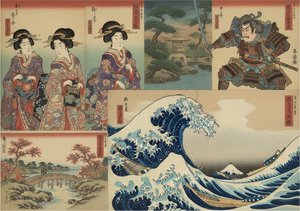
浮世绘:江户时代风俗画的艺术魅力与日本文化的持久影响
深入探索江户时代浮世绘的艺术魅力!了解木版画技艺、大师作品,及其对西方印象派的影响。OriginalUniqueArt为您提供专业的艺术解读与高清复刻服务。

Floating Worlds: A Definitive Guide to the Mastery and Philosophy of Japanese Ukiyo-e Woodblock Prints
Explore the profound beauty of Ukiyo-e. Discover the history, philosophy, and legendary masters of Japanese woodblock prints, from Hokusai to Kuniyoshi, in this expert guide to the 'Floating World'.

葛饰北斋:25幅传世名作,浮世绘大师的艺术传奇 (Katsushika Hokusai: 25 Masterpieces, The Art Legacy of the Ukiyo-e Master)
探索葛饰北斋的25幅传世名作!深入了解浮世绘大师的艺术传奇,感受《神奈川冲浪波》等经典作品背后的故事与魅力。OriginalUniqueArt.com提供博物馆级高质量复制品,为您的家居带来日本风情和艺术灵感。立即探索完整系列!
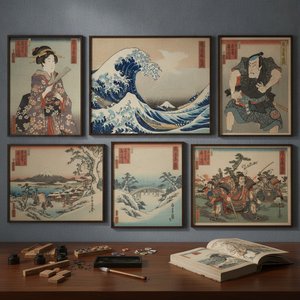
Ukiyo-e: The Art of the Floating World and the Legacy of Japanese Woodblock Masters
Explore the profound history of Ukiyo-e, from Hokusai's iconic waves to the vibrant culture of Edo Japan. Discover the intricate craft of woodblock printing and the enduring legacy of these Japanese masterpieces through our expert art history guide.
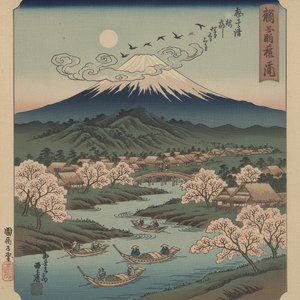
Ukiyo-e's Poetic Visionary: Hiroshige Ando & the Transformation of Landscape in 19th-Century Japan
Explore the life & art of Ando Hiroshige, Japan's last great ukiyo-e master. Discover his iconic landscapes, poetic style, and profound influence on Western Impressionism. Learn about The Fifty-Three Stations & more!