切换至版画销售渠道
 展开全文
展开全文







































 对于任何边长超过 105 厘米(约 41 英寸)的艺术品或复制品,画框将以拆解后的组件形式发货。此方法可确保安全送达并防止运输过程中的损坏。


The Enigmatic Allure of Art Nouveau
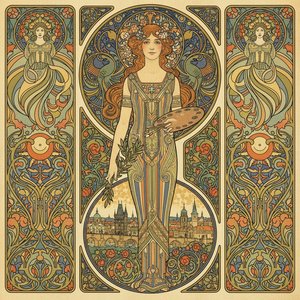
To gaze upon Alphonse Maria Mucha's Salome litho is to step directly into the opulent dreamscape of the late nineteenth century. This piece is not merely an illustration; it is a visual poem rendered in ink and pigment, encapsulating the very spirit of Art Nouveau. The style itself—with its sinuous, whiplash curves and organic embrace of form—was a deliberate rebellion against the rigid structures of academic art. Mucha masterfully channeled this movement's ethos, creating an aesthetic that celebrates nature’s fluidity and the exquisite curve of the human figure. Every flowing strand of hair, every drape of fabric, seems to move with an internal, rhythmic life, drawing the viewer into its mesmerizing current.
Composition and Mystique
At the heart of the composition stands the central figure, Salome, whose presence is both captivating and deeply enigmatic. She is depicted in a state of poised concentration, her upward gaze suggesting communion with something unseen or divine. Her flowing gown seems less like woven material and more like liquid silk caught mid-swirl. The inclusion of the large wheel or spinning top adds an intriguing layer of symbolism—a suggestion of cyclical time, fate, or perhaps the turning nature of earthly desires. Flanking her, the two background figures complete a tableau vivant, grounding the central mystery within a richly populated narrative space. It is this careful orchestration of forms and gazes that gives the artwork its profound sense of mystique.
Historical Echoes and Symbolism
The choice of Salome, a figure steeped in biblical lore, speaks volumes about the cultural currents of Mucha's time. The late nineteenth century saw an intense fascination with mythology, the exotic, and narratives that touched upon profound spiritual or dramatic themes. Mucha did not simply illustrate a story; he imbued it with universal symbolism. The interplay between the earthly beauty of the woman and the weight of her narrative suggests a contemplation on desire, devotion, and the passage from mortal life to mythic legend. For the modern collector, this piece offers a tangible connection to an era when art was deeply intertwined with storytelling and decorative splendor.
Bringing Salon Grandeur Home
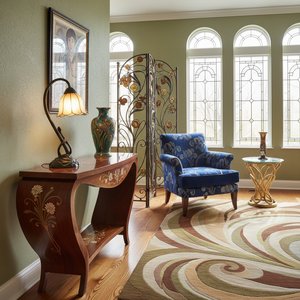
The reproduction of this 1897 lithograph allows contemporary interiors to absorb the grandeur of a bygone artistic epoch. The delicate detail inherent in Mucha's technique—the way light seems to catch on jewelry, or how the background elements blend into the main subject—demands appreciation up close. Whether placed above a mantelpiece or incorporated into a gallery setting, this artwork acts as an immediate focal point, lending an air of sophisticated, bohemian elegance. It is a piece that whispers tales of Parisian salons and Bohemian artistry, transforming any space it graces with enduring beauty and artistic depth.
常见问题与解答
莫奈 (Mò Nèi) 的作品《Salome litho》是否属于公有领域?其原因是什么?
莫奈 (Mò Nèi) 的作品《Salome litho》已进入 属于公有领域 —— 其版权已过期。版权期限自艺术家逝世之日起计算,莫奈 (Mò Nèi) 于 1939 年逝世。
莫奈 (Mò Nèi) 的《Salome litho》 属于哪种艺术流派?
莫奈 (Mò Nèi) 的《Salome litho》 所属的艺术流派为 Art Nouveau。这一分类将该作品置于相关艺术家及艺术作品的语境之中。
"Salome litho" 描绘了怎样的内容,又营造了怎样的氛围?
"Salome litho" 描绘了 art nouveau, salome, mythology, flowing lines, elegance, figurative art, 19th century,并传达出 Mystical 的意境。
 实景预览
实景预览
 分享
分享 分享
分享
 详情
详情 指南
指南

 下载作品
下载作品
 相似作品
相似作品 X射线
X射线 幻灯片播放
幻灯片播放 问答
问答 统计数据
统计数据