

 效果预览
效果预览
 购买印刷品
购买印刷品 分享
分享 分享
分享
 详情
详情

 下载
下载
 相似作品
相似作品 X射线
X射线 幻灯片播放
幻灯片播放Manhood calendar
 Acrylic On Canvas
- WallArt
- Art Nouveau
 1897
1897 22.0 x 30.0 cm
 展开详情
展开详情




P118B $10

P118H $10

P118W $10

P438Z $10

P508JH $12

P508YH $12

P805H $10

P805Z $10

P919BZ $10

P919G $10

P919XJ $10

P959ZH $10

P968JZ $12

W106C $8

W218G $10

W218JH $8

W218Y $10

W307PJ $10

W316G $10

W316PJ $8

W316Y $10

W398PJ $8

W4111J $10

W500HY $15

W500JH $15

W692G $12

W849H $8

W940BG $15

W953PJ $8




从与原作比例一致的预设尺寸中进行选择。

您可以输入自定义尺寸,以适配特定的画框或空间。如果所选尺寸与原图比例不符,我们将通过裁剪作品或添加手绘元素来扩展画面。数字样稿将在制作开始前发送给您确认。
请注意,屏幕预览无法准确反映实际的裁剪或扩展效果,只有样稿才能真实呈现最终的构图。
虽然我们提供定制尺寸服务,但为了保留原作比例,建议您从预设列表中选择尺寸。
下单后,OriginalUniqueArt.com 团队将通过电子邮件联系客户获取具体要求,并提供效果预览图。


 玻璃选项仅适用于110厘米以下的尺寸。

Manhood calendar
复制材质
复制品尺寸
-


最终总价
$ 300
作品详情
A Moment Under Bloom: Alphonse Maria Mucha’s Manhood Calendar
The Art Nouveau movement, with its embrace of organic forms and flowing lines inspired by nature—particularly the blossoming beauty of springtime—provided Alphonse Maria Mucha with a fertile canvas for his artistic vision. Created in 1897, Mucha's “Manhood Calendar” isn’t merely a decorative print; it’s a carefully constructed tableau designed to communicate profound ideas about human connection and the cyclical rhythms of life itself. Examining this iconic artwork reveals layers of symbolism interwoven with masterful technique—a testament to Mucha’s enduring legacy as one of Art Nouveau's foremost practitioners.The Artistic Vision: Embracing Organic Flow
Mucha’s stylistic choices immediately establish the calendar’s mood and intention. Departing from academic conventions, he prioritized expressive lines that mimic the undulating curves of branches laden with fruit—a deliberate reference to the natural world and its regenerative power. The composition is asymmetrical, guiding the viewer's eye across the scene, fostering a sense of movement and dynamism. Color palettes are muted yet harmonious, dominated by greens and browns punctuated by splashes of crimson representing ripeness and vitality. Mucha’s meticulous attention to detail—from the delicate rendering of petals to the subtle shading on the tree trunk—underscores his commitment to capturing the essence of Art Nouveau's aesthetic ideals. He drew inspiration from artists like Pierre-Auguste Renoir, whose Impressionistic brushstrokes sought to convey fleeting moments of beauty and emotion.Symbolism Rooted in Nature’s Cycle
The central figures—a man and a woman seated beneath an apple tree—represent more than just a romantic pairing; they embody the harmonious relationship between humanity and nature. The apples scattered throughout the scene serve as potent symbols of abundance, wisdom, and perhaps even temptation – mirroring the biblical tale of Adam and Eve. Their relaxed posture conveys serenity and contentment, suggesting that true fulfillment lies in embracing simplicity and appreciating the beauty surrounding us. Furthermore, Mucha’s use of Art Nouveau motifs—such as stylized floral patterns—reinforces the overarching theme of organic growth and renewal. These elements aren't simply decorative; they actively contribute to conveying a deeper message about the interconnectedness of all living things.Technique: Precision Meets Impressionistic Sensitivity
Mucha employed a technique that blends meticulous realism with Impressionistic sensitivity. He began by sketching a detailed preparatory drawing, capturing the precise proportions and contours of the tree and figures. Subsequent layers of watercolor and gouache were applied to build up tonal values and create depth—a process that allowed him to achieve both accuracy and expressive color effects. The artist skillfully manipulated light and shadow to heighten the drama of the scene and evoke a palpable atmosphere of tranquility. This careful blending of approaches exemplifies Mucha’s artistic philosophy: striving for technical excellence while simultaneously prioritizing emotional resonance.A Timeless Reflection on Human Connection
“Manhood Calendar” transcends its decorative function, offering viewers a profound meditation on themes of love, harmony, and the enduring beauty of the natural world. Its visual language—characterized by flowing lines, vibrant colors, and evocative symbolism—continues to inspire artists and designers today. More than just an image frozen in time, it embodies Art Nouveau’s belief that art should elevate the human spirit and foster a deeper appreciation for the wonders of existence. Reproductions of this masterpiece allow collectors and enthusiasts alike to experience Mucha's artistic genius firsthand – preserving a moment under bloom for generations to come.艺术家简介
早年生活与教育
- 出生: 1860年7月15日,摩拉维亚伊瓦尼采(今捷克共和国)。
- 从小就展现出艺术天赋。
- 在布拉格美术学院学习,但对传统方法感到不满。
- 1887年移居巴黎,追求自己的风格。
艺术风格与代表作品
- 以独特的装饰艺术风格而闻名,其特点是流畅的线条、有机形态和动感。
- 受到皮埃尔-奥古斯特·雷诺阿和居斯塔夫·莫罗等艺术家的影响。
- 代表作品:
- 斯拉夫起义 - 展示了将传统的捷克图案与现代装饰艺术元素相结合。
- Salon des Cent
- 受居斯塔夫·莫罗的《特斯皮奥之女》和皮耶罗·多拉齐奥的《戈贝林的小恶魔》等作品启发而创作的绘画。
- 根据赫伯特·冯·赫科默爵士的《亚麻破布者》创作的插图。
- 经常描绘身穿飘逸长袍、周围环绕着郁郁葱葱鲜花的理想化女性形象。
职业生涯亮点与主要委托
- 莎拉·伯恩哈特合作: 为女演员莎拉·伯恩哈特创作海报和设计,从为《吉斯蒙达》(1894年)创作的海报开始,这标志着他职业生涯的开端。
- 巴黎世界博览会(1900年): 他的装饰艺术风格在这次展览上获得了国际认可。 他装饰了波斯尼亚和黑塞哥维那展馆并与奥地利展馆合作。
- 查尔斯·理查德·克莱恩赞助: 得到查尔斯·理查德·克莱恩的支持,使他能够创作出史诗般的系列作品《斯拉夫史诗》(1912-30年)。
- 捷克斯洛伐克独立后: 为新独立的捷克斯洛伐克设计邮票、钞票和政府文件。
影响与遗产
- 受到捷克艺术传统和现代欧洲艺术运动的影响。
- 他独特的风格为装饰艺术和分离派运动的后代艺术家铺平了道路。
- 启发了其他艺术家,如埃娃·普罗科波沃娃。
- 他的遗产超越了他的艺术作品,影响了设计和美学。
晚年生活与逝世
- 1906年与玛鲁斯卡(Marie/Maria)奇蒂洛娃结婚。
- 从1906年至1910年访问美国,他们的女儿雅罗斯拉瓦在那里出生。
- 于1939年7月14日去世,享年78岁,逝世地点为捷克斯洛伐克布拉格。

莫奈 (Mò Nèi)
1860 - 1939 , 捷克共和国
艺术家简介
- Artistic Movement Or Style: 新艺术运动
- Artists Or Movements Influenced By This Artist: ['埃娃·普罗科波娃']
- Artists Who Influenced This Artist:
- 雷诺阿
- 古斯塔夫·莫罗
- Date Of Birth: 1860年7月15日
- Date Of Death: 1939年
- Full Name: 阿尔丰斯·玛利亚·穆夏
- Nationality: 捷克人
- Notable Artworks:
- 斯拉夫起义
- Salon des Cent
- Place Of Birth (City And Country): 捷克共和国布尔诺
相关文章
Alphonse Mucha: A Comprehensive Exploration of Art Nouveau's Master of Decorative Symbolism
Explore the life & art of Alphonse Mucha, master of Art Nouveau! Discover his iconic posters, stunning illustrations, and the monumental Slav Epic. A comprehensive guide for collectors & enthusiasts.
The Elegance of Art Nouveau: Embracing Nature's Fluid Beauty and the Belle Époque Spirit
Discover the enchanting world of Art Nouveau. Explore the organic beauty, flowing lines, and Belle Époque elegance that defined an era of unparalleled craftsmanship and natural inspiration.
Timeless Elegance: A Curated Guide to the Flowing Beauty of Art Nouveau Masterpieces
Discover the enchanting world of Art Nouveau. Explore the flowing lines of Alphonse Mucha and learn how to integrate these timeless, organic masterpieces into your collection with expert guidance on fine art appreciation and preservation.
Elegant Art: 10 Masterpieces for a Refined Home |
Indulge in elegance with our Top 10 artworks! Explore masterpieces by Monet, Rembrandt & more. Discover timeless beauty, rich history & inspiring color palettes for your home decor. Find museum-quality art reproductions at .
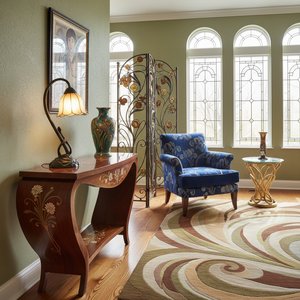
艺术新潮的十个杰作:定义时代的华丽与创新
探索艺术新潮的十个杰作!高更、慕夏、克里姆特等大师作品,揭秘其背后的故事与精湛技艺。从优雅曲线到绚丽色彩,感受现代艺术的魅力。OriginalUniqueArt.com为您提供博物馆品质的艺术品复制和家居装饰灵感。在线探索完整系列!

