

 实景预览
实景预览
 发送
发送 分享
分享
 详情
详情 指南
指南

 下载图片
下载图片
 相似作品
相似作品 X射线
X射线 幻灯片播放
幻灯片播放 统计数据
统计数据General interrogating a mobile guard, supporting an injured lieutenant


 阅读全文
阅读全文
艺术微喷/版画
博物馆级艺术微喷或帆布版画,制作高效,并提供多种饰面选择。 ( 订购此收藏品的纯手工复刻画作 切换至数字图像销售渠道)




P118B ¥10

P118H ¥10

P118W ¥10

P438Z ¥10

P508JH ¥12

P508YH ¥12

P805H ¥10

P805Z ¥10

P919BZ ¥10

P919G ¥10

P919XJ ¥10

P959ZH ¥10

P968JZ ¥12

W106C ¥8

W218G ¥10

W218JH ¥8

W218Y ¥10

W307PJ ¥10

W316G ¥10

W316PJ ¥8

W316Y ¥10

W398PJ ¥8

W4111J ¥10

W500HY ¥15

W500JH ¥15

W692G ¥12

W849H ¥8

W940BG ¥15

W953PJ ¥8




您可以从与原作比例一致的预设尺寸中进行选择。

请输入您所需的宽度和高度,以适配您的画框或墙面。由于印刷品只能进行裁剪,无法超出原图尺寸,因此若比例不一致,画面的一部分将会被裁切。在正式印刷之前,我们会为您发送一份数字效果图供您确认。本页面显示的图片并非最终裁剪后的效果——只有效果图才能展示真实的裁剪情况。


 玻璃选项仅适用于110厘米以下的尺寸。

General interrogating a mobile guard, supporting an injured lieutenant
艺术微喷/版画
复刻品尺寸说明
-


总计金额
¥ 538
A Frozen Moment of Command: Alphonse de Neuville’s “General Interrogating a Mobile Guard Supporting an Injured Lieutenant”
Alphonse de Neuville's "General Interrogating a Mobile Guard Supporting an Injured Lieutenant," painted in 1879, is more than just a depiction of a military scene; it’s a meticulously crafted tableau of tension, duty, and the lingering weight of conflict. The painting transports us to a bleak, snow-swept landscape – likely inspired by the aftermath of the Franco-Prussian War – where a seasoned general, radiating authority, engages in a serious conversation with a young lieutenant bearing the visible wounds of battle. The scene isn’t one of triumphant victory, but rather a quiet assessment amidst the ruins of war, a moment suspended between interrogation and judgment.
De Neuville's artistic lineage is deeply rooted in the Romantic tradition, particularly influenced by Eugène Delacroix’s dramatic use of color and composition. This influence manifests powerfully here through the carefully orchestrated arrangement of figures against the stark backdrop. The triangular structure, anchored by the central interaction between the general and the lieutenant, draws the viewer’s eye directly to this pivotal exchange. The horses, rendered with a remarkable sense of realism – their coats gleaming faintly beneath the overcast sky – contribute significantly to the painting's dynamic energy, suggesting movement and urgency even within the stillness of the scene.
A Palette of Winter: Color, Light, and Atmosphere
The color palette is deliberately restrained, dominated by a muted range of grays, whites, and browns that perfectly capture the harshness and desolation of the winter landscape. Subtle hints of warmer tones – in the uniforms of the officers and the horse coats – provide a delicate contrast, preventing the scene from becoming entirely bleak. De Neuville masterfully employs atmospheric perspective; distant figures are rendered with increasing softness and detail loss, creating an illusion of depth that anchors the viewer within this frozen world. The diffused lighting, characteristic of overcast days, casts a soft, even illumination across the canvas, eliminating strong shadows and contributing to the painting’s somber mood.
The Language of Line and Texture
De Neuville's technique is firmly rooted in academic painting, evident in his skillful rendering of form and detail. Visible brushstrokes – particularly prominent in the depiction of the snow-covered ground and the textures of clothing – add a tactile quality to the work, inviting the viewer to almost feel the cold wind and rough fabric. Lines are used strategically to define shapes and create a sense of realism, while also subtly conveying the tension within the scene. The musculature of the horses is particularly well-defined, adding to their powerful presence. The artist’s attention to detail extends to the subtle nuances of facial expressions – the general's stern gaze, the lieutenant’s wounded composure – revealing a profound understanding of human psychology.
Symbolism and Emotional Resonance
Beyond its realistic depiction of military life, “General Interrogating a Mobile Guard Supporting an Injured Lieutenant” is rich in symbolic meaning. The injured lieutenant represents sacrifice and loss—a tangible reminder of the brutal cost of war. The general’s questioning posture suggests responsibility, authority, and perhaps even regret. The scene evokes feelings of uncertainty, duty, and the lingering trauma of conflict. It's a poignant meditation on leadership, accountability, and the enduring consequences of violence. The painting doesn’t offer easy answers or heroic narratives; instead, it presents a complex and emotionally resonant portrait of a moment caught between action and reflection.
A Legacy in Oil: Materials and Historical Context
Created using traditional oil paints on canvas, this artwork stands as a testament to de Neuville's mastery of his medium. The choice of oil paint allowed for layering and blending, contributing to the painting’s rich textures and nuanced color palette. Painted during the late 19th century, it reflects the artistic and political climate of France following the Franco-Prussian War – a period marked by nationalistic fervor and a desire to commemorate military achievements. De Neuville's work served as both a historical record and a powerful expression of patriotic sentiment. The painting’s acquisition by the Musée de l’Armée in Paris underscores its significance within French art history.
问答详情
在哪里可以找到与 阿尔丰斯·德·纽维尔 的《General interrogating a mobile guard, supporting an injured lieutenant》 风格相似的艺术品?
与 阿尔丰斯·德·纽维尔 的《General interrogating a mobile guard, supporting an injured lieutenant》 相似的作品已汇集在作品的 相似作品 页面中。
阿尔丰斯·德·纽维尔 的《General interrogating a mobile guard, supporting an injured lieutenant》 的色彩饱和度如何?
"General interrogating a mobile guard, supporting an injured lieutenant" 的色调饱和度为 Muted。
阿尔丰斯·德·纽维尔 的《General interrogating a mobile guard, supporting an injured lieutenant》 是油画、素描还是版画?
阿尔丰斯·德·纽维尔 的《General interrogating a mobile guard, supporting an injured lieutenant》 被归类为 WallArt。该类别描述了原作的艺术形式。
艺术家简介
阿尔丰斯·德·纽维尔:冲突年代的绘画大师
阿尔丰斯-玛丽-阿道夫·德·纽维尔,一位与19世纪法国戏剧性和爱国热情紧密相连的名字,于1835年出生在圣奥梅尔。他短暂的一生,虽然只活了四十九岁,却展开在一个充满巨大历史变革的时代背景下——一个标志着帝国雄心、毁灭性战争和新兴民族认同感的时期。起初对海军事业感兴趣,但德·纽维尔的艺术倾向过于强烈,无法忽视,这促使他远离海洋,走向巴黎的工作室。他最初在既定的学术体系中寻求指导,曾在洛里昂短暂地进入海军学校学习,最终在弗朗索瓦-爱德华·皮科的悉心指导下进行正规训练。然而,真正塑造德·纽维尔艺术视野的是欧仁·德拉克洛瓦的影响,这位浪漫主义大师以其充满活力、动态构图和强烈情感而闻名。这种导师关系在他心中灌输了一种对戏剧性叙事的激情以及将历史事件转化为画布上引人入胜力量的敏锐理解。通过战争与插画铸造声誉
德·纽维尔很快确立了自己作为一位深入参与定义他那个时代冲突的画家。他不只是描绘战争,而是沉浸在战争的现实中,从个人经历——包括克里米亚战争期间的服役——中汲取灵感,为他的作品增添真实性。这种对现实主义的承诺,加上捕捉战争代价的能力,推动了他走向卓越。早期的成功包括对克里米亚战争战役的描绘以及说明加里波第在意大利战役中的事件的场景。然而,正是通过他与儒勒·凡尔纳的合作,德·纽维尔获得了更广泛的认可。他对《海底两万里》的插画为凡尔纳的奇幻水下世界带来了视觉活力,吸引了读者并巩固了德·纽维尔作为一位多才多艺艺术家的声誉,他既能准确地描绘历史事件,又能富有想象力地进行叙事。这些插图不仅仅是对文本的补充;它们是塑造公众对凡尔纳开创性小说的认知的不可或缺的一部分。军事叙事的宗师:主要作品与艺术风格
德·纽维尔的艺术力量在于他将历史事件转化为情感共鸣叙事的能力。他的画作不仅仅是战役的记录;它们是精心构建的戏剧,充满了引人入胜的人物和一种切实的紧迫感。《轻骑兵突击》(1860年),是对灾难性的克里米亚战争骑兵突击的动人描绘,完美地体现了这种方法。这幅画作并没有美化战争,而是传达了士兵们在枪林弹雨中勇敢和徒劳无功。同样,《帕尔马马霍尔的防御》(1875年),描述了祖鲁战争中的一场可怕事件,展示了德·纽维尔对戏剧性构图的掌握以及捕捉近距离战斗强度能力。他的风格以一丝不苟的细节、制服和武器的逼真描绘以及巧妙地运用光影来营造氛围和增强情感冲击力为特征。他对宏大的寓言或理想化的英雄不感兴趣;相反,他专注于士兵的个人经历——他们的勇气、恐惧和苦难。遗产与持久魅力
阿尔丰斯·德·纽维尔的英年早逝夺走了艺术界一位重要的天才。然而,他的遗产通过今天继续吸引观众的众多画作得以延续。他的作品被收藏在圣彼得堡冬宫和纽约大都会博物馆等著名机构中,证明了它们的艺术价值和历史意义。除了这些机构收藏之外,德·纽维尔的艺术还享有广泛的普及吸引力,这归功于对19世纪军事历史的新兴趣以及对过去冲突的真实描绘的渴望。今天,高质量的复制品——通过像OriginalUniqueArt这样的平台提供——让艺术爱好者能够将德·纽维尔杰作的戏剧性和历史深度带入他们自己的家中。《他的画作不仅是艺术成就,也是对战争代价和那些为之奋斗的人们持久精神的有力提醒。》影响与艺术发展
- 欧仁·德拉克洛瓦: 对德·纽维尔风格的最重要影响,赋予了他戏剧性、情感强度和动态构图的感觉。
- 弗朗索瓦-爱德华·皮科: 提供了早期的训练和学术绘画技巧的基础技能。
- 个人经历: 他在普法战争期间的服役直接影响了他对军事生活和战斗的逼真描绘。
- 儒勒·凡尔纳的文学作品: 与《海底两万里》合作拓宽了他的艺术范围,并让他接触到更广泛的观众。
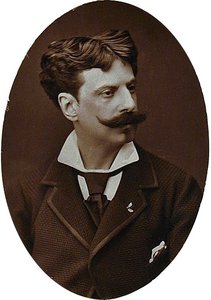
阿尔丰斯·德·纽维尔
1835 - 1885
快速概览
- Artistic Movement Or Style: 学院派艺术
- Artists Who Influenced This Artist:
- 欧仁·德拉克洛瓦
- 弗朗索瓦-爱德华·皮科
- Date Of Birth: 1835年
- Date Of Death: 1885年
- Full Name: 阿尔丰斯·马里-阿道夫·德·诺维尔
- Nationality: 法国国籍
- Notable Artworks:
- “轻骑兵突击”
- “帕尔马马略尔的防御”
- Place Of Birth (City And Country): 法国圣奥梅尔市
相关文章
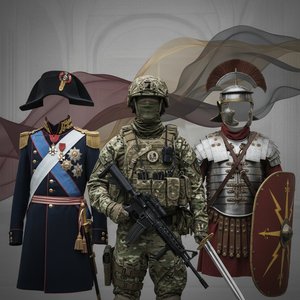
Beyond the Fabric: Decoding Identity, Authority, and Symbolism in the Art of Military Uniforms
Explore the profound symbolism of military uniforms in art history. From Victorian portraits to realistic lithographs, discover how artists capture power, identity, and historical legacy through the intricate details of martial regalia and command.

戈雅大师25幅杰作:西班牙灵魂的艺术之旅| OriginalUniqueArt
探索戈雅大师的25幅杰作!深入了解西班牙绘画巨匠Francisco Goya的艺术世界,从洛可可到浪漫主义风格,感受黑加仑时代的情感力量。OriginalUniqueArt.com提供高品质油画复制品和家居装饰灵感。立即在线发现所有名画!

Willem de Kooning: Abstraction, Gesture & the Evolution of Post-War American Painting
Explore the evolution of Willem de Kooning's iconic Abstract Expressionist paintings. Discover his signature style, key themes & investment potential with expert insights for discerning art collectors.

About Us
Discover our story! We bring world-class art into your life through expert curation, personalized creations, and free previews. Trusted by individuals and businesses since 2000.

William Owen: A Poetic Vision of War & Landscape in British Modernism
Explore the poignant war poetry of Wilfred Owen, a key figure in British Modernism. Discover his innovative style, themes of loss & camaraderie, and lasting impact on 20th-century literature. Analysis & historical context included.