

 效果预览
效果预览
 购买印刷品
购买印刷品 分享
分享 分享
分享
 详情
详情

 下载
下载
 相似作品
相似作品 X射线
X射线 幻灯片播放
幻灯片播放George III (1738–1820)
 Oil On Canvas
- WallArt
- Neoclassicism
 214.0 x 150.0 cm
 切尔西皇家医院
 展开详情
展开详情




P118B $10

P118H $10

P118W $10

P438Z $10

P508JH $12

P508YH $12

P805H $10

P805Z $10

P919BZ $10

P919G $10

P919XJ $10

P959ZH $10

P968JZ $12

W106C $8

W218G $10

W218JH $8

W218Y $10

W307PJ $10

W316G $10

W316PJ $8

W316Y $10

W398PJ $8

W4111J $10

W500HY $15

W500JH $15

W692G $12

W849H $8

W940BG $15

W953PJ $8




从与原作比例一致的预设尺寸中进行选择。

您可以输入自定义尺寸,以适配特定的画框或空间。如果所选尺寸与原图比例不符,我们将通过裁剪作品或添加手绘元素来扩展画面。数字样稿将在制作开始前发送给您确认。
请注意,屏幕预览无法准确反映实际的裁剪或扩展效果,只有样稿才能真实呈现最终的构图。
虽然我们提供定制尺寸服务,但为了保留原作比例,建议您从预设列表中选择尺寸。
下单后,OriginalUniqueArt.com 团队将通过电子邮件联系客户获取具体要求,并提供效果预览图。


 玻璃选项仅适用于110厘米以下的尺寸。

George III (1738–1820)
复制材质
复制品尺寸
-


最终总价
$ 300
作品详情
A Regal Portrait: Allan Ramsay’s George III
Allan Ramsay's portrait of King George III, completed around 1761-2, is more than just a likeness; it’s a carefully constructed embodiment of power, authority, and the nascent complexities of the British monarchy. This masterful work, rendered in oil on canvas, transcends mere representation to become a window into the era's political climate and artistic sensibilities – specifically, the rise of Neoclassicism within portraiture. The painting immediately commands attention with its dramatic lighting, a key element that draws the viewer’s eye directly to the King’s face, imbuing him with an almost palpable sense of presence.
Ramsay, a leading figure in 18th-century Scottish art, expertly employs linear perspective to create a sense of depth and spatial arrangement. The throne, rendered as a robust square, anchors the composition while the draped fabric behind George III flows into a dark, indistinct background – a deliberate choice that serves to highlight the subject’s importance and elevate his status. The use of geometric shapes—squares for the throne, rectangles for the robes—contrasts with the more organic curves of the King's face, suggesting a balance between rigid formality and human warmth.
A Study in Neoclassical Detail
Examining the brushwork reveals Ramsay’s meticulous technique. Layered glazes build up color depth and luminosity, particularly noticeable in the rich textures of the royal robes – a testament to his ability to capture the sheen of velvet and the weight of heavy fabrics. The artist skillfully renders skin tones with subtle variations, avoiding overly smooth surfaces; instead, he introduces a slight roughness that lends a sense of realism and immediacy. The careful attention to detail extends to the rendering of the King’s attire: the intricate embroidery, the gleaming gold accents, and the precise folds of his garments all speak to the immense wealth and power associated with the monarchy.
The painting's palette is restrained yet sophisticated, dominated by deep reds, blues, and browns – colors traditionally linked with royalty and authority. The lighting, originating from a strong left-hand source, casts dramatic shadows that sculpt George III’s features, emphasizing his brow, cheekbones, and the solemnity of his expression. This chiaroscuro effect not only adds visual interest but also contributes to the overall sense of gravitas and dignity.
Symbolism and Historical Context
George III reigned from 1760 until his death in 1820, a period marked by significant political and military upheaval. The portrait itself is deeply symbolic, reflecting the King’s role as head of state during a time of considerable change. The crown, prominently displayed, represents sovereignty and divine right – concepts that were increasingly challenged during George III's reign. The robes, rich in color and ornamentation, symbolize his wealth and status, while the scepter and orb further reinforce his authority.
Ramsay’s work was commissioned during a pivotal moment in British history—the early years of George III’s rule. The King's reign coincided with the Seven Years’ War and the subsequent American Revolution, events that profoundly shaped the course of British history. The portrait, therefore, can be interpreted as an attempt to project an image of stability and strength at a time of considerable uncertainty. It is also important to note that this particular painting was one of many commissioned by the King, reflecting his desire to solidify his position and assert his authority.
A Legacy of Elegance
Allan Ramsay’s portrait of George III stands as a remarkable achievement of Neoclassical portraiture. It is a testament to the artist's technical skill, his understanding of symbolism, and his ability to capture the essence of a historical figure. Reproductions of this iconic image continue to resonate with viewers today, offering a glimpse into the grandeur and complexities of 18th-century Britain. The painting’s enduring appeal lies not only in its aesthetic beauty but also in its ability to evoke a sense of history, power, and timeless elegance.
艺术家简介
艾伦·拉姆齐:优雅与艺术的一生
1713年10月13日,艾伦·拉姆齐出生于苏格兰爱丁堡,他很快成为一位杰出的苏格兰肖像画家,其作品捕捉了那个时代的优雅和精致。他的艺术之旅始于二十岁时,前往伦敦跟随瑞典画家汉斯·希辛学习,随后在圣马丁巷学院接受指导。这段基础训练为他提供了坚实的绘画技巧和构图基础。
意大利的影响与艺术发展
拉姆齐的艺术发展经历了一个重要的转折点,那就是他在罗马和那不勒斯旅行三年(1736-1738年),师从弗朗切斯科·索利梅纳和因佩里亚利 (弗朗切斯科·费尔南迪)。这些意大利大师深刻地影响了他的风格,培养了他对古典原则的理解,并提高了他捕捉人物神态和性格的能力。他吸收了当时流行的洛可可美学,同时也发展出对新古典主义理想的欣赏。
事业蒸蒸日上与代表作品
1738年回到英国后,拉姆齐迅速确立了作为肖像画家的成功地位。他以准确而优雅地描绘人物的能力很快赢得了尊贵的客户群体。他的一些最著名的作品包括:
- 夏洛特王后 (1744-1818) 与她的两个大儿子(伦敦皇家收藏):一幅威严的画像,展现了王后的母性风范。
- 玛丽·德格,罗伯特·曼纳斯夫人(爱丁堡苏格兰国家画廊):一幅优雅的肖像,展示了拉姆齐捕捉贵族美的技巧。
- 卡莱登的邓肯·福布斯的头部画像:这项早期作品引起了阿盖尔公爵的注意,后来被印在苏格兰皇家银行的钞票上。
获得王室任命与事业巅峰
1761年,拉姆齐被任命为乔治三世国王的首席宫廷画家,这对他职业生涯来说是一个关键时刻。这一声望极高的职位巩固了他作为艺术精英的地位,并确保了来自皇室和上层社会稳定的委托订单。他成为了格鲁吉亚时代*的*肖像画家。
晚年生活与历史意义
拉姆齐晚年的生活转向文学追求,反映了他的广泛智力兴趣。然而,个人悲剧——右臂意外脱臼和第二任妻子于1782年去世——影响了他的健康和生产力。他于1784年去世。
尽管面临这些挑战,拉姆齐仍然留下了作为苏格兰最著名的肖像画家之一的持久遗产。正如塞缪尔·约翰逊所说:“我喜欢拉姆齐。你找不到一个谈话中更有教益、信息量更多、更优雅的人。”他的作品继续受到赞赏,因为它们具有精湛的绘画技巧、精致的美学和对18世纪社会深刻的描绘。
历史意义
艾伦·拉姆齐的贡献超越了他的艺术才华。他在苏格兰社会发生重大变化时期,在塑造苏格兰的视觉文化方面发挥了关键作用。他的肖像画为了解苏格兰贵族和绅士的生活、时尚和价值观提供了宝贵的见解。 他的作品可以在例如艾尔镇厅和苏格兰国家肖像画廊等场所找到。
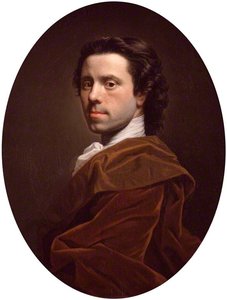
艾伦·拉姆齐
1713 - 1784 , 英国
艺术家简介
- 代表作品:
- 夏洛特王后与两个儿子
- 玛丽·德格夫人
- 卡莱登的邓肯·福布斯
- 全名: 艾伦·拉姆齐
- 出生地: 英国,爱丁堡
- 出生日期: 1713年10月13日
- 国籍: 苏格兰
- 影响者:
- 汉斯·希辛
- 弗朗切斯科·索利梅纳
- Imperial (Francesco Fernandi)
- 艺术运动或风格: 洛可可, 新古典主义
- 逝世日期: 1784年
相关文章

乔治·布拉克:25幅大师杰作,重塑现代艺术与家居美学 | OriginalUniqueArt
探索乔治·布拉克25幅大师杰作,领略立体主义的魅力与现代艺术的精髓。从早期作品到经典油画,OriginalUniqueArt为您呈现法式优雅与家居装饰灵感。高清艺术复制品,点亮您的空间!立即在OriginalUniqueArt.com发现更多。

乔治·修拉25幅杰作:点彩主义大师的艺术之旅 | OriginalUniqueArt
探索乔治·修拉25幅传世杰作!深入了解点彩画法、后印象派的艺术魅力,感受光与色彩的奇妙。OriginalUniqueArt.com提供高品质修拉作品复制品,为您的家居空间增添经典艺术气息。立即在线探索完整系列!

Allen Ramsay: Portraiture, Patronage & Shaping Georgian Identity
Explore the life & work of Allen Ramsay, pivotal portraitist to George III. Discover his Rococo style, influence on Georgian society, and lasting legacy in British art history. Learn about his key works & patronage.

Neoclassical Portraiture: The Timeless Elegance of Order, Grace, and Academic Mastery
Explore the refined world of Neoclassical portraiture. Discover the mastery of line, light, and order through an expert exploration of academic art history, from Jacques-Louis David to Jean-Antoine Houdon. Immerse yourself in the timeless elegance of classical realism.

Majesty on Canvas: A Definitive Guide to Iconic Royal Portraits Through Art History
Explore the profound history of royal portraiture. From Baroque grandeur to Victorian elegance, discover how master artists captured power and lineage on canvas through the timeless medium of oil painting.

