

 实景预览
实景预览
 发送
发送 分享
分享
 详情
详情 指南
指南

 下载图片
下载图片
 相似作品
相似作品 X射线
X射线 幻灯片播放
幻灯片播放 统计数据
统计数据Map of the railways in operation, under construction and in the works in Spain (1931 edition)


 阅读全文
阅读全文
艺术微喷/版画
博物馆级艺术微喷或帆布版画,制作高效,并提供多种饰面选择。 ( 订购此收藏品的纯手工复刻画作 切换至数字图像销售渠道)




P118B $10

P118H $10

P118W $10

P438Z $10

P508JH $12

P508YH $12

P805H $10

P805Z $10

P919BZ $10

P919G $10

P919XJ $10

P959ZH $10

P968JZ $12

W106C $8

W218G $10

W218JH $8

W218Y $10

W307PJ $10

W316G $10

W316PJ $8

W316Y $10

W398PJ $8

W4111J $10

W500HY $15

W500JH $15

W692G $12

W849H $8

W940BG $15

W953PJ $8




您可以从与原作比例一致的预设尺寸中进行选择。

您可以输入自定义尺寸,以适配特定的画框或空间。如果您选择的尺寸与原图比例不符,我们将对作品进行裁剪,或通过镜像填充/纯色填充边缘的方式来扩展图像。在开始制作之前,我们会向您发送一份数字效果图供您确认。
请注意,屏幕上的预览并不能反映实际的裁剪或扩展效果。只有效果图才能准确展示最终的构图。
虽然我们提供定制尺寸,但为了保持原图比例,我们建议您从预设列表中选择尺寸。


 玻璃选项仅适用于110厘米以下的尺寸。

Map of the railways in operation, under construction and in the works in Spain (1931 edition)
艺术微喷/版画
复刻品尺寸说明
-


总计金额
$ 80
A Cartographic Vision of a Nation in Motion
In the delicate intersection of engineering precision and artistic expression lies the 1931 masterpiece by Alfredo Forcano Catalán, a work that transcends mere documentation to become a soulful portrait of a nation’s pulse. This exquisite map of the Spanish railway system serves as more than a navigational tool; it is a vibrant tapestry of progress, capturing a pivotal moment in history when the iron veins of Spain were being woven into the very fabric of its landscape. Through his meticulous hand, Forcano Catalng creates a visual narrative where the static geography of the Iberian Peninsula meets the dynamic energy of industrial expansion, offering a window into an era defined by movement and the promise of connectivity.
The artistry of this piece lies in its ability to blend the rigorous accuracy required of a cartographer with the evocative charm of a painter. Each line representing an operational track, a construction site, or a planned route is rendered with a clarity that invites the eye to wander across the diverse terrains of Spain and Portugal. The composition is enriched by subtle details—small figures scattered across the map that breathe life into the technical data, suggesting the human element behind the monumental task of nation-building. For the discerning collector, this work offers a sophisticated blend of historical depth and aesthetic grace, making it a profound centerpiece for any curated collection.
The Elegance of Technical Mastery
Technically, the 1931 edition stands as a testament to the era's mastery of graphic design and cartographic illustration. The palette is chosen with an eye for clarity and distinction, allowing the viewer to differentiate between the established routes and the burgeoning networks under construction. There is a rhythmic quality to the way the railway lines traverse the mountains and plains, creating a sense of flow that guides the observer through a complex web of information. This balance of intricate detail and legible structure ensures that the map remains visually captivating even upon close inspection, revealing layers of historical significance within its fine strokes.
For interior designers and lovers of classical aesthetics, this reproduction offers an unparalleled opportunity to introduce a sense of intellectual prestige and nostalgic charm into a space. The map’s ability to evoke the spirit of early 20th-century exploration makes it an ideal choice for libraries, studies, or grand hallways where conversation and contemplation are encouraged. It is not merely a decoration but a window into a lost world of steam and steel, providing a sophisticated focal point that bridges the gap between historical reverence and contemporary elegance.
A Legacy of Connection and Progress
Beyond its technical brilliance, the work carries a profound emotional weight, symbolizing the collective aspiration of a society striving toward modernization. To gaze upon this map is to witness the blueprint of a dream—the dream of a unified, accessible, and interconnected Spain. The presence of both completed and planned routes serves as a poignant reminder of the tension between what has been achieved and what is yet to come. It captures the optimism of 1931, an era where the expansion of the railways represented the literal and metaphorical tracks toward a brighter, more integrated future.
Owning a high-quality reproduction of Forcano Catalán’s work allows one to preserve this fleeting moment of historical momentum. It is an invitation to celebrate the beauty found in order, the poetry found in progress, and the enduring legacy of those who mapped the paths that shaped our modern world. Whether as a tribute to the history of transport or as a stunning piece of vintage-inspired decor, this map remains a timeless treasure for those who find beauty in the intricate details of human achievement.
艺术家简介
莫里茨·科内利斯·埃舍尔:不可能世界的建筑师
1898年出生于荷兰列文,莫里茨·科内利斯·埃舍尔是一位图形艺术家,他那严谨且充满数学驱动力的创作至今仍令全世界的观众为之着迷。在他生命的大部分时间里,他在主流艺术界并未获得广泛认可,只是一个默默无闻的观察者,细致地记录着我们感知中隐藏的几何结构。直到20世纪后期,他那独特的视觉语言——一种融合了错综复杂的细节、不可能的构造以及深邃哲学内涵的风格——才真正获得了世界的瞩目,从而奠定了他在20世纪最具影响力艺术家之一的地位。
埃舍尔的早年生活并未显露出他日后将要开创的那种非凡事业。起初,他在哈勒姆美术学院学习建筑,但很快便意识到自己的热情在于素描与版画。他的父亲是一位裁缝,敏锐地察觉到了这种需要悉心培养的天赋,并鼓励了他的艺术倾向。这种最初对观察与再现的专注,逐渐演变为对数学原理及其在视觉艺术中应用的深度探索。他尤其痴迷于自然界中的纹理——地衣、昆虫、风景——在将它们转化为纸上作品之前,他会极其细致地研究它们的形态与对称性。
他在意大利和西班牙旅行的经历成为了其艺术生涯的关键转折点。他曾花费大量时间描绘格拉纳达阿尔罕布拉宫和科尔多瓦大清真寺建筑奇迹的素描,惊叹于支撑这些建筑之美的复杂几何排列与精妙瓷砖图案。这些经历点燃了他对“镶嵌艺术”的热爱——即用重复的形状覆盖表面且不留缝隙或重叠的艺术——这一主题后来成为了他作品的核心。埃舍尔对这些结构的细致观察并非仅仅停留在审美层面;他开始将它们视为数学谜题,试图寻找一种视觉形式来呈现其内在的秩序与复杂性。
不可能构造的发展
埃舍尔最负盛名的作品无疑是他的“不可能构造”,这是一系列挑战我们对空间和透视直觉理解的绘画。诸如《手与反映球》(1935年)和《画手》(1948年)等作品,展示了他对错觉和数学原理的精湛掌控。他并非发明了这些概念,而是巧妙地运用了诸如曲线透视法(一种由皮耶罗·德拉·弗朗切斯卡开发的技法)等技术,在二维平面上创造出深度与三维空间的幻象。他的作品植根于对无穷、递归和自相似性等概念的探索,并经常从乔治·波利亚、罗杰·彭罗斯和唐纳德·科克斯特等数学家的著作中汲取灵感,并与他们保持着充满启发性的智力交流。
他创作的核心在于制作复杂的木刻、石版画和美柔汀。他会先在纸上勾勒设计草图,然后极其精确地将其转移到印刷版材上。每一个步骤都需要极高的精准度与控制力,这反映了埃舍尔对细节永不妥协的追求。他的创作不仅仅是为了生产美丽的图像,更是一场关于智力严谨性的刻意练习,不断推向视觉表现力的边界,挑战着我们对现实的认知。
主要作品与反复出现的主题
在埃舍尔最具标志性的创作中,包括《相对论》(1953年),它描绘了两个视角的楼梯,看起来在相反的方向上无限循环;《瀑布》(1961年),展示了一个违背重力向上流动的瀑布;以及《上升与下降》(1962年),通过一组看似无尽的阶梯阐释了无穷的概念。这些作品连同他众多的镶嵌画和对对称性的探索,充分证明了他对基本数学概念的痴迷。
埃舍尔作品中反复出现的主题包括对无穷的探索、递归(即模式在自身内部的重复)以及秩序与混沌之间的相互作用。他频繁使用视觉隐喻来表现抽象思想,利用看似简单的图像来传达复杂的哲学概念。他对人体,尤其是手部和人物形象的痴迷,为这些探索提供了具象的锚点,使他能够以一种视觉上易于理解的方式,将错综复杂的数学关系可视化并传递出来。
遗产与历史意义
尽管早期籍籍无名,但随着20世纪后期大众对数学和谜题兴趣的激增,埃舍尔的作品获得了越来越多的认可。他的艺术作品已在全球范围内展出,激励着艺术家、数学家和科学家。埃舍尔的遗产早已超越了纯艺术领域;他的工作影响了从建筑学到计算机图形学的诸多领域,证明了视觉表现力在传达复杂思想方面具有持久的力量。
时至今日,莫里茨·科内利斯·埃舍尔被誉为一位将数学与艺术完美融合的远见艺术家。他那对细节的极致关注,结合对几何原理的深刻理解,造就了一系列至今仍在挑战我们现实感知、并邀请我们去沉思看似混乱的世界背后隐藏秩序的作品。他的传奇是观察力、想象力与求知欲力量的永恒见证。

阿尔弗雷多·福尔卡诺·卡塔兰
1898 - 1984 , 荷兰
快速概览
- Artistic Movement Or Style: 图形艺术, 版画
- Artists Or Movements Influenced By This Artist:
- 雷内·马格里特
- 马丁·加德纳
- Artists Who Influenced This Artist:
- 乔治·阿诺德·埃舍尔
- 罗杰·彭罗斯
- Date Of Birth: 1898年6月17日
- Date Of Death: 1972年3月27日
- Full Name: 莫里茨·科内利斯·埃舍尔
- Nationality: 荷兰
- Notable Artworks:
- 手与反映球
- 画手
- 相对性
- 瀑布
- 上升与下降
- Place Of Birth: 荷兰,列文
相关文章

Manuel Benedito Vives: A Study of Light, Color & Emotional Resonance in Contemporary Spanish Painting
Explore the captivating world of Manuel Benedito Vives, a celebrated Spanish painter influenced by Sorolla. Discover his masterful portraits, luminous landscapes & enduring legacy – a favorite of the Spanish Royal Family. Art collectors will appreciate this in-depth study.
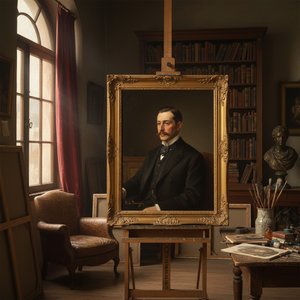
Rafael de Penagos: A Study in Spanish Portraiture & Artistic Identity
Explore the life & art of Rafael de Penagos, a leading Spanish Art Deco illustrator. Discover his iconic 'Penagos Woman', commercial work, and lasting legacy. Learn about this pivotal figure in 20th-century Spanish art history.
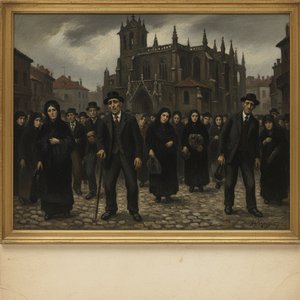
José Gutiérrez Solana: A Chronicle of Spanish Society Through Expressionist Vision
Explore the captivating world of José Gutiérrez Solana, a pivotal Spanish Expressionist painter. Discover his haunting depictions of early 20th-century Spain, influenced by Goya & El Greco. Learn about his key works and lasting legacy.

西班牙巴洛克艺术:信仰、戏剧与黄金时代的重塑
深入探索西班牙巴洛克艺术的辉煌时代!从反宗教改革到鲁本斯、维米尔等大师的作品,解读信仰、戏剧与黄金时代的重塑。OriginalUniqueArt.com提供精美油画复制和专业艺术咨询。

Mastering the Shadows: A Journey Through the Chiaroscuro and Soul of Iconic Spanish Painting
Embark on a sophisticated exploration of Spanish art history, from the chiaroscuro mastery of Velázquez to the profound shadows of Goya. Discover how the dramatic light and emotional depth of Spain's greatest masters continue to inspire collectors and connoisseurs today.