

 实景预览
实景预览
 发送
发送 分享
分享
 详情
详情 指南
指南

 下载图片
下载图片
 相似作品
相似作品 X射线
X射线 幻灯片播放
幻灯片播放 统计数据
统计数据The Monkey Painter
 Acrylic On Canvas
- WallArt
- Orientalist Painting
 1833
1833 32.0 x 40.0 cm
 卢浮宫
卢浮宫
 阅读全文
阅读全文
艺术微喷/版画
博物馆级艺术微喷或帆布版画,制作高效,并提供多种饰面选择。 ( 订购此收藏品的纯手工复刻画作 切换至数字图像销售渠道)




P118B ¥10

P118H ¥10

P118W ¥10

P438Z ¥10

P508JH ¥12

P508YH ¥12

P805H ¥10

P805Z ¥10

P919BZ ¥10

P919G ¥10

P919XJ ¥10

P959ZH ¥10

P968JZ ¥12

W106C ¥8

W218G ¥10

W218JH ¥8

W218Y ¥10

W307PJ ¥10

W316G ¥10

W316PJ ¥8

W316Y ¥10

W398PJ ¥8

W4111J ¥10

W500HY ¥15

W500JH ¥15

W692G ¥12

W849H ¥8

W940BG ¥15

W953PJ ¥8




您可以从与原作比例一致的预设尺寸中进行选择。

请输入您所需的宽度和高度,以适配您的画框或墙面。由于印刷品只能进行裁剪,无法超出原图尺寸,因此若比例不一致,画面的一部分将会被裁切。在正式印刷之前,我们会为您发送一份数字效果图供您确认。本页面显示的图片并非最终裁剪后的效果——只有效果图才能展示真实的裁剪情况。


 玻璃选项仅适用于110厘米以下的尺寸。

The Monkey Painter
艺术微喷/版画
复刻品尺寸说明
-


总计金额
¥ 538
A Glimpse into the Exotic: The Enigmatic World of “The Monkey Painter”
Alexandre Gabriel Decamps’s “The Monkey Painter,” completed around 1833, isn't merely a charming portrait; it’s a captivating window into the burgeoning world of Orientalism and a testament to Decamps’s unique artistic vision. This intimate scene, housed within the Louvre Museum in Paris, immediately draws the viewer into a richly detailed workshop, brimming with an almost palpable sense of creative energy. The subject himself – a monkey artist meticulously engaged in his craft – is instantly arresting, yet it's the painting’s subtle complexities and evocative atmosphere that truly linger in the mind.
Decamps, a pivotal figure in 19th-century French art, carved out a distinctive niche for himself by rejecting the rigid conventions of academic painting. He wasn’t interested in simply depicting exotic locales; he sought to capture the *essence* of Eastern life – its rhythms, its textures, and its inherent humor. “The Monkey Painter” exemplifies this approach perfectly. The monkey, rendered with remarkable detail and a touch of mischievous charm, isn't just an animal subject; he embodies a spirit of playful experimentation and artistic independence.
A Symphony of Color and Technique
Executed in oil on canvas, the painting showcases Decamps’s masterful command of color and texture. Thick impasto strokes build up layers of pigment, creating a tactile surface that invites close inspection. The palette is dominated by warm earth tones – ochres, siennas, and umbers – punctuated by vibrant splashes of turquoise and crimson, particularly in the details of the tools and objects scattered across the workbench. Decamps’s technique isn't about photographic realism; it’s about conveying atmosphere and emotion through carefully chosen hues and expressive brushwork.
Notice how he utilizes light to create depth and drama. The single source of illumination, presumably from a window behind the monkey, casts long shadows across the scene, highlighting the textures of the canvas and adding a sense of mystery. The artist’s deliberate use of chiaroscuro – the contrast between light and dark – is particularly effective in emphasizing the monkey's focused expression and the intricate details of his work.
Symbolism and Context: The Dawn of Orientalist Vision
“The Monkey Painter” transcends a simple portrait; it’s deeply rooted within the context of Decamps’s pioneering role as a founder of Orientalism. During this period, European artists were increasingly fascinated by the East – its cultures, its landscapes, and its people. However, Decamps wasn't content with merely documenting these exotic locales. He sought to understand them on their own terms, capturing the everyday lives and customs of Eastern societies with a degree of empathy and insight.
The monkey itself is laden with symbolic weight. In many cultures, monkeys are associated with intelligence, creativity, and even trickery. Decamps’s choice of subject suggests a celebration of artistic ingenuity and a playful critique of the established art world – a subtle nod to his own struggles against academic constraints. The presence of the two vases and the bowl adds to this sense of domesticity and quiet contemplation, suggesting a space dedicated to creative pursuits.
A Timeless Masterpiece: Reproduction and Beyond
Reproductions of “The Monkey Painter” offer an exceptional opportunity to bring this captivating artwork into your home or office. OriginalUniqueArt’s hand-painted reproductions faithfully capture the original's rich colors, intricate details, and evocative atmosphere. Whether you appreciate Decamps’s artistic genius or simply admire his ability to create such a compelling scene, this painting remains a timeless masterpiece – a testament to the power of art to transport us to another world.
问答详情
亚历山大·加布里埃尔·德坎普斯 的《The Monkey Painter》 的推荐打印尺寸是多少?
建议为 亚历山大·加布里埃尔·德坎普斯 的《The Monkey Painter》 制作 Medium 的复制品。尺寸可以在保持比例不变的情况下进行调整。
“The Monkey Painter”这一Orientalist Painting背后蕴含着怎样的国族渊源?
《The Monkey Painter》由出生于 法国 的 亚历山大·加布里埃尔·德坎普斯 在 Orientalist Painting 运动背景下创作而成。艺术家的原籍地使这部作品与 法国 艺术家所实践的 Orientalist Painting 风格紧密相连。
亚历山大·加布里埃尔·德坎普斯 的《The Monkey Painter》 的色彩基调是什么?
亚历山大·加布里埃尔·德坎普斯 的《The Monkey Painter》 的色彩特征:Earthy 色调,以 Rosy Brown (#c8a56d) 为主导。
艺术家简介
东方主义愿景的先驱:亚历山大·加布里埃尔·德坎普斯的人生与艺术
亚历山大·加布里埃尔·德坎普斯(Alexandre Gabriel Decamps),这个名字仿佛自带异域风景的绚丽色彩与浪漫主义的戏剧张力,是19世纪法国绘画史上的关键人物。他于1803年3月3日出生于巴黎,其艺术生涯是一场大胆的创新之旅,不断挑战学院派的传统规范,并开辟了一条通往后来被称为“东方主义”的新径。尽管德拉克罗瓦(Delacroix)和安格尔(Ingres)等同时代大师在法国艺术界也占据着显赫地位,但德坎普斯凭借其极具个人色彩的风格脱颖而出——这种风格融合了细致入微的观察、戏剧性的构图以及一种迷人的叙事感,将观众带入既熟悉又全然陌生的世界。他早年作为天才艺术家的崭露头角,预示了他那充满赞誉的职业生涯,并在1855年的巴黎博览会上荣获大奖或委员会奖章,这正是对他卓越技艺与独特视野的最好证明。在画布之外,德坎布斯是一位与自然深度连接的人,他在巴黎郊外的乡间寻找慰藉与灵感,在那里尽情沉浸于对动物和野外运动的热爱——这种情怀也微妙地渗透在他艺术创作的许多作品之中。从圣经史诗到撒哈拉荒漠:艺术风格的演变
德坎普斯的艺术发展以勇于探索多元主题与技法的精神为特征。起初,他被历史和圣经场景所吸引,但他很快通过以前所未有的写实水平来描绘这些叙事而闻名——他不再依赖理想化或程式化的表现手法,而是将故事植根于真实的本土环境之中。这种对逼真性的追求源于他的东方之旅,这段经历深刻影响了他的艺术感官。他不仅仅是在描绘所见之物,更是在传达一种对异域氛围、光影以及这些遥远土地灵魂本质的感知。约瑟夫被兄弟出卖(Joseph Sold by His Brethren)便是一个典型的例子,它并非仅仅是对圣经故事的插图,而是对特定时空的生动刻画,充满了情感深度与心理洞察。这种创作方法也延伸到了他宏大的历史作品中,例如钦米里人的失败(The Defeat of the Cimbri),他在其中大师般地捕捉了战争的混乱与残酷,展现了其驾驭大规模构图时迸发出的动态能量。然而,真正让他与众不同的是他对东方生活的描绘。他以一种令那些习惯于浪漫化或刻板印象评论家的惊叹之态,真实地揭示了集市、学校、家庭室内等日常场景。东方主义之父及其深远影响
德坎普斯被公认为法国绘画中东方主义的奠基人,这一点实至名归。在他之前,对东方的描绘往往通过幻想与异域情调的滤镜进行过滤。而他呈现了一种截然不同的愿景——一种植根于直接观察与纯粹好奇心的愿景。他在1831年沙龙展览中的亮相成为了一个转折点,向巴黎观众展示了北非和中东生活最未经修饰的一面。这种开创性的方法引起了艺术家和作家的共鸣,引发了一股主导了19世纪大部分艺术史的东方主义浪潮。他的风格以大胆的笔触、强烈的明暗对比以及可感知的氛围感为特征,成为了后世无数画家、摄影师和作家的参考标杆。马克西姆·杜·坎普(Maxime du Camp)曾有名地称他为“东方的克里斯托弗·哥伦布”,以此认可他在开辟这一全新艺术领域中所扮演的先驱角色。阿尔巴尼亚舞者(The Albanian Dancer)凭借其鲜艳的色彩和充满活力的构象,完美诠释了他捕捉异域文化精神的同时保持法国审美特质的能力。甚至像猴子鉴赏家(The Monkey Connoisseurs)这样带有讽刺意味的作品——那是对法兰西艺术学院保守评审团的一次戏谑嘲弄——也展示了他挑战既定规范、拥抱独立艺术愿景的勇气。悲剧性的终结与永恒的遗产
遗憾的是,德坎普斯的生命在1860年8月22日戛然而止,年仅57岁,死于枫丹白露附近的一次狩猎事故。他的猝然离世使艺术界失去了一位真正具有创新精神的天才,但他的遗产通过那些迷人的画作及其持久的魅力得以延续。时至今日,诸如意大利村庄的火灾(Incendie d'un village italien)这类杰作,凭借其对冲突的戏剧性描绘和精湛的厚涂技法,以及沙漠中休憩的贝都因人与骆驼(A Bedouin and a Camel Resting in a Desert)所展现的沙漠生活的质感与宁静,依然因其艺术价值和历史意义而备受推崇。他的作品可以在巴黎卢浮宫等顶尖机构中寻得踪迹,确保了他的视觉精神能够持续激励并吸引全球观众。像 OriginalUniqueArt.com 这样的平台在保护和传播他的艺术方面发挥着至关重要的作用,提供高质量的复制品,让仰慕者能够亲身体验德坎普斯绘画中的美感与力量。他的影响力早已超越了绘画领域,塑造了人们对东方的认知,并在19世纪欧洲的文化版图中留下了不可磨灭的印记。探索德坎普斯的世界:代表作品
- CHIENS BRIFAUTS: 一幅迷人的东方主义场景,展现了生机勃勃环境中的犬类。
- LA COUR DE FERME: 一幅迷人的19世纪绘画,将法国浪漫主义与历史细节完美融合。
- L’ÉCOLE TURQUE: 对土耳其学校的生动描绘,捕捉了日常生活的活力与氛围。
- PAYSAGE TURC: 一幅宁静的风景画,在法国式的语境下探索写实主义与浪漫主义。

亚历山大·加布里埃尔·德坎普斯
1803 - 1860 , 法国
快速概览
- Artistic Movement Or Style: 东方主义, 浪漫主义
- Artists Or Movements Influenced By This Artist:
- 德拉克罗瓦
- 泰奥菲尔·戈蒂埃
- Date Of Birth: 1803年3月3日
- Date Of Death: 1860年8月22日
- Full Name: 亚历山大·加布里埃尔·德坎普斯
- Nationality: 法国
- Notable Artworks:
- 辛布里人的失败
- 约瑟夫被兄弟出卖
- 猴子鉴赏家
- 阿尔巴尼亚舞者
- 意大利村庄的火灾
- 休憩的贝都因人与骆驼
- 土耳其风景
- Place Of Birth: 法国巴黎
相关文章
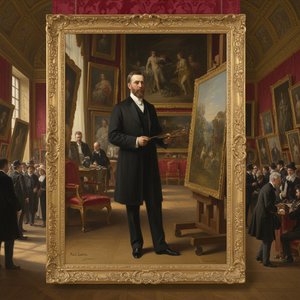
Paul Gabriël: A Study in Belle Époque Academic Painting & Parisian Salon Ambitions
Explore the life & work of Paul Gabriël, a key figure of the Hague School and Belle Époque painting. Discover his journey to Parisian Salon recognition and lasting influence on Dutch landscape art.

异域风情与西方想象:19世纪东方主义绘画的兴起、特征及文化反思
深入解读19世纪东方主义绘画,探索其历史、特征与文化反思。OriginalUniqueArt提供高品质手绘油画复制品及定制服务,助您收藏经典艺术,提升生活品味。

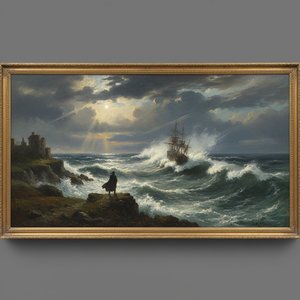
Alexandre Gabriel Decamps: Pioneering Romantic Visions & Challenging Academic Tradition
Explore the captivating world of Alexandre Gabriel Decamps, a pioneer of Romanticism and Orientalism. Discover his bold style, satirical masterpieces like 'The Experts,' and lasting impact on 19th-century art history.

丹特·加布里埃尔·罗塞蒂:25幅大师杰作,点亮您的艺术生活 | OriginalUniqueArt
探索丹特·加布里埃尔·罗塞蒂的25幅传世杰作!深入了解普拉拉斐利前派大师的艺术世界,感受维多利亚时代的浪漫主义与象征主义。在OriginalUniqueArt.com欣赏高清油画复制品,为您的家居增添诗意与格调。立即探索完整系列!

