Modernisme
Untitled (660) (亚历山德·德·里克尔)
亚历山德·德·里克尔 (1856–1920) 创作了《Untitled (660)》。 它属于 Modernisme 运动。

 实景预览

 手工油画复制品
 分享
 分享
 详情页


 下载作品
 相似作品
 X射线
 幻灯片播放
 问答

 统计数据
Untitled (660)简介
- 标题
- Untitled (660)
- 艺术家
- 亚历山德·德·里克尔 (1856–1920)
- 艺术家出生于
- 卡拉夫, 西班牙
- 主题
- vintage portrait, floral arrangement, reading woman art, catalan painting, antique illustration, pensive mood
Untitled (660) 的高分辨率图像
亚历山德·德·里克尔, Untitled (660). 公有领域
关于 Untitled (660) 的常见问题解答
亚历山德·德·里克尔 的《Untitled (660)》 描绘了什么内容?
"Untitled (660)" 的描绘主题为 vintage portrait, floral arrangement, reading woman art, catalan painting, antique illustration, pensive mood, book and flowers。
"Untitled (660)" 是否属于公有领域作品?
关于版权,"Untitled (660)" 属于 属于公有领域 —— 其版权已过期。
"Untitled (660)" 的作者是谁?
"Untitled (660)" 的创作者是 亚历山德·德·里克尔。该作品以 亚历山德·德·里克尔 的名义编入目录。
"Untitled (660)" 属于哪种艺术风格?
“Untitled (660)”是一件Modernisme时期的作品。该艺术流派体现了作品所属的艺术传统。
“Untitled (660)”代表了亚历山德·德·里克尔艺术生涯的哪个阶段?
"Untitled (660)" 展现了 亚历山德·德·里克尔 在 Late Medieval 时期的艺术风格。
为什么“Untitled (660)”目前的版权状态是这样的?
亚历山德·德·里克尔 的《Untitled (660)》 已进入 属于公有领域 —— 其版权已过期。版权保护期自艺术家逝世之日起计算,该艺术家于 1920 年逝世。
"Untitled (660)" 与 亚历山德·德·里克尔 的其他作品有何共通之处?
"Untitled (660)" 是 亚历山德·德·里克尔 Modernisme 时期的代表作,其创作主题涵盖了 catalan modernisme, art nouveau echoes, religious contemplation, moral reflection, personal pensive mood, female inner world, classic portraiture, symbolic narrative。
在亚历山德·德·里克尔反复探讨的主题中,"Untitled (660)"处于怎样的地位?
"Untitled (660)" 描绘了 vintage portrait, floral arrangement, reading woman art, catalan painting, antique illustration, pensive mood, book and flowers,而 亚历山德·德·里克尔 的创作主题则以 catalan modernisme, art nouveau echoes, religious contemplation, moral reflection, personal pensive mood, female inner world, classic portraiture, symbolic narrative 见长。通过两者的对比,可以发现此作与艺术家惯用题材之间的内在联系。
关于艺术家 亚历山德·德·里克尔

1856–1920, 西班牙
亚历山德·德·里克尔
A Life Woven in Art and Intellect Alexandre de Riquer i Ynglada, 7th Count of Casa Dávalos, was more than just an artist; he embodied a confluence of aristocratic lineage, intellectual curiosity, and artistic innovation that defined the Catalan Modernisme movement. Born in Calaf, Catalonia, in 1856, his life unfolded against a backdrop of political tension – his father, Martí de Riquer, being a prominent Carlist leader – yet was simultaneously nurtured by a mother, Elisea Ynglada, who fostered a deep appreciation for art and literature within the family. This duality shaped Riquer’s path, imbuing him with both a sense of tradition and a restless desire to forge new artistic expressions. His early education in France, first in Béziers and later at the School of Fine Arts in Toulouse, provided a foundational grounding in French artistic traditions, but it was his return to Barcelona and studies at La Llotja that truly ignited his creative spirit under the mentorship of figures like Tomas Padro, Claudi Lorenzale, and particularly Antoni Caba.
亚历山德·德·里克尔 的其他作品
 Composition with winged nymph at sunrise1887
 Composition with Winged Nymph Blowing Amongst Reeds1887
关于 Untitled (660) 的论文集
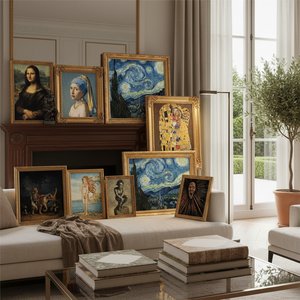 Timeless Masterpieces: 10 Classic Artworks for Elegant Homes |Explore 10 timeless masterpieces – from Van Gogh to Rembrandt – that define classic art & evoke enduring moods. Discover art history, techn…
 25 Masterpieces by Jean-Antoine Watteau: The Essence of Rococo EleganceExplore 25 iconic Rococo masterpieces by Jean-Antoine Watteau. Discover the full collection online at OriginalUniqueArt.com.
 25 Iconic Masterpieces by Henri de Toulouse-Lautrec: Capturing the Spirit of MontmartreStep into the vibrant nightlife of Montmartre with our curated guide to the top 25 Henri de Toulouse-Lautrec masterpieces. Explore the soul…