

 实景预览
实景预览
 发送
发送 分享
分享
 详情
详情 指南
指南

 下载图片
下载图片
 相似作品
相似作品 X射线
X射线 幻灯片播放
幻灯片播放 统计数据
统计数据La Chiaruccia
 Acrylic On Canvas
- WallArt
- Romanticism
 1848
1848 97.0 x 78.0 cm
 法布尔博物馆
 阅读全文
阅读全文
艺术微喷/版画
博物馆级艺术微喷或帆布版画,制作高效,并提供多种饰面选择。 ( 订购此收藏品的纯手工复刻画作 切换至数字图像销售渠道)




P118B ¥10

P118H ¥10

P118W ¥10

P438Z ¥10

P508JH ¥12

P508YH ¥12

P805H ¥10

P805Z ¥10

P919BZ ¥10

P919G ¥10

P919XJ ¥10

P959ZH ¥10

P968JZ ¥12

W106C ¥8

W218G ¥10

W218JH ¥8

W218Y ¥10

W307PJ ¥10

W316G ¥10

W316PJ ¥8

W316Y ¥10

W398PJ ¥8

W4111J ¥10

W500HY ¥15

W500JH ¥15

W692G ¥12

W849H ¥8

W940BG ¥15

W953PJ ¥8




您可以从与原作比例一致的预设尺寸中进行选择。

请输入您所需的宽度和高度,以适配您的画框或墙面。由于印刷品只能进行裁剪,无法超出原图尺寸,因此若比例不一致,画面的一部分将会被裁切。在正式印刷之前,我们会为您发送一份数字效果图供您确认。本页面显示的图片并非最终裁剪后的效果——只有效果图才能展示真实的裁剪情况。


 玻璃选项仅适用于110厘米以下的尺寸。

La Chiaruccia
艺术微喷/版画
复刻品尺寸说明
-


总计金额
¥ 538
Alexandre Cabanel’s “La Chiaroscuro”: A Portrait of Elegance Rooted in Classical Tradition
- Subject Matter: Alexandre Cabanel's "La Chiaroscuro" depicts a woman—likely intended to represent Marie Alexandrine Louise Bonaparte, Napoleon III’s sister—seated gracefully amidst a tranquil landscape. Her gaze is directed towards the viewer, establishing an intimate connection between subject and observer.
- Style: The painting embodies the quintessential style of academic art prevalent in France during its Belle Époque period. Characterized by meticulous detail and idealized beauty, it adheres to classical conventions—specifically those championed by Jacques-Louis David—emphasizing harmony, balance, and proportion.
- Technique: Cabanel employed oil paint on canvas with exceptional precision. He utilized glazing techniques—applying thin layers of translucent pigment over subsequent coats—to achieve luminous effects and subtle tonal variations. The artist’s masterful brushwork contributes to the painting's textural richness, capturing the delicate folds of the woman’s gown and the intricate patterns of the foliage.
- Historical Context: Painted in 1848, “La Chiaroscuro” reflects the artistic sensibilities of a time marked by optimism and grandeur. Napoleon III’s reign witnessed a flourishing of cultural endeavors—a deliberate effort to revive France's prestige after the Franco-Prussian War. Cabanel’s work aligns perfectly with this prevailing ethos, serving as a testament to the enduring power of classical ideals.
- Symbolism: The woman’s pose and attire convey notions of dignity and composure—symbols of aristocratic virtue. The flowers held in her hands represent beauty, purity, and remembrance—suggesting an allusion to Marie Bonaparte's familial heritage and honoring the memory of Napoleon Bonaparte.
The Luminosity of Glazing: Cabanel’s Approach to Light and Color
Cabanel’s technique is particularly noteworthy for its incorporation of glazing—a method that elevates oil paint beyond mere pigment application. By applying thin, translucent layers of color over previously painted surfaces, he achieved remarkable tonal depth and luminosity. This process allowed him to capture the subtle nuances of light filtering through the trees and mountains in the background, creating an atmospheric illusion that enhances the painting’s overall visual impact. The glazing technique is a hallmark of Baroque art but was skillfully adapted by Cabanel to suit the aesthetic demands of his era.A Window into Napoleon III's Vision: Artistic Patronage and National Identity
Napoleon III recognized the importance of artistic patronage in shaping national identity. He actively supported artists like Cabanel—commissioning monumental canvases that celebrated French history and culture—aiming to instill pride and patriotism among his subjects. “La Chiaroscuro” exemplifies this ambition, presenting Marie Bonaparte as a figure of noble grace and embodying the ideals of classical beauty—values deemed crucial for upholding France’s cultural heritage.Emotional Resonance: Capturing Graceful Dignity
Despite its formal aesthetic, “La Chiaroscuro” possesses an undeniable emotional resonance. Cabanel succeeds in conveying a sense of serene dignity and contemplative beauty—capturing the essence of Marie Bonaparte’s character with remarkable sensitivity. The painting's harmonious composition and masterful execution evoke feelings of tranquility and admiration—inspiring viewers to contemplate the enduring legacy of classical art.问答详情
卡巴内尔 的《La Chiaruccia》 传达了怎样的情感?
卡巴内尔 的《La Chiaruccia》 在整体 Romantic 的氛围中,传达出一种 Nostalgic 的情感。
考虑到其色彩搭配,建议将 卡巴内尔 的《La Chiaruccia》 悬挂在哪个房间?
卡巴内尔 的《La Chiaruccia》 的 Earthy 色调与其推荐的布置空间——Living Room 完美契合。
卡巴内尔 的《La Chiaruccia》 的推荐打印尺寸是多少?
建议为 卡巴内尔 的《La Chiaruccia》 制作 Large 的复制品。尺寸可以在保持比例不变的情况下进行调整。
艺术家简介
早年生活与艺术启蒙
亚历山大·卡巴内尔,一位与19世纪法国学院派绘画同义的名字,于1823年9月28日出生在蒙彼利埃。他的艺术之路并非源自艺术家家庭,而是作为一名谦逊木匠的儿子开始——这种背景在他身上培养了坚韧的工作精神,或许也激起了他对工艺的热爱。卡巴内尔的天赋毋庸置疑;十岁时,他已经在蒙彼利埃当地的艺术学校接受正规训练,展现出值得特别关注的潜力。这份早期的承诺为他赢得了1839年前往巴黎学习的机会,进入享有盛誉的法兰西美术学院,师从弗朗索瓦-爱德华·皮科。皮科本人是雅克-路易·大卫的学生,传授了一种根植于古典原则的严格训练——这种基础深刻地塑造了卡巴内尔的艺术轨迹。课程内容不仅侧重于技巧,还包括对文学、历史和哲学的广泛教育,培养了一种能够丰富他作品主题的智慧。他早期尝试著名的罗马奖学金,虽然最初没有成功,但展现了他的雄心壮志以及不断精进技能的意愿。最终,在1845年,他获得了这项殊荣,使他得以在罗马维拉美第学习一段时间——对于任何有抱负的法国艺术家来说,这是一次至关重要的经历。罗马岁月与声名鹊起
罗马对卡巴内尔而言是变革性的。沉浸在古代艺术和文化中,他吸收了文艺复兴大师们的教诲,研究他们的构图、技巧以及对形式的精湛掌握。这段时期并非仅仅是对旧大师的模仿;而是一个将古典理想内化并适应到自己艺术视野中的过程。在此期间,他与阿尔弗雷德·布鲁亚斯建立了关键的关系,布鲁亚斯是蒙彼利埃的同乡,也是一位热衷于收藏艺术品的赞助人,成为了卡巴内尔的赞助者。布鲁亚斯委托艺术家创作了几件作品,包括《阿尔拜代》、《基娅鲁奇亚》和《沉思中的年轻人——一位年轻的罗马僧侣》,这些画作展现了卡巴内尔在描绘历史题材以及充满浪漫气息的场景中日益增长的技巧。回到巴黎后,卡巴内尔迅速确立了自己在沙龙体系中的领先地位,这是法兰西美术学院官方艺术展览会。他的作品始终因其精湛的技巧、优雅的构图和迷人的美感而受到赞扬。突破性时刻发生在1863年,他创作了《维纳斯的诞生》。这幅画作是对女神从海中诞生的惊人描绘,立刻引起轰动——而且并非没有争议。虽然因其对女性形态的精致表现和精湛的技巧而备受赞誉,但也因一些人认为它过于感性或缺乏原创性而受到批评。然而,拿破仑三世亲自购买了这幅作品作为他的私人收藏,巩固了卡巴内尔的声誉,并确保了他成为第二帝国最受欢迎的艺术家之一的位置。学院派风格的大师
卡巴内尔的艺术风格深深植根于学院派现实主义——一种强调精确素描、对细节一丝不苟的关注以及对古典美的承诺的传统。他擅长描绘历史、神话和宗教题材,经常赋予它们戏剧性和情感强度。他的肖像画同样因其捕捉坐姿者外貌的能力而受到赞赏,同时也捕捉他们的性格和个性。卡巴内尔的技巧以流畅的笔触、微妙的色调渐变以及对光影的精湛运用为特征。他拥有令人难以置信的天赋,能够以非凡的现实主义来渲染肤色,创造出栩栩如生的形象。他并非仅仅复制现实;而是在理想化它——努力创造出体现古典和谐、平衡和比例观念的图像。这种对理想美的追求经常导致他对作品进行提炼和完善,从而创作出既技术完美又美观的作品。《奥菲莉亚》,创作于1883年,很好地体现了这种方法;这位悲剧女主角被描绘成一种令人心碎的美丽,她的姿势和表情传达了一种深刻的悲伤和绝望。同样,《沃龙佐娃·达什科娃伯爵夫人肖像》展示了他捕捉主题优雅和内在力量的能力。《I>卡巴内尔对色彩的运用也十分出色,他擅长使用丰富的色调来营造氛围和情感效果。遗产与影响
到1864年,卡巴内尔取得了足以让他接受法兰西美术学院教授职位的成功——这个职位他一直担任到1889年去世。作为一名教师,他影响了整整一代艺术家,向有抱负的画家传授他的知识和技能。在他的著名学生中,有许多成功的艺术家继承了学院派绘画的传统。尽管在他生命的最后几年面临着印象主义等新兴艺术运动的挑战,卡巴内尔仍然坚定地致力于古典理想。他的作品继续被展出和庆祝,并且在收藏家和赞助人中保持着忠实的追随者。虽然后代可能会以某种程度的怀疑来审视学院派艺术,但卡巴内尔的贡献仍然意义重大。他代表了19世纪法国绘画的巅峰——一位精湛的工匠,拥有无与伦比的能力创造出既美丽又技术精湛的图像。他的画作继续吸引着今天的观众,为我们提供了一个了解艺术、技巧和古典理想至高无上的世界。卡巴内尔的影响力可以从他之后跟随者的作品中看到,即使那些有意识地拒绝学院派惯例的人——这证明了他艺术愿景的持久力量。
卡巴内尔
1823 - 1889 , 法国
快速概览
- 代表作品:
- 奥菲莉亚
- 维纳斯的诞生
- 法德拉
- 沃龙佐娃伯爵夫人
- 出生地: 法国蒙彼利埃
- 出生日期: 1823年9月28日
- 受卡巴内尔影响的艺术家或运动: 后世学院派画家
- 国籍: 法国
- 姓名: 亚历山德·卡巴内尔
- 影响卡巴内尔的艺术家: ['弗朗索瓦-爱德华·皮科']
- 艺术运动或风格: 学院派绘画
- 逝世日期: 1889年1月23日
相关文章

Mastering Perfection: A Definitive Guide to the Elegance and Precision of Academic Classicism
Explore the rigorous beauty of Academic Classicism. Discover the principles of order, precision, and historical reverence that define this timeless art movement through an expert guide to its enduring legacy and technical mastery.
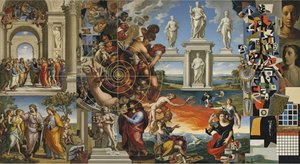
The Eloquence of Arrangement: Compositional Strategies in Western Art from the Renaissance to Modernism
Explore the evolution of compositional strategies in Western art! Discover how masters like Raphael & Zurbaran used perspective, proportion, and dynamic arrangement to create timeless masterpieces. Enhance your art appreciation today!
巴洛克古典主义:十七世纪艺术中的戏剧性与秩序融合
深入探索17世纪巴洛克古典主义艺术的戏剧性与秩序之美。卡拉瓦乔、鲁本斯等大师作品解析,揭秘宗教改革下的艺术策略,并了解凡尔赛宫的辉煌历史。OriginalUniqueArt.com为您提供专业的艺术鉴赏与定制服务。

Baroque Classicism: The Grandeur of Order and Drama in 17th-Century Art History
Explore the profound elegance of Baroque Classicism. Discover how 17th-century masters synthesized dramatic emotion with classical order through the lens of the Counter-Reformation and the works of legends like Carlo Maratta and Andrea Sacchi.
The Timeless Elegance of Academic Classicism: A Journey Through Order, Precision, and the Pursuit of Perfection
Explore the profound beauty of Academic Classicism. Discover how masters used order, precision, and classical ideals to achieve timeless perfection in art history, from Neoclassical portraits to the pursuit of ideal beauty.
