

 效果预览
效果预览
 购买印刷品
购买印刷品 分享
分享 分享
分享
 详情
详情

 下载
下载
 相似作品
相似作品 X射线
X射线 幻灯片播放
幻灯片播放Bacchus and Ariadne
 Acrylic
- WallArt
- Early Baroque
 1630
1630 114.0 x 148.0 cm
 冬宫博物馆 (Hermitage Museum)
 展开详情
展开详情




P118B $10

P118H $10

P118W $10

P438Z $10

P508JH $12

P508YH $12

P805H $10

P805Z $10

P919BZ $10

P919G $10

P919XJ $10

P959ZH $10

P968JZ $12

W106C $8

W218G $10

W218JH $8

W218Y $10

W307PJ $10

W316G $10

W316PJ $8

W316Y $10

W398PJ $8

W4111J $10

W500HY $15

W500JH $15

W692G $12

W849H $8

W940BG $15

W953PJ $8




从与原作比例一致的预设尺寸中进行选择。

您可以输入自定义尺寸,以适配特定的画框或空间。如果所选尺寸与原图比例不符,我们将通过裁剪作品或添加手绘元素来扩展画面。数字样稿将在制作开始前发送给您确认。
请注意,屏幕预览无法准确反映实际的裁剪或扩展效果,只有样稿才能真实呈现最终的构图。
虽然我们提供定制尺寸服务,但为了保留原作比例,建议您从预设列表中选择尺寸。
下单后,OriginalUniqueArt.com 团队将通过电子邮件联系客户获取具体要求,并提供效果预览图。


 玻璃选项仅适用于110厘米以下的尺寸。

Bacchus and Ariadne
复制材质
复制品尺寸
-


最终总价
$ 300
作品详情
Alessandro Turchi: Bridging Mannerism and Baroque Splendor – A Study of “Bacchus and Ariadne”
Alessandro Turchi, affectionately known as “L’Orbetto”—the little urchin—was a pivotal figure bridging the late Mannerist traditions of Verona with the burgeoning drama of the early Roman Baroque. Born in 1578 into a Verona touched by artistic fervor, Turchi's journey reflects a fascinating interplay between regional styles and the magnetic pull of Rome’s artistic innovations. His initial training under Felice Riccio (il Brusasorci), a prominent Veronese painter, laid a solid foundation in technique and composition. This apprenticeship instilled within him a meticulous approach to form and a sensitivity to color that would characterize his early works. By 1603, Turchi had established himself as an independent artist, quickly gaining recognition for his emerging talent. A significant early commission – the organ shutters for the Accademia Filarmonica of Verona (1606-1609) – demonstrated not only his technical prowess but also a profound understanding of decorative art and patronage. The painting “Bacchus and Ariadne,” completed in 1630–32, exemplifies Turchi’s masterful synthesis of Caravaggesque realism with lyrical grace—a hallmark of his distinctive style. At the heart of this monumental canvas is the mythological tale of Dionysus (Bacchus) rescuing Ariadne from Crete after Theseus abandoned her on the island. Turchi skillfully captures the dynamism and theatricality inherent in Ovid’s narrative, employing a dramatic chiaroscuro technique—characteristic of Caravaggio—to illuminate the figures against a dark background. This masterful use of light creates an illusionistic depth that draws the viewer into the scene, emphasizing the emotional intensity of the moment. The composition is divided diagonally, mirroring the influence of Renaissance geometric principles while simultaneously conveying movement and energy. Ariadne, draped in flowing robes, stands serenely on the shore as Bacchus leaps from his chariot—drawn by two cheetahs—towards her with fervent passion. This gesture embodies the central theme of the painting: the impulsive allure of divine love. The surrounding figures – including satyrs, nymphs, and attendants – contribute to the vibrant atmosphere of revelry and ecstasy. Notably, Turchi incorporates a celestial element—the constellation Corona Borealis—above Ariadne’s head, symbolizing triumph and enlightenment. This subtle detail underscores the painting's overarching message about overcoming adversity and achieving spiritual fulfillment. The artist’s signature, boldly inscribed on an urn amidst the opulent setting, serves as a testament to his artistic ambition and unwavering dedication to craftmanship. Further research into Alessandro Turchi reveals that he was deeply influenced by the rediscovery of classical sculpture in Rome during this period—particularly Laocoön and His Sons—which spurred him to explore expressive gestures and dramatic narratives. The painting’s meticulous attention to detail—from the textures of Ariadne's drapery to the musculature of Bacchus—demonstrates Turchi’s unwavering commitment to anatomical accuracy, reflecting the humanist ideals prevalent in Baroque art. Moreover, the use of ultramarine pigment—a costly material imported from Persia—highlights the artist’s access to resources and his desire to elevate his work aesthetically. “Bacchus and Ariadne” stands as a cornerstone of Turchi's oeuvre and embodies the artistic spirit of Verona during its transition into the Baroque era. Its enduring appeal lies in its ability to evoke profound emotions—passion, ecstasy, and triumph—while simultaneously celebrating the beauty and grandeur of classical mythology. It remains an inspiring example of how artists can fuse technical virtuosity with imaginative storytelling to create masterpieces that transcend time and continue to captivate audiences worldwide.艺术家简介
罗马巴洛克时期的维罗纳大师:亚历山德罗·图尔基的生平与艺术
亚历山德罗·图尔基(Alessandro Turchi)被人们亲切地称为“L’Orbetto”——意为“小顽童”。他是连接维罗纳晚期风格主义传统与早期罗马巴洛克勃兴戏剧感的关键人物。1578年,他出生于一个充满艺术热情的维罗纳,其艺术生涯反映了地域风格与罗马艺术创新磁力之间迷人的相互作用。他在著名的维罗纳画家费利切·里乔(Felice Riccio,即il Brusasorci)门下接受了最初的训练,这为他的技法与构图奠定了坚实的基础。这段学徒生涯赋予了他对形式的严谨追求以及对色彩的敏锐感知,这些特质成为了他早期作品的鲜明标志。到了1603年,图尔基已成为一名独立的艺术家,并因其崭露头角的才华迅速获得认可。一项重要的早期委约作品——为维罗纳音乐学院(Accademia Filarmonica of Verona)创作的管风琴遮板(1606-1609)——不仅展示了他精湛的技术,也体现了他在处理大型装饰性项目时的多才多艺。这一时期巩固了他在维罗纳艺术界的地位,为他迈向更广阔的艺术视野做好了准备。从维罗纳到罗马:绽放的艺术生涯
1605年费利切·里乔的逝世成为了他命运的转折点。图尔基与帕斯夸莱·奥蒂诺(Pasquale Ottߋino)并肩协作,完成了恩师留下的几幅未竟之作,这一举动不仅磨炼了他的技艺,也巩固了他在艺术界的声望。这种合作并非仅仅是对既有作品的修补,更是一个至关重要的学习与精进时期,使图尔基在吸收里乔风格细微差别的同时,逐渐形成了自己独特的艺术语言。他的雄心很快引领他走出了维罗纳。到1616年,他前往了艺术创新的中心——罗马,并迅速沉浸在教皇赞助与艺术竞争交织的活跃氛围中。他在奎里纳莱宫(Quirinal Palace)萨拉·雷吉亚大厅(Sala Reggia)壁画创作中的参与——描绘《玛那的收集》——标志着他在罗马舞台上的正式登场。这次委约使他得以与当时的顶尖艺术家接触,并让他领略了定义新兴巴洛克风格的那种戏剧性的张力。在此期间,一项尤为卓越的成就便是受权臣斯基皮奥内·博尔盖塞枢机(Cardinal Scipione Borghese)委托创作的《基督、抹大拉与天使》,这位强大的赞助人以其敏锐的品味和对艺术天才的支持而闻名。风格的融合:卡拉瓦乔主义与优雅之美
图尔基的艺术风格极其独特——它是柔和感与戏剧性强度之间一种引人入胜的结合。虽然他深受卡洛·卡利亚里(Carlo Cagliari)以及关键的启蒙恩师费利切·里乔的影响,但他并未简单地模仿他们的风格,而是开辟了一条令其在同辈中脱颖而出的独特路径。卡拉瓦乔的影响力是毋庸置疑的;图尔基大师般地运用了“明暗对照法”(chiaroscuro)——通过光影的剧烈对比——在画作中营造出一种戏剧化的舞台感与情感深度。然而,不同于卡拉瓦乔某些过于冷峻写实的描绘,图尔基用一种抒情的优雅和对色彩精细的敏感度缓和了这种强度。他笔下的人物具有雕塑般的质感,却又蕴含着一种温柔的人性光辉,从而软化了戏剧性的冲击力。这种平衡看似矛盾的力量——即戏剧冲突与细腻柔美——正是他的艺术签名所在。在创作历史场景时,他经常使用黑色大理石作为背景,创造出强烈的对比,进一步增强了构图的情感力量。传承与认可:罗马艺术界的领袖
在整个职业生涯中,亚历山德罗·图尔基不仅是一位造诣深厚的画家,更是一位忘我的导师。他慷慨地向充满希望的年轻艺术家分享自己的知识与经验,其中包括乔瓦尼·切斯奇尼(Giovanni Ceschini)和乔瓦尼·巴蒂斯塔·罗西(Giovanni Battista Rossi),两人后来都在维罗纳建立了成功的艺术事业。他的职业地位持续攀升;1637年,他当选为圣路卡学院(Accademia di San Luca)的“principe”(院长),这证明了他在罗马艺术界享有的领导地位与艺术权威。一年后的1638年,他加入了享有盛誉的教皇艺术家公会——即万神殿维图维奥学院(Pontifical Academy of Fine Arts and Letters of the Virtuosi al Pantheon),进一步巩固了他在罗马精英艺术家中的地位。如今,图尔基对早期巴洛克绘画的贡献因其在戏剧张力与柔和美学感官之间的精妙融合而备受推崇。他那些动人心魄的宗教与历史作品至今仍能令观众着迷,为人们窥见17世纪意大利的艺术激荡提供了窗口。他留下的遗产不仅存在于他的画作之中,更存在于他所启迪的艺术家身上,确保了他独特的视觉精神能够跨越世代流传。他的作品始终是艺术融合力量以及那份被戏剧感调和过的永恒美感的见证。
亚历山德罗·图尔基
1578 - 1649 , 意大利
艺术家简介
- Artistic Movement Or Style: 早期巴洛克
- Artists Or Movements Influenced By This Artist:
- Giovanni Ceschini
- Giovanni B. Rossi
- Artists Who Influenced This Artist:
- Felice Riccio
- Carlo Cagliari
- Date Of Birth: 1578年
- Date Of Death: 1649年
- Full Name: Alessandro Turchi
- Nationality: 意大利
- Notable Artworks:
- 圣母升天祭坛画
- 基督、抹大拉的玛利亚与天使
- 帕里斯的审判
- 刻法洛斯与普罗克利斯
- Place Of Birth: 意大利,维罗纳
相关文章

Bronze Sculptures That Defined Art History | OriginalUniqueArt
Journey through art history with our Top 10 bronze sculptures! Explore masterpieces by Rodin, Michelangelo & more. Discover stories behind iconic statues and find museum-quality reproductions for your home decor at OriginalUniqueArt.com.

Baroque Classicism: The Grandeur of Order and Drama in 17th-Century Art History
Explore the profound elegance of Baroque Classicism. Discover how 17th-century masters synthesized dramatic emotion with classical order through the lens of the Counter-Reformation and the works of legends like Carlo Maratta and Andrea Sacchi.

The Enduring Allure of Marble in Art History: From Classical Sculpture to Modern Abstraction
Explore the captivating history of marble sculpture from ancient Greece to modern art. Discover renowned artists like Canova & Michelangelo, carving techniques, and investment insights at OriginalUniqueArt.

The Enduring Form: Exploring Themes & Techniques in Sculpture Across Historical Periods
Explore the rich history of sculpture from ancient masterpieces to contemporary innovations. Discover key techniques, influential artists & investment potential for discerning art collectors.
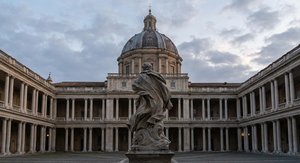
巴洛克古典主义:十七世纪艺术中的戏剧性与秩序融合
深入探索17世纪巴洛克古典主义艺术的戏剧性与秩序之美。卡拉瓦乔、鲁本斯等大师作品解析,揭秘宗教改革下的艺术策略,并了解凡尔赛宫的辉煌历史。OriginalUniqueArt.com为您提供专业的艺术鉴赏与定制服务。

