

 实景预览
实景预览
 发送
发送 分享
分享
 详情
详情 指南
指南

 下载图片
下载图片
 相似作品
相似作品 X射线
X射线 幻灯片播放
幻灯片播放 统计数据
统计数据Praying Monks
 Acrylic On Canvas
- WallArt
- Late Baroque
 53.0 x 43.0 cm
 Museum voor Schone Kunsten
 阅读全文
阅读全文
艺术微喷/版画
博物馆级艺术微喷或帆布版画,制作高效,并提供多种饰面选择。 ( 订购此收藏品的纯手工复刻画作 切换至数字图像销售渠道)




P118B ¥10

P118H ¥10

P118W ¥10

P438Z ¥10

P508JH ¥12

P508YH ¥12

P805H ¥10

P805Z ¥10

P919BZ ¥10

P919G ¥10

P919XJ ¥10

P959ZH ¥10

P968JZ ¥12

W106C ¥8

W218G ¥10

W218JH ¥8

W218Y ¥10

W307PJ ¥10

W316G ¥10

W316PJ ¥8

W316Y ¥10

W398PJ ¥8

W4111J ¥10

W500HY ¥15

W500JH ¥15

W692G ¥12

W849H ¥8

W940BG ¥15

W953PJ ¥8




您可以从与原作比例一致的预设尺寸中进行选择。

请输入您所需的宽度和高度,以适配您的画框或墙面。由于印刷品只能进行裁剪,无法超出原图尺寸,因此若比例不一致,画面的一部分将会被裁切。在正式印刷之前,我们会为您发送一份数字效果图供您确认。本页面显示的图片并非最终裁剪后的效果——只有效果图才能展示真实的裁剪情况。


 玻璃选项仅适用于110厘米以下的尺寸。

Praying Monks
艺术微喷/版画
复刻品尺寸说明
-


总计金额
¥ 538
A Glimpse into Melancholy: Alessandro Magnasco’s “Praying Monks”
Alessandro Magnasco's "Praying Monks," a remarkably intimate and subtly unsettling work from around 1730, offers a profound meditation on faith, solitude, and the human condition. Measuring just 53 x 43 cm, this painting transcends its modest size to deliver an experience of weighty emotion—a testament to Magnasco’s unique ability to distill complex spiritual themes into powerfully evocative imagery. The scene unfolds within a deliberately sparse landscape, dominated by two weathered rocks that serve as silent witnesses to the monks' devotion. These aren’t dramatic mountains or imposing cliffs; rather, they are humble elements, grounding the figures and suggesting a connection between earthly solidity and the search for something beyond.
Magnasco, born in Genoa in 1667 and primarily active in Milan, occupies a fascinating space within the transition from Baroque to Rococo. He wasn’t simply replicating established styles; he was forging his own path, marked by an intensely personal vision often tinged with melancholy. Unlike many of his contemporaries who embraced grand narratives and theatrical displays, Magnasco favored a quieter, more introspective approach. This is immediately apparent in “Praying Monks,” where the focus isn’t on elaborate gestures or dramatic expressions, but rather on the subtle nuances of posture and expression—the bowed head, the clasped hands, the almost palpable sense of quiet contemplation.
The Figures: A Spectrum of Response
Three monks dominate the composition, each embodying a distinct response to their shared devotion. The monk on the left, positioned slightly off-center, is rendered in a posture of fervent supplication—his hands raised in an open gesture of prayer, his face turned heavenward. He represents perhaps the most outwardly expressive of the three, a visible yearning for connection with the divine. To his right and above him stands another monk, equally engaged in prayer, but exhibiting a more subdued demeanor – a quiet acceptance, a yielding to fate. The third monk, kneeling further to the right, is depicted in a posture of almost complete surrender—a stillness that borders on sleep or perhaps even despair. This final figure offers a poignant counterpoint to the others, suggesting the potential for spiritual exhaustion and the struggle to maintain faith amidst hardship.
Magnasco’s masterful use of light and shadow further enhances this emotional complexity. The scene is bathed in a muted palette—predominantly grays and browns—creating an atmosphere of somber contemplation. The artist employs rapid, sketchy brushstrokes, lending the figures a sense of immediacy and vulnerability. These aren't idealized representations; they are flawed, human beings grappling with profound questions. Notice how Magnasco avoids smooth transitions or polished surfaces, instead favoring a technique that feels raw and direct—as if he were capturing a fleeting moment of genuine emotion.
Symbolism and Context
The choice of setting – the rugged landscape punctuated by these simple rocks – is laden with symbolic weight. The rocks can be interpreted as anchors, grounding the monks in the physical world while simultaneously representing the foundations upon which their faith is built. Magnasco’s depiction aligns with the practices of the Order of the Camuldulenses, or White Robed Monks of St. Benedict, who sought solace and guidance through a life of isolation in mountainous regions. The painting subtly echoes depictions of Jesus in the Garden of Gethsemane, highlighting the universal human experience of doubt and suffering.
Interestingly, Magnasco’s artistic biography reveals a man often at odds with convention. While he collaborated on larger projects and served prominent patrons like the Grand Duke Cosimo III, his personal style was decidedly unconventional—characterized by unsettling scenes populated by lonely hermits and monks. This suggests a deep-seated preoccupation with themes of isolation, decay, and the darker aspects of human existence. The attribution to this work is often debated, as Magnasco himself preferred more secular subjects, yet its haunting beauty and emotional resonance remain undeniable.
A Reproduction for Your Space
OriginalUniqueArt’s hand-painted reproduction of “Praying Monks” captures the essence of Magnasco's vision with exquisite detail. We meticulously recreate his distinctive brushwork, nuanced color palette, and evocative atmosphere, ensuring that this powerful artwork becomes a captivating centerpiece in your home or office. This is more than just a print; it’s an authentic representation of a significant work by a master of the Baroque era—a piece that invites contemplation and offers a glimpse into the complexities of faith, solitude, and the human spirit.
问答详情
Late Baroque 流派的作品 "Praying Monks" 源自哪个国家?
通过创作者的出生地,《Praying Monks》将Late Baroque运动与意大利紧密联系在了一起。
在 亚历山德罗·马尼亚斯科 的《Praying Monks》 中,艺术流派与时代背景是如何交汇的?
在亚历山德罗·马尼亚斯科 的《Praying Monks》中,Late Baroque运动与近代早期时代交相辉映。
"Praying Monks" 的色彩饱和度如何?
亚历山德罗·马尼亚斯科 的《Praying Monks》 的色彩饱和度为 Muted,色彩强度为 Monochromatic。
艺术家简介
笼罩在阴郁中的生命:亚历山德罗·马尼亚斯科的神秘世界
亚历山德罗·马尼亚斯科,这个名字或许不如他同时代的巴洛克大师们那样耳熟能详,然而,他在意大利艺术史上占据着一个独特而引人入胜的位置。他于1667年出生在热那亚,度过了大部分的创作生涯是在米兰,直到职业生涯末期才于1735年返回了故乡。这种地域上的变迁,映照出其艺术视野中微妙却重大的演变——这是一段从合作项目和既定传统,走向一种极具个人色彩且常常令人不安的风格的旅程。马尼亚斯科所描绘的绝不仅仅是他所“看见”的;他将一种特定的情绪,一种忧郁与衰败的感觉,以一种令他脱颖而出的大胆姿态,倾注到了画布之上。在1703年至1709年间的一段时期,他在佛罗伦萨为科西莫三世大公服务,这段经历无疑拓宽了他的艺术视野,尽管它对他的成熟风格产生了何种直接影响,至今仍有待解读。在他职业生涯的早期,他经常与其他艺术家合作,巧妙地将人物融入乔瓦尼·巴蒂斯塔·塔维拉(Giovanni Battista Tavella)的风景画中,并运用克莱门蒂·斯佩拉(Clemente Spera)制作的建筑废墟——这些合作不仅磨练了他的技术功底,也暗示着他内心日益增长的独立精神。一种非凡的视野:风格与题材
马尼亚斯科的艺术印记在于他对尺度和色调的双重独特处理方式。他偏爱小尺幅的画布,常常运用一种低彩度的、沉郁的色彩范围——灰色、棕色、赭石色——这些色彩共同营造出弥漫在他作品中的阴郁氛围。这些画作并非是高声呐喊寻求关注的作品;它们更像是从昏暗的角落里窃窃私语的秘密。他的场景中频繁描绘着摇摇欲坠的废墟、笼罩在迷雾中的诡异景观,或是挤满了用神经质、闪烁般的笔触描绘出的拉长形体的拥挤室内。真正定义其艺术成就的,正是这些人物——他们常常是衣衫褴褛的乞丐、孤独的僧侣,或是从事神秘活动的阴影群体。马尼亚斯科选择的主题材料在当时是极其反传统的。他从不回避描绘那些被视为边缘甚至禁忌的场景:犹太会堂的服务、贵格会聚会、强盗的聚集、宗教裁判所的审讯,以及灾难的描绘。艺术家的意图至今仍是模棱两可的;这些画作究竟是社会评论的表达,是对宗教宽容(或不宽容)的探索,还是仅仅捕捉某种特定心境的练习?正是这种模糊性,使得他的作品如此迷人。在他职业生涯后期,即1710年之后,他以哥特式教堂、孤独的隐士和僧侣、聚集在城镇广场上的流氓无赖,以及驻扎在兵营中的士兵为著称——这些场景进一步巩固了他作为一位被社会边缘吸引的艺术家的声誉。影响与艺术发展
要确定马尼亚斯科艺术发展的精确影响源头是一项复杂的任务。他显然吸收了来自各种来源的元素,但又将它们综合成了一种完全原创的风格。他的威尼斯同时代人塞巴斯蒂亚诺·里奇(Sebastiano Ricci)那种松散的绘画笔触无疑起到了作用,尽管里奇的作品更倾向于宏大的规模和更明显的神话主题。就近而言,热那亚的艺术家多梅尼科·皮奥拉(Domenico Piola)和格雷戈里奥·德·费拉里(Gregorio de Ferrari)提供了风格上的先例,但马尼亚斯科的视野要黑暗得多,也更具内省性。米兰艺术家的伊尔·莫拉佐内(Il Morazzone)所蕴含的情感强度也与他产生了共鸣,尤其体现在其通过富有表现力的笔触来传达心理深度上的能力。他的海景作品展现出对萨尔瓦托雷·罗萨(Salvatore Rosa)钟爱的风暴大海和海盗浪漫描绘的亲近,而他人物相对于广阔景观的微小尺度,则呼应了克劳德·洛兰(Claude Lorraine)空灵的构图。人们还将他的作品与吉塞佩·马里亚·克雷斯皮(Giuseppe Maria Crespi)描绘乞丐的世俗场景进行了比较,尽管克雷斯皮的人物通常更为丰满和个性化。一些学者甚至提出,马尼亚斯科可能反过来影响了克雷斯皮本人。此外,这位艺术家很可能也受到了晚期巴洛克意大利世俗画家、罗马的“穷画派”(Bamboccianti)以及雅克·卡洛(Jacques Callot)精细版画的影响。遗产与历史意义
亚历山德罗·马尼亚斯科的风格,与热那亚盛行的艺术规范形成了鲜明的对比,后者强调抛光的表面和和谐的色彩融合。他大胆的处理方式和独特的视野,在自己的家乡并未得到即时认可,却在其他地方——尤其是在米兰贵族圈子中——获得了收藏家和赞助人的青睐。鲁道夫·维特科瓦(Rudolf Wittkower)曾著名地将他描述为一位“孤僻、紧张、奇特”的艺术家,脱离了主流的威尼斯画派。尽管初期缺乏认可,马尼亚斯科的作品却对后世的艺术家的几代人产生了微妙而深远的影响,包括马可·里奇(Marco Ricci)、朱塞佩·巴扎尼(Giuseppe Bazzani)、弗朗切斯科·马菲(Francesco Maffei),以及著名的威尼斯画家詹南托尼奥和弗朗西斯科·瓜尔迪(Gianantonio and Francesco Guardi)。虽然这些后来的洛可可画家采纳了他的松散笔触用于装饰目的,但马尼亚斯科本人却是用它来捕捉一种阴郁感、真实感和心理不安。他对酷刑以及人类其他黑暗方面的描绘,甚至被拿来与弗朗西斯科·戈雅(Francisco Goya)19世纪的蚀刻版画中的社会评论相比较——这证明了其令人不安的视野所具有的持久的力量和相关性。马尼亚斯科至今仍是一位神秘的人物,一位情绪和氛围的大师,他的画作在创作了几个世纪之后,依然能持续地吸引人并引发沉思。他的艺术提醒我们,即使在阴影之中也能发现美,而真正的艺术表达往往存在于传统规范的边界之外。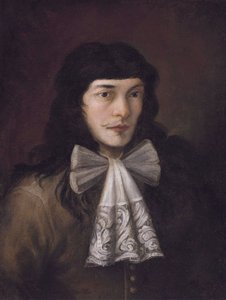
亚历山德罗·马尼亚斯科
1667 - 1749 , 意大利
快速概览
- Artistic Movement Or Style: 巴洛克,风俗画
- Artists Or Movements Influenced By This Artist:
- 马可·里奇
- 朱塞佩·巴扎尼
- 弗朗切斯科·马菲
- Artists Who Influenced This Artist:
- 塞巴斯蒂亚诺·里奇
- 多梅尼科·皮奥拉
- 格雷戈里奥·德·费拉里
- Date Of Birth: 1667
- Date Of Death: 1749
- Full Name: 亚历山德罗·马尼亚斯科
- Nationality: 意大利人
- Notable Artworks:
- 三位卡马洛莱修士
- 风景中的卡尔修修士
- 拉撒路复活
- Place Of Birth: 意大利,热那亚
相关文章

巴洛克戏剧性:将辉煌与情感融入当代室内设计
探索巴洛克艺术的辉煌与奢华!OriginalUniqueArt提供精湛的手工油画复制、定制服务和专业艺术咨询,助您将经典作品融入当代室内设计,提升家居品味。投资艺术,传承价值。

Italian Baroque Unlocked: High-Drama Art That Hits Hard
Dive into the high-drama world of Italian Baroque art. Discover how chiaroscuro, intense emotion, and theatrical lighting redefined aesthetics. Explore the visceral power of the Counter-Reformation through a modern lens with expert insights from OriginalUniqueArt.com.

Drama and Light: A Definitive Guide to the Italian Baroque Masterpieces and the Revolution of Chiaroscuro
Explore the dramatic world of Italian Baroque art. Discover how masters like Caravaggio used chiaroscuro and tenebrism to revolutionize painting through light, shadow, and profound realism. A definitive guide for history lovers and art collectors.

巴洛克艺术巅峰:十部巨作定义时代,点亮您的臻品格调
探索巴洛克艺术的辉煌!本文精选十部巨作,带您领略卡拉瓦乔、伦勃朗等大师的光影魔法与戏剧张力。从黄金时代到宗教绘画,感受奢华与精致。OriginalUniqueArt.com为您提供博物馆品质的艺术复制品和家居装饰灵感。尽在OriginalUniqueArt.com!

巴洛克艺术的戏剧性辉煌:历史背景、风格特征与持久影响
深入探索巴洛克艺术的辉煌历史、独特风格与持久影响。了解卡拉瓦乔、贝尼尼等大师的作品,洞悉反宗教改革运动下的艺术变革。OriginalUniqueArt.com为您提供专业的艺术解读与高清画作欣赏。