

 效果预览
效果预览
 分享
分享 分享
分享
 详情
详情

 下载
下载
 相似作品
相似作品 X射线
X射线 幻灯片播放
幻灯片播放 统计数据
统计数据Pietà
 Oil On Panel
- Renaissance
 1520
1520 176.0 x 99.0 cm
 国家美术馆
国家美术馆
 展开详情
展开详情
艺术微喷/版画
博物馆级艺术微喷或帆布版画,制作高效,并提供多种饰面选择。 ( 购买手绘画作 切换至数字图像销售渠道)




P118B $10

P118H $10

P118W $10

P438Z $10

P508JH $12

P508YH $12

P805H $10

P805Z $10

P919BZ $10

P919G $10

P919XJ $10

P959ZH $10

P968JZ $12

W106C $8

W218G $10

W218JH $8

W218Y $10

W307PJ $10

W316G $10

W316PJ $8

W316Y $10

W398PJ $8

W4111J $10

W500HY $15

W500JH $15

W692G $12

W849H $8

W940BG $15

W953PJ $8




从与原作比例一致的预设尺寸中进行选择。

您可以输入自定义尺寸,以适配特定的画框或空间。如果您选择的尺寸与原图比例不符,我们将对作品进行裁剪,或通过镜像填充/纯色填充边缘的方式来扩展图像。在开始制作之前,我们会向您发送一份数字效果图供您确认。
请注意,屏幕上的预览并不能反映实际的裁剪或扩展效果。只有效果图才能准确展示最终的构图。
虽然我们提供定制尺寸,但为了保持原图比例,我们建议您从预设列表中选择尺寸。


 玻璃选项仅适用于110厘米以下的尺寸。

Pietà
艺术微喷/版画
复制品尺寸
-


最终总价
$ 80
The Pietà: A Silent Echo of Sorrow
Michelangelo’s Pietà, residing within the heart of Saint Peter's Basilica in Vatican City, is not merely a sculpture; it’s an experience—a profound meditation on grief, loss, and the enduring power of maternal love. Completed around 1498-1499 during the nascent stages of the High Renaissance, this marble masterpiece transcends its material form to become a timeless symbol of human suffering and divine compassion. The sculpture captures a pivotal moment in Christian theology: the Virgin Mary cradling the lifeless body of Jesus Christ after his crucifixion, an image that has resonated deeply across centuries and cultures.
The sheer scale of the work is immediately arresting – measuring 177 cm (5 ft 9+1⁄2 in) high and 73.6 cm (28+3⁄4 in) wide. Michelangelo’s masterful manipulation of marble creates an astonishingly lifelike quality, imbuing the figures with a palpable sense of weight and vulnerability. The smooth, polished surfaces contrast dramatically with the rough texture of the stone, highlighting the delicate beauty of Mary's face against the stark reality of her son’s demise. The composition itself is carefully orchestrated – a pyramidal structure that draws the eye upwards to Mary’s serene countenance, anchoring the scene in stability amidst profound sorrow.
A Departure from Tradition: Youthful Beauty and Emotional Depth
What distinguishes Michelangelo's Pietà from earlier depictions of the subject is its radical departure from established artistic conventions. Unlike many preceding Pietà sculptures, which typically portrayed Mary as an older woman burdened by grief, Michelangelo presents her as remarkably youthful – almost ethereal in her beauty and composure. This deliberate choice was not arbitrary; it reflects a deeper theological interpretation rooted in Dante Alighieri’s Divine Comedy, where the Virgin is described as “the source of all beauty.” Michelangelo sought to capture the essence of Mary's purity and divine grace, suggesting an unbroken connection between her and God.
Furthermore, Michelangelo eschews overt displays of anguish or dramatic gestures. Instead, Mary’s expression is one of quiet contemplation—a profound sadness tempered by acceptance and a deep-seated love for her son. Her hands are gently cradling his body, conveying both tenderness and the weight of responsibility. The positioning of Christ's limp form, draped in flowing robes, further emphasizes his vulnerability and the finality of death. The subtle details – the delicate folds of the drapery, the realistic rendering of the wounds on Christ’s body – contribute to an overwhelming sense of realism and emotional intensity.
Symbolism and Spiritual Resonance
Beyond its technical brilliance, the Pietà is rich in symbolic meaning. The image speaks powerfully to themes of sacrifice, redemption, and the enduring bond between mother and son. The act of holding Christ’s body represents Mary's acceptance of her role as the Mother of God and her unwavering faith in his resurrection. The coins held by Mary’s left hand are often interpreted as a symbol of mourning—a gesture of offering and remembrance.
The sculpture’s placement within Saint Peter’s Basilica, one of the holiest sites in Christendom, further amplifies its spiritual significance. It serves as a constant reminder of Christ's sacrifice and Mary’s unwavering devotion, inviting viewers to contemplate their own faith and mortality. The Pietà is not simply a representation of a biblical scene; it’s an invitation to engage with profound questions about life, death, and the nature of love.
A Legacy of Beauty and Inspiration
Michelangelo's Pietà remains one of the most celebrated sculptures in Western art history. Its enduring appeal lies not only in its technical mastery but also in its ability to evoke a powerful emotional response. The sculpture’s influence can be seen in countless works of art throughout the centuries, and it continues to inspire artists, designers, and viewers alike. Whether viewed in person or through reproductions, the Pietà offers a timeless testament to the beauty of human compassion and the enduring power of faith.
艺术家简介
威尼斯文艺复兴的宁静之声
亚历山德罗·博恩维奇诺,世人更熟知其名为布雷西亚的莫雷托,是16世纪意大利艺术版图中举足轻重的关键人物。他于1498年左右出生在伦巴第的罗瓦托,正值艺术创新如火如荼的时代。他在继承提香与拉斐尔等大师遗产的同时,开创了属于自己的独特风格,其作品以非凡的宁静感和明亮的光泽色调为显著特征。不同于当时许多沉溺于戏剧化叙事或华丽装饰的同辈画家,莫雷托的艺术创作更倾向于追求一种冥想式的美感——这正是渗透在整个文艺复兴时期欧洲的人文主义理想的深刻体现。他的名字是对出生地的致敬,也成为了连接布雷西亚深厚文化遗产的永久纽带,这座城市为他那静谧而深邃的艺术造诣提供了完美的背景。
莫雷托的早年岁月浸润在布雷西亚深厚的艺术传统之中,他在著名画家乔瓦尼·巴蒂斯塔·布鲁斯托的教导下磨炼技艺。这种早期的训练赋予了他对古典形式与和谐构图的深刻鉴赏力,并最终定义了他的艺术生涯。随着才华的绽放,莫雷托的作品开始展现出一种独特的融合之美:他既吸收了拉斐尔式的优雅与威尼斯画派那富有氛围感的色彩 richness,又自觉地抵制了如丁托列托式那种更具剧场感的冲动。相反,他培养出了一种克制的审美风格,画面中的人物在柔和且弥散的光影背景下,呈现出一种内敛而高贵的气质。他对细节的严谨追求,以及对罩染技法的大师级运用,共同赋予了他的画布一种超凡脱俗的空灵质感,使他的作品在具备真实存在感的同时,又散发出一种精神上的超越性。
光影的掌控与虔诚的深度
莫雷托艺术天才的真谛,或许在他创作的宗教题材作品中体现得最为淋漓尽致。他以无与伦比的优雅驾驭了祭坛画这一体裁,将神圣的叙事转化为静谧冥想的时刻。在这些作品中,圣经场景被描绘得极具敏锐度,在不诉诸过度情感宣泄或剧烈冲突的情况下,传达出深邃的精神真理。他操控光影的能力——创造出一种环绕人物的晕涂法(sfumato)效果——赋予了画面一种柔和、自然的辉光,使他笔下的圣徒与殉道者仿佛拥有了鲜活的生命。这种明亮的光泽不仅是一项技术成就,更是一种象征,代表着神性在尘世间的显现。
除了对宗教题材的虔诚追求,莫雷托也是一位备受赞誉的肖像画家。他的肖像画以心理深度和一种庄重的静谧感著称,能够以极高的清晰度捕捉人物的神韵。无论是描绘高阶神职人员还是当地贵族,他都能赋予模特一种永恒感与从容的气度。以下元素构成了他技术风格的核心特征:
- 明亮的色彩调色盘: 一种精妙的色彩运用,强调和谐而非对比。
- 大气透视法: 通过对光影细微的操控来营造空间深度。
- 古典构图: 依赖于源自文艺复兴人文主义的平衡且稳定的结构。
- 纹理写实主义: 展现出一种非凡的能力,能够呈现织物、金属与皮肤的触感质地。
随着文艺复兴逐渐向更加动荡且充满能量的风格主义(Mannerism)演变,布雷西亚的莫雷托始终是宁静美学的坚定守护者。他的历史地位在于,在不断变化的艺术世界中,他能够维持一种古典的平衡感。面对委罗内塞的宏大叙事与丁托列托的动态张力,他提供了一种必要的平衡点,转而呈现出一种和平与精神清澈的愿景。这种独特的艺术定位使他能够影响后世的伦巴第画家,确保了布雷西亚画派那份静谧的尊严得以长久流传。
时至今日,莫雷托的作品之所以被人们珍视,不仅是因为其精湛的技术,更是因为它们为观者提供了一个情感的避风港。他的绘画如同通往那个深刻的思想与精神探索时代的窗口,在那个时代,艺术被用来架起人类经验与神圣境界之间的桥梁。通过他永恒的艺术遗产,亚历山德罗·博恩维奇诺不断地提醒着我们:艺术真正的力量往往不在于最响亮的姿态,而在于那最轻声的真理。

亚历山德罗·博恩维奇诺 (布雷西亚的莫雷托)
1498 - 1554 , 意大利
艺术家简介
- Artistic Movement Or Style: 文艺复兴艺术
- Artists Who Influenced This Artist:
- 提香
- 拉斐尔
- Date Of Birth: 约 1498 年
- Date Of Death: 1554 年 12 月
- Full Name: 亚历山德罗·博恩维奇诺
- Nationality: 意大利
- Notable Artworks:
- 男子肖像
- 荒野中的基督
- 风景前女性肖像 1
- Place Of Birth: 意大利,罗瓦托
相关文章

The Enduring Form: Sculpture Across History, Technique & Emotional Resonance
Explore the rich history of sculpture with OriginalUniqueArt. Discover key techniques, influential artists & investment potential for discerning collectors. Expert insights into valuing and collecting timeless masterpieces.
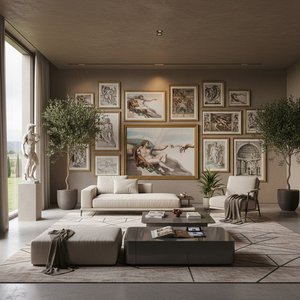
米开朗基罗25幅杰作:文艺复兴巨匠的艺术传奇与家居装饰灵感
探索米开朗基罗25幅杰作,领略文艺复兴巨匠的艺术传奇!从《大卫像》到西斯廷教堂天顶画,深入了解每件作品背后的故事与精湛技艺。OriginalUniqueArt.com提供高品质艺术复制品和家居装饰灵感,点亮您的生活空间。探索完整系列尽在OriginalUniqueArt.com。

Bronze Age to Modern Masters: 10 Sculptures That Redefined Art | OriginalUniqueArt
Journey through art history with 10 legendary bronze sculptures – from Michelangelo's David to Rodin’s Thinker. Explore the stories, techniques & timeless beauty of these masterpieces. Find museum-quality reproductions & elevate your home decor on OriginalUniqueArt.com.

The Enduring Allure of Marble in Art History: From Classical Sculpture to Modern Abstraction
Explore the captivating history of marble sculpture from ancient Greece to modern art. Discover renowned artists like Canova & Michelangelo, carving techniques, and investment insights at OriginalUniqueArt.

Bronze Sculptures That Defined Art History | OriginalUniqueArt
Journey through art history with our Top 10 bronze sculptures! Explore masterpieces by Rodin, Michelangelo & more. Discover stories behind iconic statues and find museum-quality reproductions for your home decor at OriginalUniqueArt.com.