

 发送
发送 分享
分享
 详情
详情 指南
指南

 下载图片
下载图片
 相似作品
相似作品 幻灯片播放
幻灯片播放 统计数据
统计数据Heracles and the Hydra


 阅读全文
阅读全文
艺术微喷/版画
博物馆级艺术微喷或帆布版画,制作高效,并提供多种饰面选择。 ( 订购此收藏品的纯手工复刻画作 切换至数字图像销售渠道)




































您可以从与原作比例一致的预设尺寸中进行选择。

请输入您所需的宽度和高度,以适配您的画框或墙面。由于印刷品只能进行裁剪,无法超出原图尺寸,因此若比例不一致,画面的一部分将会被裁切。在正式印刷之前,我们会为您发送一份数字效果图供您确认。本页面显示的图片并非最终裁剪后的效果——只有效果图才能展示真实的裁剪情况。


 玻璃选项仅适用于110厘米以下的尺寸。

Heracles and the Hydra
艺术微喷/版画
复刻品尺寸说明
-


总计金额
¥ 538
The Epic Struggle: Alessandro Algardi’s “Heracles and the Hydra”
Alessandro Algardi's "Heracles and the Hydra," a monumental marble sculpture dating from around 1630, isn’t merely a depiction of a Greek myth; it’s a visceral embodiment of heroic struggle against overwhelming chaos. This work, now residing in the Museo Capitolino in Rome, stands as a testament to Algardi's mastery of Baroque dynamism and his subtle yet profound approach to portraying both physical strength and emotional depth – a stark contrast to the more flamboyant style favored by his contemporary, Gian Lorenzo Bernini.
The scene unfolds with dramatic intensity. Heracles, rendered in powerful, muscular form, dominates the left side of the composition, wielding his club with decisive force aimed directly at the monstrous Hydra. The serpent-like creature itself is a terrifying spectacle – a writhing mass of multiple heads, each poised to strike, its scales and sinuous body conveying an almost unbearable sense of threat. Algardi doesn’t shy away from the horror; instead, he meticulously captures the unsettling details of the beast's anatomy, emphasizing its grotesque power and relentless aggression. The sculpture isn’t a celebration of victory, but rather a frozen moment of intense engagement in a desperate battle.
A Baroque Masterclass: Technique and Composition
Algardi’s skill as a sculptor is immediately apparent in the meticulous detail of the marble itself. He employed subtractive techniques – carefully removing material to reveal the underlying form – creating a surface that simultaneously conveys both solidity and remarkable texture. The varying shades of gray, achieved through subtle shifts in carving depth, mimic the play of light and shadow on polished stone, lending an almost photographic realism to the scene. Notice how Algardi uses strong diagonal lines to guide the viewer’s eye across the composition, drawing attention to Heracles' determined stance and the Hydra’s menacing coils.
The pyramidal composition—with Heracles forming the apex—creates a sense of stability amidst the surrounding chaos. However, this stability is deceptive; Algardi masterfully employs foreshortening to create an illusion of depth, pulling the viewer into the heart of the struggle. The careful placement of figures, partially obscuring one another, further enhances this spatial effect, contributing to the sculpture’s dramatic impact.
Symbolism and Emotional Resonance
Beyond its narrative power, “Heracles and the Hydra” is rich in symbolic meaning. The myth itself represents a trial of endurance and courage – Heracles' twelve labors were designed to test his strength and resolve. The Hydra, with its regenerative abilities, embodies chaos, corruption, and the relentless forces that threaten order. Heracles’ victory isn’t simply about slaying a monster; it’s about asserting control over the unpredictable and maintaining the integrity of the world.
Algardi subtly infuses the sculpture with an emotional undercurrent. While Heracles displays unwavering determination, his posture suggests a profound strain – a recognition of the immense effort required to overcome such adversity. The terrified expression on Iolaus’ face, as he watches the battle unfold, underscores the perilous nature of this heroic undertaking. The overall effect is one of both awe and apprehension, inviting contemplation on themes of strength, vulnerability, and the cost of victory.
Historical Context and Artistic Legacy
Algardi's work emerged during a period of intense artistic rivalry in Rome, where Bernini’s theatrical style dominated. Yet, Algardi carved out his own distinct voice—one characterized by a restrained elegance, classical ideals, and a profound understanding of human anatomy. His portraits, particularly, are renowned for their lifelike quality and psychological depth.
“Heracles and the Hydra” exemplifies this legacy. It’s a powerful reminder of Algardi's ability to transform ancient myths into compelling works of art that continue to resonate with viewers centuries later. Reproductions of this sculpture offer an exceptional opportunity to bring this dramatic scene into any space, evoking the grandeur and emotional intensity of Baroque artistry.
问答详情
亚历山德罗·阿尔加迪 的《Heracles and the Hydra》 描绘了怎样的场景,又传达了怎样的意境?
"Heracles and the Hydra" 展示了 mythology, heroism, struggle, sculpture, baroque, ancient greece, serpents, combat,其传达的情绪为 Dramatic。
亚历山德罗·阿尔加迪 的《Heracles and the Hydra》 使用的是强烈的对比,还是柔和的和谐?
亚历山德罗·阿尔加迪 的《Heracles and the Hydra》 的色彩构成将 Statement 的对比与 Unified Palette 的和谐融为一体。
Baroque Sculpture 流派的作品 "Heracles and the Hydra" 源自哪个国家?
通过创作者的出生地,《Heracles and the Hydra》将Baroque Sculpture运动与意大利紧密联系在了一起。
艺术家简介
罗马巴洛克时期的博洛尼亚雕塑家
Alessandro Algardi 于 1598 年 7 月 31 日出生于博洛尼亚,在 17 世纪意大利雕塑那充满活力的图景中,他逐渐成长为一位举足轻重的关键人物。尽管人们在讨论他时,往往会将其与那位名声显赫的对手——吉安·洛伦佐·贝尼尼联系在一起,但 Algardi 却开创了属于自己的独特艺术身份。他的艺术根植于古典理想与克制的感性,为贝尼尼那种戏剧性的狂放不羁提供了一种极具魅力的另类选择。他的艺术旅程始于在 Agostino Carracci 门下的学徒生涯,在那里他磨炼了基础技艺,但真正引导他走向雕塑之路的却是 Giulio Cesare Conventi 的教诲。早期的作品,例如为博洛尼亚 Santa Maria della Vita 修道院创作的圣人粉笔雕像,已经预示了他蓬勃发展的天赋,并为他赢得了当地珠宝商以及曼托瓦公爵 Ferdinando I 的委任。这些早期的成功为他的雄心提供了跳板,最终在曼托瓦公爵的引荐下,于 1625 年前往罗马。穿梭于罗马艺术界
当时的罗马是艺术创新与激烈竞争的熔炉,在很大程度上由贝尼尼的精湛技艺以及 Borghese 和 Barberini 等显赫家族的赞助所主导。Algardi 在这座城市的最初岁月,充满了对修复项目和小型委任任务——如陶土小像、肖像胸像——的勤勉工作,试图在这股强大的艺术力量中确立自己的地位。他从 Pietro da Cortona 和 Domenichino 等同行那里获得了支持,这些艺术家敏锐地察觉到了他的潜力,并在获取重大委任极其困难的时期给予了他鼓励。这段早期的奋斗塑造了 Algardi 的艺术轨迹,培养了他对品质的执着追求,并促使他刻意培养出一种区别于当时主流巴洛克美学的风格。他并不满足于仅仅模仿贝尼尼;他的目标是提供一种细腻的对位——一种注入了巴洛克戏剧感的古典主义情怀。丰碑式的成就与艺术风格
Algardi 职业生涯的突破源于圣彼得大教堂内教皇利奥十一世墓葬(1634-1644)的委任。这部宏伟的作品描绘了教皇端坐着做出祝福姿态,身旁环绕着代表“大度”与“慷慨”的寓言人物,这标志着他事业的转折点。它展示了他对解剖学、构图和叙事细节的精湛掌控,同时展现出一种与贝尼尼更为动态的手法形成鲜明对比的克制感。为 Santa Maria in Vallicella 创作的《圣菲利波·内里雕像》(1635-1638)进一步巩固了他的名声,证明了他能够以优雅且充满力量感的方式执行大规模雕塑创作的能力。而极具戏剧性的雕塑群组《圣保罗斩首》(约 1640 年)则揭示了 Algardi 在古典框架内传达强烈情感的能力。他的风格始终强调平衡的构图、庄重的姿态以及对细节的细致入微——这些品质引起了那些寻求贝尼尼式过度戏剧化之外另一种可能性的赞助人的共鸣。随着教皇英诺森十世的继位,他获得了丰厚的赞助,并负责了 Doria Pamphili 别墅的设计监督工作,在那里他贡献了众多的雕塑与喷泉。他的肖像胸像以其庄严的形式感和写实的性格刻画而闻名,备受追捧——收藏于卡皮托利尼博物馆的英诺森十世青铜胸像便是其中的杰出代表。传承与持久的影响
Alessandro Algardi 的影响力超越了他的生命。他影响了后世的一代又一代雕塑家,包括曾在其门下学习、吸收了他古典原则与精湛技艺的 Ercole Ferrata 和 Domenico Guidi。他的名声也跨越了国界,带来了来自西班牙的委任——著名的包括阿兰胡埃斯皇家宫殿的壁炉架以及萨拉曼卡奥古斯丁修道院的墓葬。Algardi 的职业生涯是巴洛克罗马艺术景观中一个引人入胜的案例研究,展示了多位才华横溢的雕塑家如何在推动各自工艺边界的同时,实现共存与竞争。在意大利艺术史上,他不仅作为贝尼尼的对手而存在,更是一位为盛期巴洛克风格做出了独特且持久贡献的雕塑家——这是古典理想在时代动感洗礼下所迸发出的力量证明。1654 年 6 月 10 日,他逝世于罗马,留下了一份关于庄严之美与技术精湛的宝贵遗产,至今仍持续激发着人们的钦佩。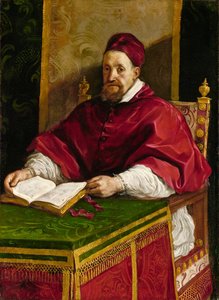
亚历山德罗·阿尔加迪
1598 - 1654 , 意大利
快速概览
- Artistic Movement Or Style: 盛期巴洛克
- Artists Or Movements Influenced By This Artist:
- 埃尔科莱·费拉塔
- 多梅尼科·圭迪
- Artists Who Influenced This Artist:
- 阿戈斯蒂诺·卡拉奇
- 朱利奥·康文蒂
- Date Of Birth: 1598年7月31日
- Date Of Death: 1654年6月10日
- Full Name: 亚历山德罗·阿尔加迪
- Nationality: 意大利
- Notable Artworks:
- 教皇利奥十一世之墓
- 圣菲利普·内里
- 圣保罗被斩首
- 多娜·奥林匹亚胸像
- Place Of Birth: 意大利,博洛尼亚
相关文章

Bronze Age to Modern Masters: 10 Sculptures That Redefined Art | OriginalUniqueArt
Journey through art history with 10 legendary bronze sculptures – from Michelangelo's David to Rodin’s Thinker. Explore the stories, techniques & timeless beauty of these masterpieces. Find museum-quality reproductions & elevate your home decor on OriginalUniqueArt.com.

Theatricality & Triumph: Baroque Drama in Painting & Sculpture
Explore the dramatic world of Baroque art! Discover its history, defining characteristics, & lasting influence on painting & sculpture. Expert insights into Caravaggio, Zurbarán, and Bernini – plus high-quality reproductions at OriginalUniqueArt.

The Enduring Form: Exploring Themes & Techniques in Sculpture Across Historical Periods
Explore the rich history of sculpture from ancient masterpieces to contemporary innovations. Discover key techniques, influential artists & investment potential for discerning art collectors.

The Enduring Form: Sculpture Across History, Technique & Emotional Resonance
Explore the rich history of sculpture with OriginalUniqueArt. Discover key techniques, influential artists & investment potential for discerning collectors. Expert insights into valuing and collecting timeless masterpieces.

Bronze Sculptures That Defined Art History | OriginalUniqueArt
Journey through art history with our Top 10 bronze sculptures! Explore masterpieces by Rodin, Michelangelo & more. Discover stories behind iconic statues and find museum-quality reproductions for your home decor at OriginalUniqueArt.com.