切换至版画销售渠道
 展开全文
展开全文







































 对于任何边长超过 105 厘米(约 41 英寸)的艺术品或复制品,画框将以拆解后的组件形式发货。此方法可确保安全送达并防止运输过程中的损坏。


A Dramatic Descent: Albrecht Altdorfer’s “Nativity”
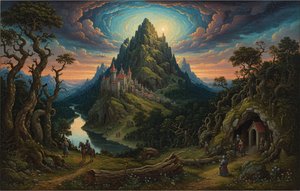
Albrecht Altdorfer's "Nativity," painted around 1513, isn’t merely a depiction of the birth of Christ; it’s a visceral plunge into a realm of profound spiritual struggle and ultimately, fragile hope. This remarkable oil painting, now housed in the National Gallery of Art, stands as a pivotal work, marking a significant shift in European art history – Altdorfer is widely considered one of the first artists to truly embrace landscape as an independent subject, elevating it from mere backdrop to integral participant within the narrative.
The scene unfolds within a subterranean cavern, a chaotic and intensely dramatic space rendered with breathtaking detail. It’s a world sculpted from crumbling architecture, fiery flames licking at shadowed walls, and a palpable sense of impending doom. Yet, amidst this torment, a small group – a woman kneeling before a prone figure (traditionally interpreted as Christ), attended by two men struggling to lift him upwards – embodies the core themes of rescue and redemption. The composition is deliberately complex, layered with multiple figures engaged in desperate attempts at salvation, creating an immersive experience for the viewer that feels both claustrophobic and expansive.
A Baroque Vision Rooted in Northern Tradition
Altdorfer’s style defies easy categorization, yet it firmly resides within the burgeoning German Renaissance while simultaneously drawing heavily from the dramatic intensity of late Gothic and early mannerist traditions. The influence of the Baroque is undeniable – the dynamic composition, the heightened emotionalism, and the masterful use of light and shadow all point to this powerful movement. However, Altdorfer’s work retains a distinctly Northern sensibility, characterized by a ruggedness and an earthy quality that contrasts with the more polished aesthetics prevalent in Italy at the time. The brushwork is deliberately rough and uneven, lending a sense of immediacy and urgency to the scene – it feels as though we are witnessing this struggle unfold before our very eyes.
Technically, Altdorfer employs a layering technique, building up color and texture through multiple applications of oil paint. This creates a rich, almost sculptural surface, particularly evident in the depiction of the flames and the crumbling architecture. The use of perspective is subtly distorted, contributing to the overall feeling of unease and disorientation – it’s not a realistic portrayal but rather an emotionally charged interpretation of the biblical narrative. The color palette leans heavily towards warm tones—reds, oranges, and browns—creating a sense of heat, danger, and desperate urgency, punctuated by the cool blues and purples of the shadows.
Symbolism of Suffering and Salvation
Beyond its immediate visual impact, “Nativity” is laden with symbolic meaning. The subterranean setting immediately evokes themes of suffering, darkness, and the underworld – a direct reference to the biblical accounts of Christ’s death and resurrection. The figures attempting to rescue the prone figure represent humanity's struggle against despair and the desperate yearning for salvation. The angels ascending through the opening in the ceiling symbolize divine intervention and the promise of redemption. The chaotic landscape itself can be interpreted as a metaphor for the human condition – a world fraught with challenges, dangers, and uncertainties.
Notably, Altdorfer’s work reflects the broader anxieties of his time, grappling with questions of faith, mortality, and the relationship between humanity and God. The painting's power lies not just in its dramatic depiction of a biblical event but also in its exploration of universal themes—the struggle against adversity, the search for meaning, and the enduring hope for salvation. It’s a testament to Altdorfer’s ability to transform a familiar story into a profoundly moving and unforgettable work of art.
常见问题与解答
“Nativity”唤起怎样的情感?
阿尔布雷希特·阿尔多费尔 的《Nativity》 所传达的情感基调为 Melancholic,这概括了作品所表达的情绪。
阿尔布雷希特·阿尔多费尔 的《Nativity》 中哪些颜色占据主导地位?
阿尔布雷希特·阿尔多费尔 的《Nativity》 采用了 Earthy 色调,并以 Phthalo Green (#2c1514) 作为主导色。
Baroque 流派的作品 "Nativity" 传达了怎样的情感?
在Baroque运动中,"Nativity"以Melancholic的基调被记录下来。
 实景预览
实景预览
 分享
分享 分享
分享
 详情
详情 指南
指南

 下载作品
下载作品
 相似作品
相似作品 X射线
X射线 幻灯片播放
幻灯片播放 问答
问答 统计数据
统计数据