

 效果预览
效果预览
 分享
分享 分享
分享
 详情
详情

 下载
下载
 相似作品
相似作品 X射线
X射线 幻灯片播放
幻灯片播放 统计数据
统计数据Landscape with a Footbridge
 Oil On Canvas
- WallArt
- Northern Renaissance Landscape
 1518
1518 41.0 x 35.0 cm
 国家美术馆
国家美术馆
 展开详情
展开详情
艺术微喷/版画
博物馆级艺术微喷或帆布版画,制作高效,并提供多种饰面选择。 ( 购买手绘画作 切换至数字图像销售渠道)




P118B $10

P118H $10

P118W $10

P438Z $10

P508JH $12

P508YH $12

P805H $10

P805Z $10

P919BZ $10

P919G $10

P919XJ $10

P959ZH $10

P968JZ $12

W106C $8

W218G $10

W218JH $8

W218Y $10

W307PJ $10

W316G $10

W316PJ $8

W316Y $10

W398PJ $8

W4111J $10

W500HY $15

W500JH $15

W692G $12

W849H $8

W940BG $15

W953PJ $8




从与原作比例一致的预设尺寸中进行选择。

您可以输入自定义尺寸,以适配特定的画框或空间。如果您选择的尺寸与原图比例不符,我们将对作品进行裁剪,或通过镜像填充/纯色填充边缘的方式来扩展图像。在开始制作之前,我们会向您发送一份数字效果图供您确认。
请注意,屏幕上的预览并不能反映实际的裁剪或扩展效果。只有效果图才能准确展示最终的构图。
虽然我们提供定制尺寸,但为了保持原图比例,我们建议您从预设列表中选择尺寸。


 玻璃选项仅适用于110厘米以下的尺寸。

Landscape with a Footbridge
艺术微喷/版画
复制品尺寸
-


最终总价
$ 80
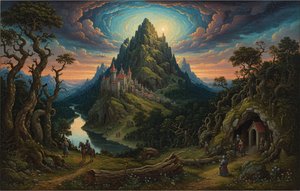
A Pioneering Vision: Albrecht Altdorfer’s ‘Landscape with a Footbridge’
Albrecht Altdorfer's “Landscape with a Footbridge,” painted around 1518-20, stands as a remarkably significant work in the history of European art. More than simply a depiction of a river and mountains, it represents a bold departure – one of the earliest independent landscapes ever conceived by a Western European artist, devoid of human figures. This wasn’t merely an exercise in observation; Altdorfer was actively reshaping artistic conventions, laying the groundwork for what would become the flourishing German landscape tradition of the Danube School. Born in Regensburg, a vibrant hub on the Danube River, Altdorfer's upbringing instilled within him a deep connection to the natural world – a connection that profoundly informs every brushstroke of this evocative piece.
The painting’s genesis lies not in a specific location but rather in an impressionistic rendering of the Danube valley. Altdorfer, a man deeply involved in civic life as both architect and council member, possessed a keen eye for detail and a sophisticated understanding of perspective. Yet, he deliberately eschewed the common practice of including figures within his landscapes, choosing instead to focus entirely on the interplay of light, shadow, texture, and form. This decision elevates the landscape itself to the primary subject – a revolutionary concept at the time.
Composition and Technique: A Study in Detail
The composition is meticulously crafted, drawing the viewer’s eye through a carefully orchestrated arrangement of elements. The dominant feature is undoubtedly the wooden footbridge, its sturdy pillars anchoring the scene and creating a visual pathway that leads towards the distant village. Altdorfer's mastery of oil paint is immediately apparent; he employs a rich, layered technique, building up textures with remarkable precision. Notice the intricate detailing of the bridge’s timbers, the subtle variations in color representing the flowing water, and the almost sculptural quality of the trees that frame the composition.
The artist's use of color is particularly noteworthy. He employs a palette of deep greens, browns, and blues to create a sense of depth and atmosphere. The distant mountains are rendered in muted tones, suggesting their immense scale and remoteness, while the foreground elements – the bridge, trees, and riverbank – are depicted with greater vibrancy. The lighting is carefully considered, casting long shadows that enhance the three-dimensionality of the scene and contribute to its overall mood.
Symbolism and Spiritual Resonance
Beyond its purely visual appeal, “Landscape with a Footbridge” carries significant symbolic weight. The footbridge itself can be interpreted as a metaphor for transition – connecting the earthly realm with the spiritual one. The village, nestled amongst the mountains, represents human civilization, while the vast wilderness symbolizes nature’s untamed power and beauty. Altdorfer's decision to omit figures further emphasizes this duality, suggesting that true understanding comes not from observing humanity but from contemplating the natural world itself.
Furthermore, the painting reflects a growing interest in spirituality during the Renaissance. Altdorfer’s landscapes often evoke a sense of awe and wonder, inviting viewers to contemplate their place within the grand scheme of creation. The towering trees, bathed in sunlight, can be seen as symbols of strength and resilience – qualities highly valued by both artists and patrons of the time.
A Legacy of Innovation
“Landscape with a Footbridge” is not merely a beautiful painting; it’s a pivotal work that fundamentally altered the course of landscape art. By prioritizing the landscape itself as the subject, Altdorfer paved the way for generations of artists who followed in his footsteps. His innovative approach—characterized by meticulous detail, atmospheric perspective, and a profound appreciation for nature—established him as a pioneer of the Northern Renaissance landscape and a key figure within the Danube School. Today, reproductions like this one offer a remarkable opportunity to experience the power and beauty of Altdorfer’s vision, bringing his groundbreaking work into homes and spaces around the world.
艺术家简介
阿尔布雷希特·阿尔多费尔:北方文艺复兴时期风景画的先驱
阿尔布雷希特·阿尔多费尔,约于1480年出生于德国雷根斯堡,是连接晚哥特时期和新兴德国文艺复兴时期的关键人物。他不仅仅是一位时代的艺术家,更积极地重塑了当时的艺术轨迹,尤其是在风景画领域。出身于一个根深蒂固的艺术世家——他的父亲乌尔里希·阿尔多费尔是一位画家和小型绘画师——年轻的阿尔多费尔很快就以其创新精神脱颖而出,而不是作为追随者。雷根斯堡,一座战略性地位于多瑙河上的自由帝国城市,为他早年的形成提供了充满活力的文化背景。这个地理位置深刻影响了他的艺术敏感度,培养了他与自然世界的联系,这成为了他作品的核心。除了他的艺术创作之外,阿尔多费尔还是一位尽职的公民,同时担任城镇建筑师和议员——证明了他多才多艺的天赋。然而,正是通过他的艺术——特别是大约1506年左右的早期版画和素描,例如《圣方济各的圣痕》和《圣耶柔米》——他首先展现出独特的艺术声音,预示着成熟风格中那种强烈的情感和一丝不苟的细节。多瑙学派与革命性的视野
阿尔多费尔最著名的是作为多瑙学派的杰出成员,这是一个活跃于16世纪初德国南部地区的有影响力的艺术家团体。这个艺术圈共享一个共同的热情,即探索风景的表现潜力,将其从单纯的背景提升到成为其自身的核心主题。在阿尔多费尔之前,风景画主要用作宗教或历史叙事的场景;他大胆地描绘自然*本身*,赋予其氛围和情感共鸣。“大型云杉”等作品充分体现了这种转变,提供了一幅宁静而精致的自然美景图。大约1511年左右的多瑙河之旅以及深入阿尔卑斯山脉的一次旅行对他艺术发展至关重要。戏剧性的景色、茂密的森林和雄伟的山脉在他心中点燃了一种前所未有的对描绘自然的忠实度和情感的热情。他可以说是第一位现代风景画家,不仅复制了他所看到的东西,而且传达了一种情感反应——一种敬畏感、神秘感,甚至是一种精神联系。这不仅仅是地形的准确性;而是要捕捉*身处*景观中的体验。杰作与艺术影响
阿尔多费尔在其职业生涯中创作了各种各样的作品,包括绘画、版画、素描和建筑设计。他最著名的成就之一是《亚历山大大战于伊苏斯》(1529年),由巴伐利亚公爵威廉四世委托创作。这幅巨大的画作不仅展示了他对构图和细节的掌握,还展示了他创新地运用风景来增强战斗场景的戏剧性张力。旋转的云层、崎岖的山脉以及混乱的士兵混战营造出一种压倒性的能量和壮观感。1513年与马克西米利安一世皇帝在因斯布鲁克合作进一步拓展了他的艺术视野,并为大型项目提供了机会。阿尔多费尔的风格并非孤立形成;他从各种来源汲取了影响。乔尔乔内的诗意抒情、卢卡斯·克拉纳赫老人的富有表现力的人物以及阿尔布雷希特·丢勒的细致细节都对他作品产生了影响。然而,他将这些影响综合成一种独特的个人视野,其特点是强烈的情感、戏剧性的光线和引人入胜的风景。他的版画,例如《沐浴后的维纳斯》,展示了他在这方面的技巧,展现出精致的线条和复杂的细节。遗产与持久的影响
阿尔布雷希特·阿尔多费尔的艺术遗产远远超出了他在一生中创作的55幅面板、120幅素描以及无数版画。他从根本上改变了艺术家们对待风景画的方式,为后代探索其表现潜力铺平了道路。他的影响可以在后来德国浪漫主义画家作品中看到,他们同样寻求捕捉自然崇高的美丽和情感力量。今天,阿尔多费尔的艺术作品在世界各地的主要博物馆收藏中都有展出,包括德国奥斯特德意志画廊博物馆——那里收藏了他的《美丽的雷根斯堡圣母》——以及奥地利奥格斯堡艺术品收藏与博物馆。他创新的精神、精湛的技术和对自然世界的深刻联系继续激励着艺术家并吸引着观众几个世纪以来。他仍然是德国文艺复兴时期的一位杰出人物,一位真正的先驱,敢于将风景画视为不仅仅是景色,而是一种能够唤起深刻情感和精神意义的强大力量。他的作品证明了艺术持久的力量,可以改变我们对周围世界的感知——这种遗产今天仍在与观众产生共鸣。探索阿尔多费尔的多样化作品
除了他标志性的风景画和战斗场景之外,阿尔多费尔的艺术范围还包括宗教主题、神话叙事甚至建筑设计。他对圣经故事的描绘,例如《亚伯拉罕献祭》,都充满了戏剧性的强度和情感深度,使其与早期的诠释不同。他不仅仅是说明经文;他通过信仰的视角探索人类状况。- 版画:阿尔多费尔的版画,如“穆修斯·西维欧拉烧手”,展示了他对线条和细节的掌握,通常传达出一种运动感和戏剧性。
- 素描:他的素描提供了对他创作过程的亲密一瞥,揭示了他的细致观察技巧和富有表现力的阴影运用。
- 建筑设计:作为雷根斯堡的城镇建筑师,阿尔多费尔为这座城市的防御工事和城市规划做出了贡献,展示了他实践性和艺术才能。

阿尔布雷希特·阿尔多费尔
1480 - 1538 , 德国
艺术家简介
- Artistic Movement Or Style: 多瑙学派,文艺复兴
- Artists Or Movements Influenced By This Artist: ['德国浪漫主义画家']
- Artists Who Influenced This Artist:
- 乔尔乔内
- 卢卡斯·克拉纳赫
- 阿尔布雷希特·丢勒
- Date Of Birth: 约1480年
- Date Of Death: 1538年
- Full Name: 阿尔布雷希特·阿尔多费尔
- Nationality: 德国
- Notable Artworks (List Of Titles):
- 亚历山大之战
- 大型云杉树
- 圣乔治与恶龙
- Place Of Birth (City And Country): 德国雷根斯堡
相关文章

日耳曼文艺复兴:人文主义的觉醒与艺术革新 - 重塑欧洲文明的辉煌篇章
探索日耳曼文艺复兴的人文主义与艺术革新!OriginalUniqueArt 提供高品质手绘油画复制品、定制服务及专业艺术咨询,重现大师经典,点亮您的空间。值得信赖的艺术品收藏专家。
Albrecht Dürer's Masterpieces: 25 Iconic Artworks for Your Home | OriginalUniqueArt
Explore 25 iconic artworks by Albrecht Dürer, a master of the German Renaissance. Discover the stories behind Melencolia I, Knight Death and Devil & more. Find museum-quality art reproductions for your home at OriginalUniqueArt.com.
Albrecht Altdorfer: Innovation, Spirituality & the Northern Renaissance Landscape
Explore the groundbreaking art of Albrecht Altdorfer, a pioneer of the Northern Renaissance's Danube School. Discover his innovative landscapes, spiritual symbolism & lasting influence on German painting.

Evoking Nature's Sublime: A Comprehensive Exploration of 19th-Century Landscape Painting
Explore the captivating world of 19th-century landscape painting! Discover renowned artists like Friedrich & Monet, key movements, and find the perfect artwork to bring nature's serenity into your home. Expert insights at OriginalUniqueArt.

浪漫主义画派的十部巨作:定义风景画的艺术传奇
探索浪漫主义风景画的巅峰!本文精选十部经典名作,带您领略莫奈、库尔贝等大师的艺术魅力。感受色彩与光影的诗意,重温自然风光的震撼。OriginalUniqueArt.com为您提供博物馆级别的艺术复制品和个性化家居装饰方案。尽在OriginalUniqueArt.com!

