切换至版画销售渠道
 展开全文
展开全文







































 对于任何边长超过 105 厘米(约 41 英寸)的艺术品或复制品,画框将以拆解后的组件形式发货。此方法可确保安全送达并防止运输过程中的损坏。


Albrecht Altdorfer’s “Landscape with Two Pines”: A Pioneer of Pure Vision
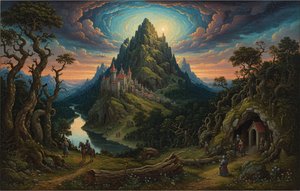
Before the rise of Romanticism and its fervent celebration of nature, there existed a profound shift in European art – the emergence of landscape as an independent subject. Within this pivotal moment stands Albrecht Altdorfer (c. 1480-1538), a master of the Danube School, whose “Landscape with Two Pines” (circa 1521-22) isn’t merely a depiction of scenery; it's a declaration of artistic intent, a bold assertion that nature itself could be the primary focus of a painting. This remarkable work, now housed in the Cleveland Museum of Art, represents one of the earliest examples of a purely landscape composition in Western art – a watershed moment before which natural elements were typically relegated to supporting roles within religious or narrative scenes.
Altdorfer’s background profoundly shaped his artistic vision. Born and raised in Regensburg, a vibrant city situated on the Danube River, he was immersed in a landscape of rolling hills, dense forests, and meandering waterways – a setting that would become inextricably linked to his art. His father, Ulrich Altdorfer, a painter and miniaturist, instilled in him an appreciation for detail and craftsmanship, while the city’s bustling cultural environment exposed him to diverse artistic influences. This confluence of personal experience and artistic lineage fueled his desire to capture the essence of the natural world with unprecedented freedom and expressiveness.
A Mannerist Masterpiece: Line, Texture, and Atmospheric Depth
“Landscape with Two Pines” is a quintessential example of Altdorfer’s distinctive style – a potent blend of late Gothic sensibilities and emerging Renaissance ideals. Executed primarily in monochrome etching on iron, the work showcases his mastery of line as both form and emotion. The composition is dominated by elongated, sinuous lines that delineate trees, rocks, and the distant mountains, creating a sense of dynamic movement and unrestrained energy. These aren’t realistic renderings; rather, they are expressive gestures, imbued with a palpable vitality.
- Line as Form: Altdorfer utilizes hatching and cross-hatching techniques to build up tonal variations and simulate texture – the rough bark of trees, the weathered surface of rocks, and the shimmering water.
- Atmospheric Perspective: The artist employs a subtle sense of atmospheric perspective, with distant elements rendered in lighter tones and less detailed lines, creating an illusion of depth and recession into the landscape.
- Expressive Distortion: Altdorfer deliberately distorts forms and proportions, embracing a Mannerist aesthetic characterized by elongated figures, exaggerated perspectives, and a heightened sense of drama. This isn’t about replicating reality; it's about conveying feeling and mood.
The choice of monochrome etching is particularly significant. It forces the viewer to focus on line and texture, intensifying the emotional impact of the scene. The lack of color amplifies the sense of solitude and contemplation, inviting a deeper engagement with the landscape’s inherent beauty.
Symbolism and the Human Connection to Nature
While “Landscape with Two Pines” is undeniably a pioneering work in its depiction of pure landscape, it also subtly hints at symbolic meaning. The two prominent pines, anchoring the composition, can be interpreted as symbols of resilience, endurance, and perhaps even spiritual fortitude. The solitary figure seated beneath one of the trees – a detail often overlooked – suggests a connection between humanity and nature, a moment of quiet contemplation amidst the vastness of the wilderness.
Altdorfer’s approach to landscape reflects a broader shift in artistic thinking during this period. He moved away from the traditional role of landscape as a mere backdrop for human drama, recognizing its intrinsic value as an independent subject worthy of artistic exploration. “Landscape with Two Pines” stands as a testament to his vision – a groundbreaking work that paved the way for future generations of landscape painters and forever altered the course of Western art.
A Legacy of Vision: Reproductions and Artistic Inspiration
Today, “Landscape with Two Pines” continues to captivate viewers with its raw energy, expressive power, and profound connection to nature. High-quality reproductions offer a remarkable opportunity to experience the work’s intricate details and atmospheric depth. Its influence can be seen in the works of later landscape painters, including Caspar David Friedrich, who further developed the Romantic tradition of celebrating the sublime beauty of the natural world. Whether admired as a historical masterpiece or simply appreciated for its aesthetic qualities, “Landscape with Two Pines” remains a powerful reminder of Albrecht Altdorfer’s visionary genius and his enduring contribution to the history of art.
常见问题与解答
"Landscape" 与 阿尔布雷希特·阿尔多费尔 的其他作品有何共通之处?
"Landscape" 与 阿尔布雷希特·阿尔多费尔 的其他作品一样,都体现了 Mannerist 风格以及其一贯的主题:renaissance landscape, danube school style, biblical narrative hints, early landscape pioneer, imperial court patronage, altdorfer's visionary", expressive line dominance, nature as spiritual force"。
阿尔布雷希特·阿尔多费尔 的《Landscape》 的亮度如何?
"Landscape" 的色彩呈现出 Bright Balance 的亮度。
阿尔布雷希特·阿尔多费尔 的《Landscape》 属于哪种艺术流派,又处于哪个时代?
阿尔布雷希特·阿尔多费尔 的《Landscape》 属于 Mannerist 流派,创作于其作者的 文艺复兴 时期。
 实景预览
实景预览
 分享
分享 分享
分享
 详情
详情 指南
指南

 下载作品
下载作品
 相似作品
相似作品 X射线
X射线 幻灯片播放
幻灯片播放 问答
问答 统计数据
统计数据