
 实景预览
实景预览
 发送
发送 分享
分享
 详情
详情 指南
指南

 下载图片
下载图片
 相似作品
相似作品 X射线
X射线 幻灯片播放
幻灯片播放 统计数据
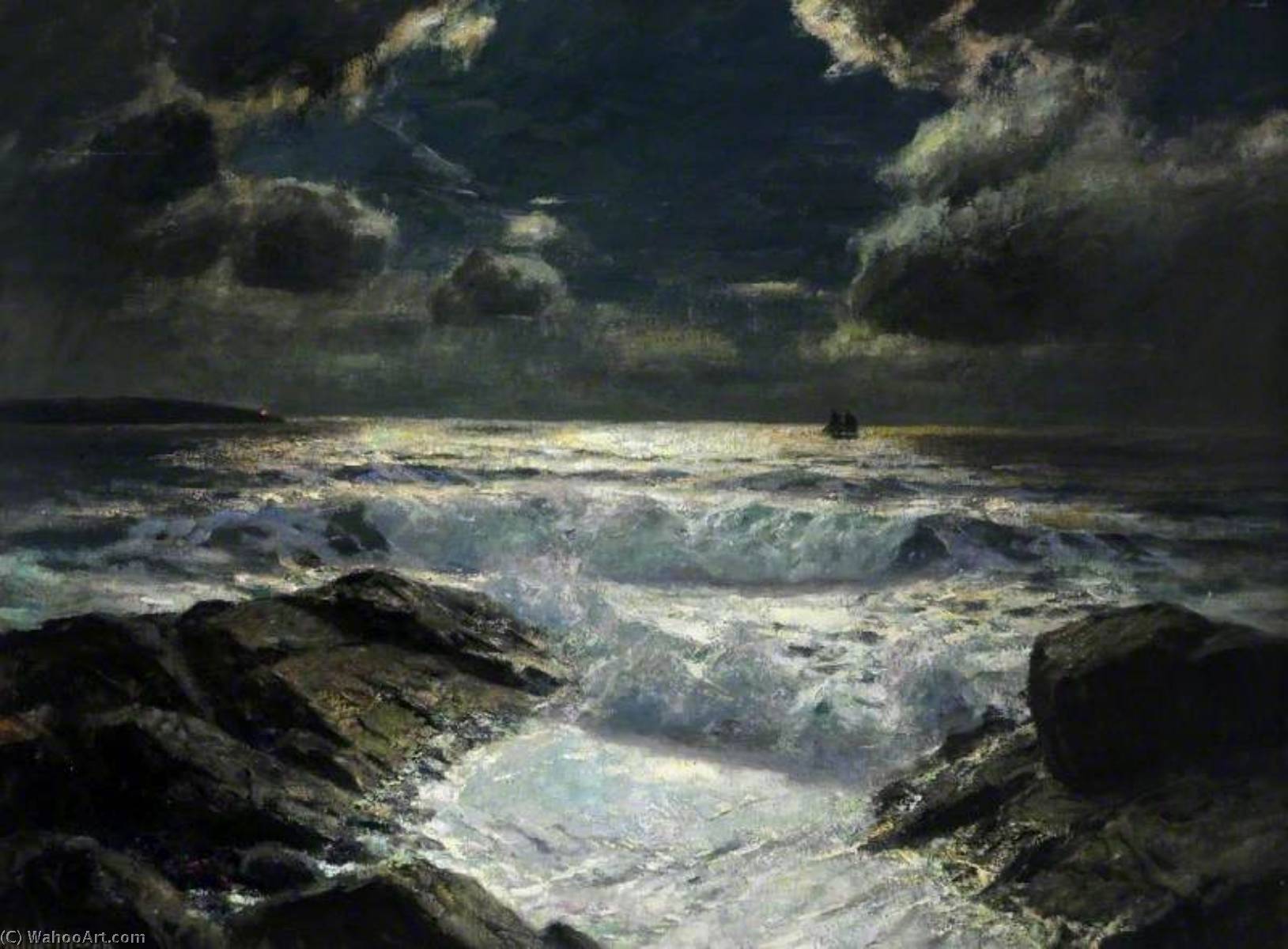
统计数据Cloudy Moonlight
 1900
1900 75.0 x 101.0 cm
 Doncaster Museum And Art Gallery
 阅读全文
阅读全文
购买高分辨率增强版数字图像,其品质远超在线预览。
每一份文件都由我们的内部专家使用先进工具与专业的后期润色技术精心打造。我们确保每一张图像都具备卓越的清晰度、精准的色彩还原度以及细腻的细节表现。
最终文件将在 72 小时内通过电子邮件交付,并针对专业、编辑及印刷用途进行了优化。其品质与顶级设计工作室、出版社和画廊所信赖的标准完全一致。
数字图像
下载高分辨率文件,用于个人展示、打印及创意项目。 ( 切换至版画销售渠道 订购此收藏品的纯手工复刻画作)
每份数字图像订单均包含的内容
专业级数字交付,品质无忧
选择 OriginalUniqueArt.com,您获得的不仅仅是一张图像——您收到的是经过专业级增强、精雕细琢的数字艺术作品,并享有满意保证。以下是您的订单中自动包含的所有内容:

即时邮件交付
您的高分辨率数字图像文件将在下单后 72 小时内通过电子邮件发送给您 —— 即可立即使用。

AI 增强型数字图像
您的艺术品经过专业优化,结合先进的 AI 技术与人工修饰,确保呈现极致的细节、清晰度与色彩准确度。

终身免费重发服务
不小心删除了文件或找不到了?没关系——我们将随时为您免费重发。

无需进口税费,始终如一
即刻拥有您的艺术作品,无需支付任何关税、税费或运费——数字下载始终免税。

色彩精准保障
我们通过专业工具与色彩管理技术,确保您的数字图像尽可能真实地还原原作色彩。

100天满意保证
如果您对所购数字图像不满意,我们将在100天内为您进行修改或提供100%的全额退款——无需任何理由。

100% 退款保证
不满意?在收到数字文件后的100天内,您可以申请全额退款——无需任何理由。

批量订购优惠
购买 3 张享 10% 折扣 - 购买 5 张享 15% 折扣 - 购买 10 张以上享 20% 折扣。非常适合创意项目、画廊及机构使用。
The Artistic Vision
The scene unfolds under a dark sky, with waves crashing against rocks, and two boats visible in the distance. The image conveys the power of nature as it unleashes its fury upon the shoreline. Light and shadow are masterfully intertwined, creating an aura of mystery and intrigue. This piece is a prime example of Olsson's skill in capturing the essence of the natural world.Similar Works and Artists
For those who appreciate the beauty of seascapes, other notable works include Sailing off the Coast by Alfred Thompson Bricher, available on OriginalUniqueArt.com, and Tempest by cape Aiya 1 by Ivan Aivazovsky, also found on OriginalUniqueArt.com. These pieces showcase the artists' ability to convey the majesty and power of the sea.- Howard Russell Butler's Untitled (Seascape) is another notable work, available on OriginalUniqueArt.com.
- For more information on artists like Pauleus Vital, visit OriginalUniqueArt.com.
The National Trust for Scotland is also worth exploring, as mentioned in the document on OriginalUniqueArt.com, for its conservation efforts and promotion of Scotland's natural and cultural heritage.
问答详情
"Cloudy Moonlight" 的规格与尺寸是多少?
Albert Julius Olsson 的《Cloudy Moonlight》 是一幅尺寸为 75 x 101 cm 的 Landscape 作品。
在哪里可以找到关于“Cloudy Moonlight”的指南?
针对 Albert Julius Olsson 的《Cloudy Moonlight》,我们提供了一个 指南 页面:这是一份可打印的艺术品资料页,专为学生及课堂教学使用而设计。
在购买之前,我可以在自己的墙上预览 Albert Julius Olsson 的《Cloudy Moonlight》 吗?
通过兼容设备访问 Albert Julius Olsson 的《Cloudy Moonlight》 的 AR 预览 页面,即可利用增强现实技术将艺术品呈现在您自己的空间中。
艺术家简介
Albert Julius Olsson: A Mariner’s Eye on the Cornish Coast
Albert Julius Olsson (1864-1942) wasn't merely a painter; he was an embodiment of the spirit of his time – a keen yachtsman, a dedicated teacher, and a master of capturing the ever-shifting moods of the British coastline. Born in Islington, London, to Swedish parents, Olsson’s early life instilled within him a deep appreciation for both seafaring traditions and artistic observation. This unique blend would profoundly shape his distinctive style and enduring legacy as one of the most significant figures of the St Ives School of Artists.
Olsson's artistic journey began modestly in 1887 with an exhibited painting of Newlyn, a fishing village on Cornwall’s south coast. It wasn’t until 1890 that he achieved recognition at the Royal Academy, marking a pivotal moment in his career. This initial acceptance paved the way for membership in the New English Art Club in 1891 and established him as an artist with considerable promise. Crucially, it was during this period that Olsson made his permanent move to St Ives, a decision that would define both his artistic output and his contribution to the burgeoning art community of Cornwall.
- The St Ives School: Olsson’s arrival in St Ives coincided with a remarkable flowering of artistic talent. He quickly became associated with the influential St Ives School, alongside luminaries like Louis Grier and Algernon Talmage. However, unlike his colleagues who often focused on capturing the vibrant colors of the town itself, Olsson dedicated himself primarily to depicting the sea – its power, its tranquility, and its ever-changing light.
- A Teacher’s Influence: While lacking formal artistic training, Olsson possessed an innate ability to guide and inspire younger artists. He became a beloved mentor, imparting his knowledge of technique and observation to a generation of painters including Mary McCrossan, Richard Hayley Lever, Emily Carr, and John Anthony Park. His influence extended beyond mere instruction; he fostered a spirit of experimentation and encouraged his students to embrace the unique qualities of the Cornish landscape.
- Royal Recognition: Olsson’s dedication was ultimately rewarded with election as an Associate Royal Academician in 1914 and, later, as a full Royal Academician in 1920. These honors underscored his artistic merit and cemented his place within the established British art world.
The Language of the Sea
Olsson’s paintings are instantly recognizable for their evocative portrayal of the sea. He wasn't interested in simply rendering a seascape; he sought to capture its *essence* – its dynamism, its mystery, and its profound connection to human experience. His brushstrokes were often loose and expressive, conveying the movement of waves and the shifting patterns of light with remarkable immediacy.
His technique was rooted in observation, honed through countless hours spent cruising his yacht along the Cornish coast. He meticulously studied the interplay of light on water, the subtle variations in color, and the way the sea responded to the changing weather conditions. This intimate knowledge is evident in his paintings – they are not merely representations of a scene but rather powerful expressions of the sea’s spirit.
- Impressionistic Approach: Olsson's style leaned towards impressionism, prioritizing capturing fleeting moments and atmospheric effects over precise detail. He used broken brushstrokes and vibrant colors to create a sense of movement and luminosity.
- Color Palette: His color palette was dominated by blues, greens, and greys – the dominant hues of the sea and sky. However, he skillfully employed touches of yellow, orange, and red to capture the brilliance of sunsets and the reflections of light on the water’s surface.
- Compositional Techniques: Olsson often utilized a dynamic compositional approach, employing diagonal lines and asymmetrical arrangements to create a sense of movement and drama.
Beyond the Canvas: A Life at Sea and in Service
Olsson’s life extended far beyond his artistic pursuits. He was an avid yachtsman, spending much of his time exploring the Cornish coastline by sea. This intimate connection with the ocean profoundly influenced his art, providing him with a deep understanding of its rhythms and moods.
During World War I, Olsson’s maritime expertise proved invaluable to the Royal Navy. He served as a lieutenant in the RNVR, advising on the camouflage of naval ships – a testament to his keen observational skills and practical knowledge.
Later in life, he established St Eia Hotel with his wife Kathleen, creating a hub for artists and visitors alike. The hotel’s location overlooking Carbis Bay provided an inspiring backdrop for his work and fostered a vibrant artistic community.
A Lasting Legacy
Albert Julius Olsson died in Dalkey, near Dublin, in 1942, leaving behind a substantial body of work that continues to captivate viewers today. His paintings are held in museums throughout the United Kingdom and beyond, serving as enduring reminders of his artistic vision and his profound connection to the Cornish coast.
Olsson’s legacy extends beyond his individual achievements; he played a crucial role in shaping the St Ives School of Artists and inspiring generations of painters. His paintings are not simply beautiful images but windows into a world of maritime beauty, observation, and artistic passion – a testament to a life lived fully on the water and dedicated to capturing its ever-changing splendor.

Albert Julius Olsson
1864 - 1942
概览
- Full Name: Albert Julius Olsson
- Nationality: British
- Date Of Birth: 1864
- Date Of Death: 1942
- Place Of Birth: Islington, London
- Notable Artworks:
- Sea and Sunset Glow
- A Port Scene with Shipping
- Sunset at Land’s End
- Artistic Movement Or Style: Maritime art, St Ives School
- Artists Who Influenced This Artist:
- Louis Grier
- Algernon Talmage
- Artists Or Movements Influenced By This Artist: ['Mary McCrossan']