

 实景预览
实景预览
 发送
发送 分享
分享
 详情
详情 指南
指南

 下载图片
下载图片
 相似作品
相似作品 X射线
X射线 幻灯片播放
幻灯片播放 统计数据
统计数据A Musician


 阅读全文
阅读全文
艺术微喷/版画
博物馆级艺术微喷或帆布版画,制作高效,并提供多种饰面选择。 ( 订购此收藏品的纯手工复刻画作 切换至数字图像销售渠道)




P118B ¥10

P118H ¥10

P118W ¥10

P438Z ¥10

P508JH ¥12

P508YH ¥12

P805H ¥10

P805Z ¥10

P919BZ ¥10

P919G ¥10

P919XJ ¥10

P959ZH ¥10

P968JZ ¥12

W106C ¥8

W218G ¥10

W218JH ¥8

W218Y ¥10

W307PJ ¥10

W316G ¥10

W316PJ ¥8

W316Y ¥10

W398PJ ¥8

W4111J ¥10

W500HY ¥15

W500JH ¥15

W692G ¥12

W849H ¥8

W940BG ¥15

W953PJ ¥8




您可以从与原作比例一致的预设尺寸中进行选择。

请输入您所需的宽度和高度,以适配您的画框或墙面。由于印刷品只能进行裁剪,无法超出原图尺寸,因此若比例不一致,画面的一部分将会被裁切。在正式印刷之前,我们会为您发送一份数字效果图供您确认。本页面显示的图片并非最终裁剪后的效果——只有效果图才能展示真实的裁剪情况。


 玻璃选项仅适用于110厘米以下的尺寸。

A Musician
艺术微喷/版画
复刻品尺寸说明
-


总计金额
¥ 538
A Musician by Albert Joseph Moore: An Echo of Classical Grace
Albert Joseph Moore’s “A Musician,” painted circa 1867, is more than just a depiction of an ancient scene; it's a carefully constructed tableau brimming with romanticism, classical ideals, and a subtle yearning for harmony. Housed within the Yale Center for British Art, this oil on canvas invites us into a meticulously rendered world where music, beauty, and contemplation intertwine. The painting immediately establishes a sense of serene elegance, transporting the viewer to a space that feels both timeless and deeply personal.
The composition centers around three figures: a seated woman, her gaze fixed intently upon a musician playing a lyre – likely an instrument associated with Apollo himself. A second figure stands beside her, adding a layer of quiet formality to the scene. The architectural backdrop, though somewhat indistinct, suggests a classical interior, perhaps a temple or palace chamber, lending gravitas and reinforcing the painting’s connection to antiquity. Moore masterfully employs triangular composition, creating visual stability while simultaneously drawing our attention to the central figures. Notice how the musician's posture subtly directs the viewer's eye towards the woman, establishing a dynamic relationship between performer and listener.
A Palette of Warmth and Refined Detail
Moore’s color palette is dominated by rich, warm tones – deep yellows, golds, and soft pinks – punctuated by subtle browns and muted greens. These hues evoke a sense of luxuriousness and intimacy, bathing the scene in a gentle, diffused light. The artist's brushwork is remarkably detailed, particularly evident in the rendering of the drapery, which flows with an almost ethereal quality. Observe how he captures the folds and textures of fabric, suggesting both weight and movement. The skin tones are rendered with a delicate smoothness, contributing to the overall impression of idealized beauty – a hallmark of Moore’s aesthetic.
Technically, “A Musician” exemplifies Moore's mastery of academic realism, informed by his deep appreciation for classical art. He skillfully utilizes linear perspective to create depth within the architectural space, subtly receding forms into the background. The delicate lines delineating details – from the folds of the clothing to the intricate carvings on the unseen architecture – demonstrate a meticulous attention to craft. The layering and blending techniques employed in oil painting are evident in the smooth transitions between colors and tones, creating a luminous effect that enhances the painting’s overall beauty.
Symbolism and Emotional Resonance
Beyond its formal qualities, “A Musician” is rich with symbolic meaning. The lyre itself represents music, knowledge, and divine inspiration – connecting the scene to ancient mythology. The seated woman's attentive gaze suggests a profound appreciation for the musician’s performance, perhaps representing the pursuit of beauty or the contemplation of higher ideals. The overall atmosphere is one of serenity and refined elegance, inviting viewers to pause and reflect on the power of music to evoke emotion and inspire the soul.
Moore's work reflects the Aesthetic Movement, a late 19th-century artistic current that emphasized beauty, feeling, and individualism. He sought to capture not just outward appearances but also the inner emotional states of his subjects. “A Musician” is a testament to this philosophy, offering a glimpse into a world where art serves as a conduit for experiencing profound beauty and contemplation. It’s a painting that lingers in the memory long after viewing, prompting us to consider the timeless appeal of music, art, and human connection.
问答详情
阿尔伯特·约瑟夫·摩尔 的《A Musician》 的对比度有多强?
阿尔伯特·约瑟夫·摩尔 的《A Musician》 在明暗区域之间呈现出 Gentle 的对比度。
在哪里可以观赏到 阿尔伯特·约瑟夫·摩尔 的《A Musician》 的原作?
您可以在 耶鲁英国艺术中心, New Haven, United States of America 欣赏到原件《A Musician》。
“A Musician”是如何融入 阿尔伯特·约瑟夫·摩尔 的主题与风格之中的?
"A Musician" 与 阿尔伯特·约瑟夫·摩尔 的其他作品一样,都体现了 Academic Realism 风格以及其一贯的主题:ruskin influence, classical ideals, aesthetic movement, luxury themes, decorative art, opulent settings, female form, idealized beauty。
艺术家简介
早年生活与教育
阿尔伯特·约瑟夫·摩尔 (Albert Joseph Moore) 是一位享誉盛名的英国画家,于1841年9月4日出生于英国约克。他出身于一个艺术氛围浓厚的家庭,是著名肖像画家威廉·摩尔与其第二任妻子莎拉·科林汉的第十三子、第十四名子女。在他的众多兄弟中,也有好几位接受了专业的艺术教育,其中包括著名的海景画家皇家艺术学会院士亨利·摩尔。阿尔伯特在约克的霍尔盖大主教学校和圣彼得学校接受了系统的教育,并在父亲的悉心指导下,从小便打下了深厚的绘画与素描功底。艺术生涯
摩尔早期的作品深受拉斯金的影响。早在1857年,他便已在皇家艺术学会展出作品,其中包括金翅雀与林鹬。随着时间的推移,他的艺术风格逐渐演变,并在19世纪60年代呈现出鲜明的新古典主义特征。这一时期,摩尔不仅为莫里斯、马歇尔、福克纳及公司设计瓷砖、壁纸和彩色玻璃,还担任过教堂及民居的壁画画家,其创作触角广泛延伸至装饰艺术领域。代表作品与风格
摩尔的绘画作品通常以比例匀称的单人女性形象为核心,辅以新古典主义风格的衣褶与花卉饰品,这使他成为了唯美主义运动的重要奠基者之一。他的部分杰作包括:- 大理石座椅 (1865),这是一系列纯粹追求装饰美感的长篇作品
- 以利亚的祭献 (1863),展现了福德·马多克斯·布朗与爱德华·阿米蒂奇对其风格的影响
- 季节与风之爱,这是他为麦卡洛先生创作的最为精细且耗费心血的作品之一
博物馆与收藏
摩尔的艺术瑰宝散见于各大博物馆之中,其中包括:- 约克博物馆信托基金会(英国约克),馆藏有如《金纽草》等重要画作
- 伦敦皇家艺术学会,摩尔曾在此频繁展出其作品
传承与晚年
在社交与艺术抉择上,摩尔始终坚持独到的个人判断,这种不随波逐流的性格有时也成为了他进入皇家艺术学会核心成员行列的阻碍。尽管晚年深受痛苦且无法治愈的疾病折磨,摩尔仍坚持创作,直至1893年9月25日溘然长逝。 推荐阅读:
阿尔伯特·约瑟夫·摩尔
1841 - 1893 , 英国
快速概览
- Artistic Movement Or Style: 唯美主义运动
- Artists Who Influenced This Artist:
- 拉斯金
- 福特·马多克斯·布朗
- 爱德华·阿米蒂奇
- Date Of Birth: 1841年9月4日
- Date Of Death: 1893年9月25日
- Full Name: 阿尔伯特·约瑟夫·摩尔
- Nationality: 英国
- Notable Artworks:
- 大理石座椅
- 以利亚的祭献
- 季节与风之爱
- Place Of Birth: 英国,约克
相关文章

Mastering Reality: A Definitive Guide to the Precision and Elegance of Academic Realism
Explore the profound elegance of Academic Realism. Discover the rigorous techniques, historical context, and anatomical precision that define this timeless movement through an expert art-history lens.

Mastering Perfection: A Definitive Guide to the Elegance and Precision of Academic Classicism
Explore the rigorous beauty of Academic Classicism. Discover the principles of order, precision, and historical reverence that define this timeless art movement through an expert guide to its enduring legacy and technical mastery.

The Beauty of Perfection: A Journey Through the Rigor and Radiance of Academic Realism
Explore the profound elegance of Academic Realism. Discover how meticulous observation, anatomical precision, and the pursuit of ideal beauty created a timeless legacy of technical mastery and emotional depth in the world's most revered art academies.
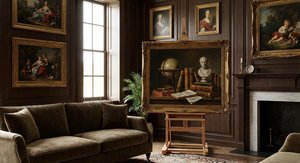
Academic Realism's Finest: 10 Masterpieces for Art Lovers & Home Decor
Explore 10 defining Academic Realism masterpieces by Bouguereau, Gérôme & Cabanel. Discover the stories behind these iconic paintings and bring timeless art into your home with museum-quality reproductions from OriginalUniqueArt.com. Explore the full collection online!
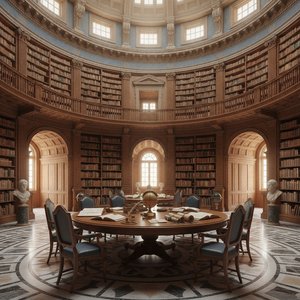
The Timeless Elegance of Academic Classicism: A Journey Through Order, Precision, and the Pursuit of Perfection
Explore the profound beauty of Academic Classicism. Discover how masters used order, precision, and classical ideals to achieve timeless perfection in art history, from Neoclassical portraits to the pursuit of ideal beauty.