

 实景预览
实景预览
 发送
发送 分享
分享
 详情
详情 指南
指南

 下载图片
下载图片
 相似作品
相似作品 X射线
X射线 幻灯片播放
幻灯片播放 统计数据
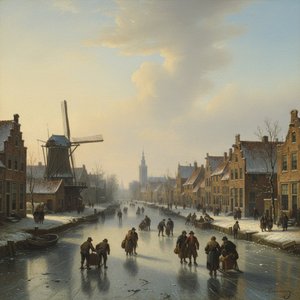
统计数据River Landscape at Sunset
 Oil On Canvas
- WallArt
- Dutch Golden Age Landscape
 1650
1650 46.0 x 63.0 cm
 玛乌里诗博物馆
 阅读全文
阅读全文
手工油画复制品
由我们的艺术家按需定制,为您提供您所选尺寸及画框的布面手工油画。 ( 切换至版画销售渠道 切换至数字图像销售渠道)




P118B $10

P118H $10

P118W $10

P438Z $10

P508JH $12

P508YH $12

P805H $10

P805Z $10

P919BZ $10

P919G $10

P919XJ $10

P959ZH $10

P968JZ $12

W106C $8

W218G $10

W218JH $8

W218Y $10

W307PJ $10

W316G $10

W316PJ $8

W316Y $10

W398PJ $8

W4111J $10

W500HY $15

W500JH $15

W692G $12

W849H $8

W940BG $15

W953PJ $8




您可以从与原作比例一致的预设尺寸中进行选择。

您可以输入自定义尺寸,以适配特定的画框或空间。如果所选尺寸与原图比例不符,我们将通过裁剪作品或添加手绘元素来扩展画面。数字样稿将在制作开始前发送给您确认。
请注意,屏幕预览无法准确反映实际的裁剪或扩展效果,只有样稿才能真实呈现最终的构图。
虽然我们提供定制尺寸服务,但为了保留原作比例,建议您从预设列表中选择尺寸。
下单后,OriginalUniqueArt.com 团队将通过电子邮件联系客户获取具体要求,并提供效果预览图


 玻璃选项仅适用于110厘米以下的尺寸。

River Landscape at Sunset
复制品材质
复刻品尺寸说明
-


总计金额
$ 300
A Portrait of Tranquility: Exploring Aert van der Neer’s ‘Landscape at Sunset’
Aert van der Neer (c. 1603 – 9 November 1677) occupies a unique position within the annals of Dutch Golden Age landscape painting—a visionary who eschewed grand panoramas for intimate portrayals of nocturnal landscapes bathed in moonlight and the quiet majesty of winter’s frozen grip. Unlike many artists of his era preoccupied with idealized pastoral scenes or monumental vistas, van der Neer possessed an unwavering dedication to capturing subtle atmospheric nuances and conveying profound psychological realism within genre painting.
His artistic breakthrough arrived during a period marked by significant intellectual ferment—the burgeoning influence of Cartesian philosophy challenged traditional notions of perception and emotion. This philosophical shift profoundly impacted van der Neer’s approach to art, prompting him to delve beyond mere visual representation and strive to evoke feelings of melancholy and contemplation within the viewer.
“Landscape at Sunset,” painted circa 1650, exemplifies this distinctive style. The canvas depicts a river bathed in the fiery hues of twilight—a scene rendered with meticulous detail and infused with an unmistakable sense of stillness. Scattered amongst the trees lining the waterway are several boats carrying passengers, their presence punctuating the expansive vista.
- Style: Van der Neer’s oeuvre is characterized by a profound sensitivity to light—particularly moonlight—which he skillfully employed to illuminate his nocturnal landscapes with an ethereal glow. This technique distinguishes him from contemporaries who favored brighter palettes and more assertive brushstrokes.
- Technique: Employing the oil-on-canvas medium, van der Neer achieved remarkable tonal gradation through layering thin glazes of pigment—a painstaking process that allowed him to capture the subtle textures and nuances of winter snow and frozen water surfaces.
Beyond its aesthetic merits, “Landscape at Sunset” resonates with deeper symbolic significance. The darkened sky serves as a metaphor for introspection and spiritual contemplation—inviting viewers to confront their own inner anxieties and uncertainties. Simultaneously, the river symbolizes fluidity and change—a reminder that even amidst apparent tranquility, life continues to unfold beneath the surface.
“Landscape at Sunset” transcends mere depiction; it aspires to communicate an emotional state—one of profound melancholy yet simultaneously imbued with a sense of sublime beauty. This masterful achievement solidified van der Neer’s reputation as one of the foremost practitioners of psychological realism within Dutch landscape painting, ensuring his enduring legacy as an artist who captured the essence of human experience.
Historical Context: The Dawn of Atmospheric Impressionism
Van der Neer's artistic endeavors unfolded against a backdrop of intellectual and cultural transformation—the rise of Cartesian philosophy fundamentally altered perceptions of reality. This paradigm shift encouraged artists to prioritize subjective experience over objective observation, propelling them toward innovative techniques that sought to convey emotional resonance.
Furthermore, the Dutch Republic experienced considerable political instability during van der Neer’s lifetime—characterized by recurrent conflicts with neighboring powers and internal divisions among factions vying for influence. These turbulent circumstances undoubtedly shaped his artistic sensibilities—underscoring the importance of confronting existential anxieties within his evocative landscapes.
Symbolism: Moonlight, Melancholy, and the Passage of Time
The pervasive use of moonlight in van der Neer’s paintings transcends mere illumination; it embodies profound symbolic concepts—representing introspection, spiritual contemplation, and the elusive nature of truth. Similarly, the melancholic tone that permeates his canvases reflects a broader cultural preoccupation with mortality and decay.
Moreover, the depiction of winter landscapes—particularly those overlooking canals—serves as a poignant reminder of the cyclical rhythms of existence—the inevitable decline of beauty and vitality followed by renewal and regeneration. These symbolic motifs contribute to the enduring power of van der Neer’s art to provoke contemplation and inspire emotional response.
Emotional Impact: Capturing the Sublime
Ultimately, “Landscape at Sunset” achieves its remarkable emotive impact through masterful manipulation of light and color—creating a visual experience that transcends mere representation. The artist's deliberate use of tonal gradation—achieved through painstaking layering techniques—captures the subtle textures and nuances of winter snow and frozen water surfaces.
More importantly, van der Neer’s work compels viewers to confront fundamental questions about human existence—inviting them to contemplate their own vulnerabilities and anxieties amidst the grandeur of nature. This profound engagement with psychological themes distinguishes him from contemporaries who prioritized decorative splendor over intellectual depth—ensuring his enduring place as a pioneer of sublime landscape painting.
艺术家简介
艾特·范·德·内尔:月光与冬日风景的大师
艾特·范·德·内尔(约1603年 – 1677年11月9日)是荷兰黄金时代风景画中一个独一无二的存在。他以那令人心驰神往、如梦似幻的夜景描绘而闻名,画面中沐浴在空灵月光下的景象,以及冬日风景中那份清冷而静谧的氛围——尤其是那些俯瞰运河与河流的视角——都散发着一种摄人心魄的美感。不同于许多偏好宏大远景或理想化田园风光的同辈画家,范·德·内尔专注于捕捉自然界中微妙的气象变化与亲密瞬间,这使他成为了风俗画领域心理现实主义的先驱。他那能够唤起冰封运河的刺骨寒意或午夜天空银色光辉的卓越能力,让观者仿佛能直接步入十七世纪荷兰那份宁静之中。早年岁月与艺术基石
关于范·德·内尔成长岁月的记载仍十分稀少,仿佛笼罩在历史的迷雾之中。尽管传记资料显示他大约于1604年出生于荷兰的豪尔赫姆,但他真正的艺术血脉却蕴含在同辈画家的笔触之中。他的艺术启蒙很可能源于对拉斐尔以及约赫姆·规韦茨·坎菲森等影响力深远的画家的接触——后者的风格感悟无疑影响了他初露锋芒的天赋。这种与显赫艺术家族的渊源,为他磨炼技艺及探索视觉表现的新颖方法提供了极佳的土壤。通过早期的艺术浸润,他开始培养出对光影交织作用的独特敏锐度,而这一特质也成为了他终身的艺术标志。月光的语言与绘画技法
范·德·内尔那辨识度极高的艺术风格,一眼便能通过他对光影——特别是月光——及其与火光交织作用的精妙掌控而被认出。他避开了戏剧性的构图,转而追求一种内敛的风景表现,画面中点缀着从事日常活动的生动人物:- 在隆冬时节,于冰封的水道上优雅滑行的滑冰者。
- 在柔软的积雪中挥杆竞技的击球手。
- 在冉冉升起的月光注视下,耐心地等待鱼儿上钩的渔夫。
- 在沉睡小镇那寂静、冰封的小径上穿行的马车雪橇。
传承与历史意义
艾特·范·德·内尔的艺术价值在于他能够将“小”风景提升至具有高度情感共鸣的境界。当其他大师在追求宏伟壮丽时,范·德·内尔却在转瞬即逝与静谧之中寻得伟大。他的作品,如令人屏息的日落时分的冬日风景或描绘荷兰小镇附近生动冬景的作品,都是窥见十七世纪生活的永恒窗口。他始终是荷兰黄金时代的基石,人们铭记他不仅是因为其精湛的技艺,更是因为他捕捉到了黑夜世界灵魂的能力。他的影响力延续至今,改变了我们感知夜晚美感的方式,提醒着我们:即便在最黑暗的时刻,自然界中依然蕴含着深邃而明亮的光辉。
阿特·范·德·内尔
1604 - 1677 , 荷兰
快速概览
- Artistic Movement Or Style: 荷兰黄金时代风景画
- Artists Or Movements Influenced By This Artist: ['阿尔伯特·库伊普']
- Artists Who Influenced This Artist:
- 拉斐尔
- 约赫姆·戈韦茨·坎菲森
- Date Of Birth: 荷兰,阿姆斯特丹 (1604)
- Date Of Death: 1677
- Full Name: 阿尔特·范德内尔
- Nationality: 荷兰
- Notable Artworks:
- 荷兰的冬天:滑冰场景
- 月光下的河流风景
- 带有桥梁的月光风景
- Place Of Birth: 豪尔赫姆
相关文章
Charles Leickert: Capturing the Dutch Golden Age Light – A Comprehensive Study of Technique, Context, and Legacy
Explore the captivating winter landscapes of Charles Leickert, a master of Dutch Golden Age light & atmosphere. Discover his techniques, symbolism, and lasting legacy – a comprehensive study for art enthusiasts and collectors.

荷兰黄金时代:十幅定义艺术史的巨作 | OriginalUniqueArt
探索荷兰黄金时代的艺术巅峰! 伦勃朗、维米尔等大师名作,带您领略巴洛克艺术的辉煌。高清画作、博物馆级品质,点亮您的家居空间。OriginalUniqueArt.com 提供精选艺术复制品和定制装饰方案。立即在线探索全系列!
十七世纪荷兰黄金时代绘画:光影、现实与人文精神的辉煌
深入探索十七世纪荷兰黄金时代绘画的辉煌!解读林布兰、维米尔等大师的光影技巧与人文精神,了解巴洛克风格、风俗画的演变。艺术史专家带您领略珍品收藏,提升艺术鉴赏力。

光影交织的时代:荷兰黄金时代绘画艺术的兴盛与创新
深入探索荷兰黄金时代的绘画艺术:伦勃朗、维米尔等大师的技法与创新,了解巴洛克风格的独特演绎。OriginalUniqueArt提供手绘油画复制、艺术咨询及收藏建议,助您领略经典艺术之美。

荷兰黄金时代绘画:文化创新中的现实主义反思
深入探索荷兰黄金时代绘画的文化创新与现实主义反思。本文解读伦勃朗、维米尔等大师的作品,并结合玛莉特·韦斯特曼的图像学研究,揭示艺术史背后的社会语境与现代性意识觉醒。