
 实景预览
实景预览
 分享
分享 分享
分享
 详情
详情 指南
指南

 下载作品
下载作品
 相似作品
相似作品 X射线
X射线 幻灯片播放
幻灯片播放 问答
问答 统计数据
统计数据Merrymakers in an Inn

- 47.0 x 41.0 cm


 展开全文
展开全文
艺术微喷/版画
博物馆级艺术微喷或帆布版画,制作高效,并提供多种饰面选择。 ( 订购纯手工绘制画作 切换至数字图像销售渠道)




P118B ¥10

P118H ¥10

P118W ¥10

P438Z ¥10

P508JH ¥12

P508YH ¥12

P805H ¥10

P805Z ¥10

P919BZ ¥10

P919G ¥10

P919XJ ¥10

P959ZH ¥10

P968JZ ¥12

W106C ¥8

W218G ¥10

W218JH ¥8

W218Y ¥10

W307PJ ¥10

W316G ¥10

W316PJ ¥8

W316Y ¥10

W398PJ ¥8

W4111J ¥10

W500HY ¥15

W500JH ¥15

W692G ¥12

W849H ¥8

W940BG ¥15

W953PJ ¥8




您可以从与原作比例一致的预设尺寸中进行选择。

请输入您所需的宽度和高度,以适配您的画框或墙面。由于印刷品只能进行裁剪,无法超出原图尺寸,因此若比例不一致,画面的一部分将会被裁切。在正式印刷之前,我们会为您发送一份数字效果图供您确认。本页面显示的图片并非最终裁剪后的效果——只有效果图才能展示真实的裁剪情况。


 玻璃选项仅适用于110厘米以下的尺寸。

Merrymakers in an Inn
艺术微喷/版画
复刻品尺寸
-


最终结算价
¥ 544
A Snapshot of Dutch Life: “Merrymakers in an Inn” by Adriaen van Ostade
Adriaen van Ostade’s “Merrymakers in an Inn,” painted in 1674, isn't merely a depiction of tavern revelry; it’s a poignant window into the everyday realities and social dynamics of 17th-century Holland. This remarkable work, now residing within the esteemed collection of The Art Institute of Chicago, transcends simple genre painting to offer a remarkably intimate portrait of a community bound by shared experience – laughter, drink, music, and the comforting familiarity of a local gathering place.
Van Ostade’s genius lies in his ability to capture not just the outward appearance of his subjects but also their inner lives. The scene unfolds within a rustic tavern, its interior rendered with meticulous detail—the rough-hewn wooden beams supporting the ceiling, the shelves laden with earthenware jugs and tankards, all bathed in the warm, earthy tones characteristic of the artist’s style. These elements immediately establish a sense of groundedness, anchoring the scene firmly in the realities of peasant life.
The Human Tapestry: Characters and Interactions
At the heart of the composition stands a man in blue, holding a brimming glass of wine – a figure that draws the eye with his confident posture and animated expression. To his right, another man is lost in the intricate melodies of a lute, adding an element of musical delight to the scene. Yet, it’s the smaller, more intimate interactions that truly elevate the painting. A woman in a vibrant red dress engages in conversation with a man sporting a black hat; their exchange suggests a shared moment of connection amidst the general merriment. These individual portraits, interwoven within the larger group, reveal a complex social fabric – friendships, rivalries, and unspoken bonds all subtly conveyed through gesture and expression.
Van Ostade’s skill isn't limited to capturing physical likeness; he masterfully utilizes body language to communicate personality and mood. The postures of the figures—leaning forward in conversation, gesturing with enthusiasm, or simply observing the scene—speak volumes about their characters and relationships. The artist avoids idealization, presenting his subjects as they truly were – flawed, boisterous, and undeniably human.
A Baroque Palette: Technique and Style
Executed in oil on panel, “Merrymakers in an Inn” exemplifies the hallmarks of the Dutch Baroque style. Van Ostade’s technique is characterized by a remarkable attention to detail—the textures of the clothing, the grain of the wood, the glint of light on the wine glasses – all rendered with painstaking precision. However, he avoids excessive ornamentation, favoring instead a directness and realism that was highly valued in Dutch painting during this period.
The color palette is deliberately restrained, dominated by earthy tones—browns, ochres, and greys—creating a warm and inviting atmosphere. The striking contrast between the blue of the central figure’s dress and the red of the woman on the left immediately draws the viewer's eye, while the overall lighting scheme emphasizes the intimacy of the scene. This careful orchestration of color and light contributes significantly to the painting’s emotional impact.
Echoes of a Time Past: Historical Context
“Merrymakers in an Inn” offers a valuable glimpse into the social and cultural landscape of 17th-century Holland. Tavern scenes were incredibly popular subjects for Dutch artists, reflecting the importance of communal gatherings and public spaces in daily life. These paintings weren’t simply celebrations of revelry; they often served as social commentary, subtly critiquing excessive drinking or highlighting the virtues of community spirit. Van Ostade's work, like that of his contemporaries, provides a rich tapestry of insights into the lives of ordinary people during a pivotal era in Dutch history.
The painting’s enduring appeal lies in its ability to transport us back in time, allowing us to connect with the shared human experiences depicted within its frame. Whether viewed as a historical document or simply a captivating work of art, “Merrymakers in an Inn” remains a testament to Adriaen van Ostade's artistic skill and his profound understanding of the human condition.
常见问题与解答
“Merrymakers in an Inn”是否一直留在其艺术家的故乡?
不,该作品目前存放于海外。阿德里安·范·奥斯塔德的出生国是荷兰,而收藏有《Merrymakers in an Inn》原件的博物馆则位于United States of America。
在“Merrymakers in an Inn”中,哪种颜色最为醒目?
Espresso (#69493f) 是 阿德里安·范·奥斯塔德 的《Merrymakers in an Inn》 的主导色。
哪里可以买到阿德里安·范·奥斯塔德 的《Merrymakers in an Inn》的手绘复制品?
您可以在阿德里安·范·奥斯塔德 的《Merrymakers in an Inn》的手工油画复刻页面直接订购其手绘复制品:亚麻画布手工油画复制品,按需定制。
艺术家简介
阿德里安·范·奥斯塔德:荷兰风俗画的一生
早年生活与艺术启蒙
- 出生:1610年,出生于荷兰哈勒姆。
- 范·奥斯渡德出身于一个艺术世家;他的父亲扬·范·奥斯塔德是一位挂毯编织师。这种充满艺术气息的成长环境,很可能在潜移默化中培养了他对视觉艺术的早期兴趣。
- 最初的训练:他与兄弟伊萨克·詹斯·范·奥斯塔德最初师从弗兰斯·哈尔斯,这位著名的荷兰黄金时代画家以其生动的肖像画和风俗场景而闻名遐迩。
- 然而,他们在哈尔斯门下的学习时光相对短暂。不久后,他们便逐渐脱离了哈尔斯的风格,开始探索并发展出属于自己独特的绘画语言。
艺术演进与风格形成
- 早期作品(17世纪30年代):范·奥斯塔德早期的画作往往模仿哈尔斯那种松散的笔触,但随后他逐渐精炼了自己的技法。
- 他开始将目光投向风俗场景——即对日常生活的描绘,尤其是那些涉及农民和劳动阶层的人物。
- 独特的艺术风格:他的风格以细腻的细节、微妙的光影运用(明暗对照法)以及对主体人物写实主义的强调而著肠。
- 他能够熟练地捕捉衣物、器物及环境的质感,从而在作品中营造出一种真实不虚的临场感。
- 题材内容:常见的创作主题包括酒馆场景、乡村集市、农民室内生活以及对田园生活的描绘。
传世杰作与艺术成就
- 《感恩祷告》(约1660年):这幅现藏于克利夫兰艺术博物馆的画作被视为他的杰作之一。它完美地展示了他即便在描绘卑微的主题时,也能赋予其尊严与诗意美感的能力。
- 《大笑的农民》(1634年):这件藏于阿姆斯特丹克雷默收藏馆的小型作品极具魅力,展现了他捕捉富有表现力的面部表情与肢体动作的高超技艺。
- 酒馆场景:范·奥斯塔德创作了大量的酒馆题材,为我们窥见17世纪荷兰人的社交生活提供了窗口。这些画作通常描绘了充满活力的聚会,画面中充满了饮酒、抽烟与音乐的喧嚣气息。
- 风景画:虽然他主要以风俗画闻名,但他同时也创作了风景画,作品中常包含质朴的乡村背景以及从事日常劳作的人物。
艺术影响与历史地位
- 弗兰斯·哈尔斯的影响:他在弗兰斯·哈尔斯门下的初步训练,为他掌握荷兰绘画技法和风俗题材奠定了坚实的基础。
- 与小大卫·特尼尔斯的比较:艺术史学家经常将范·奥斯塔德的作品与另一位杰出的风俗画家小大卫·特尼尔斯进行对比。然而,两人的作品反映了不同的地域特征——范·奥斯塔德专注于荷兰地区,而特尼尔斯则描绘布拉班特地区。
- 对后世艺术家的影响:范·奥斯塔德对自然主义和日常生活的强调,为后来的印象派和现实主义等艺术运动铺平了道路。他对光影的敏锐捕捉也对巴洛克绘画产生了深远影响。
- 历史意义:他被视为荷兰黄金时代绘画的关键人物,为研究17世纪荷兰社会的生计与习俗提供了极其宝贵的视觉见证。
晚年生活与逝世
- 行会成员:1634年,范·奥斯塔德成为哈勒姆圣路加行会的成员,这标志着他作为一名专业艺术家的地位得到了官方认可。
- 持续的成功:在他的整个职业生涯中,他始终保持着创作的成功,不仅承接了来自富裕赞助人的委托,更确立了自己作为受人尊敬的画家的名望。
- 逝世:阿德里安·范·奥斯塔德于1685年在哈勒姆去世。他的作品至今仍因其写实主义、迷人魅力以及深远的历史价值而受到世人的景仰。

阿德里安·范·奥斯塔德
1610 - 1685 , 荷兰
艺术家简介
- Movement: 荷兰黄金时代绘画
- Name: 阿德里安·范·奥斯塔德
- Nationality: 荷兰
相关文章

伦勃朗25幅杰作:光影大师的艺术传奇与家居臻选
探索伦勃朗25幅杰作,领略荷兰黄金时代光影大师的艺术传奇!从《夜巡》到自画像,深入了解巴洛克艺术、历史绘画与人物肖像背后的故事。OriginalUniqueArt.com提供高清艺术复制品及家居装饰灵感。立即探索完整系列!

Dutch Baroque Masters: 10 Paintings That Shaped an Era | OriginalUniqueArt
Journey through the Golden Age with our guide to the Top 10 Dutch Baroque masterpieces! Explore iconic paintings by Rembrandt, Vermeer & Frans Hals. Find museum-quality art reproductions and elevate your home decor at OriginalUniqueArt.com.
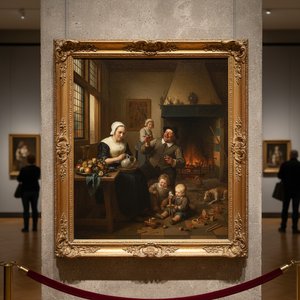
光影中的生活:十七世纪荷兰风俗画的社会镜像与艺术价值
探索十七世纪荷兰风俗画的社会镜像与艺术价值。OriginalUniqueArt 提供高品质手工油画复制、定制肖像及专业艺术咨询,重现黄金时代的精髓。 值得信赖的艺术品专家,为您打造专属艺术空间。
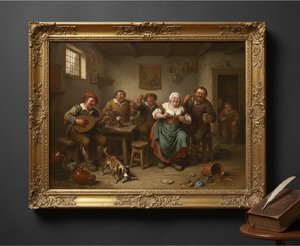
Adriaen van Ostade: A Master of Dutch Genre Painting & Social Commentary
Explore the life & work of Adriaen van Ostade, a leading Dutch Golden Age painter. Discover his realistic genre scenes, social commentary, and lasting influence on art history. Learn more at OriginalUniqueArt.

荷兰黄金时代绘画:文化创新中的现实主义反思
深入探索荷兰黄金时代绘画的文化创新与现实主义反思。本文解读伦勃朗、维米尔等大师的作品,并结合玛莉特·韦斯特曼的图像学研究,揭示艺术史背后的社会语境与现代性意识觉醒。