

 效果预览
效果预览
 分享
分享 分享
分享
 详情
详情 指南
指南

 下载
下载
 相似作品
相似作品 X射线
X射线 幻灯片播放
幻灯片播放 统计数据
统计数据La Raccommodeuse de filet

 展开详情
展开详情
艺术微喷/版画
博物馆级艺术微喷或帆布版画,制作高效,并提供多种饰面选择。 ( 购买手绘画作 切换至数字图像销售渠道)




































从与原作比例一致的预设尺寸中进行选择。

您可以输入自定义尺寸,以适配特定的画框或空间。如果您选择的尺寸与原图比例不符,我们将对作品进行裁剪,或通过镜像填充/纯色填充边缘的方式来扩展图像。在开始制作之前,我们会向您发送一份数字效果图供您确认。
请注意,屏幕上的预览并不能反映实际的裁剪或扩展效果。只有效果图才能准确展示最终的构图。
虽然我们提供定制尺寸,但为了保持原图比例,我们建议您从预设列表中选择尺寸。


 玻璃选项仅适用于110厘米以下的尺寸。

La Raccommodeuse de filet
艺术微喷/版画
复制品尺寸
-


最终总价
$ 80
艺术家简介
Constant Troyon: Bridging Porcelain and Pastoral
August 28, 1810, in Sèvres, France, marked the birth of Constant Troyon – a painter whose journey began far from the grand salons of Paris, amidst the meticulous world of porcelain decoration. His early life was steeped in the traditions of his father’s workshop, a seemingly restrictive environment that nonetheless honed his eye for detail and precision. Yet, beneath this veneer of craftsmanship lay a restless spirit, a yearning to capture the fleeting beauty of the natural world. It wasn't until he reached twenty-one that Troyon truly embraced his artistic destiny, embarking on a nomadic existence as a landscape painter, fueled by wanderlust and the necessity of earning a living. This early period, characterized by sketches and watercolors, laid the groundwork for his later mastery – a synthesis of technical skill with an increasingly profound understanding of light, color, and atmosphere. His initial travels exposed him to diverse artistic influences, but it was the Barbizon school, centered around Paris, that would fundamentally shape his approach to painting.The Barbizon Influence and Early Landscapes
The Barbizon school represented a deliberate rejection of the academic traditions dominating the Parisian art world. Artists like Rousseau, Dupré, and Troyon sought inspiration directly from nature, eschewing studio work in favor of *en plein air* painting – working outdoors to capture the immediacy of the landscape. Troyon’s early landscapes, produced between 1840 and 1847, reflect this influence, displaying a sincerity and freshness that resonated with contemporary audiences. While technically proficient, these works often lacked the distinctive character that would later define his oeuvre. However, a pivotal encounter in 1846 – a visit to the Hague and a profound study of Paulus Potter’s “Young Bull” – proved transformative. Potter's masterful depiction of animal anatomy and behavior ignited within Troyon a new passion: painting animals with an unprecedented level of realism and emotional depth. This experience, coupled with his admiration for the works of Cuyp and Rembrandt, spurred him to develop a unique style characterized by dramatic lighting, rich textures, and a palpable sense of movement.Mastering Animal Painting and International Recognition
Following Potter’s influence, Troyon rapidly evolved as an animal painter, achieving remarkable success in both Britain and America. His paintings weren't merely representations of animals; they conveyed their personalities, instincts, and the subtle nuances of their interactions with the environment. He meticulously observed his subjects – cattle, horses, sheep – capturing not just their physical appearance but also their moods and behaviors. This dedication to realism was further enhanced by his ability to render textures with astonishing accuracy, from the rough hide of a bull to the soft wool of a lamb. His work gained international acclaim, finding favor in prestigious collections across Europe and the United States. Critics lauded his technical skill, emotional sensitivity, and his ability to evoke a sense of connection between the viewer and the animal subjects. The art critic Albert Wolff famously described Troyon’s later works as “masterpieces,” recognizing their profound artistic merit and enduring appeal.A Shift Towards Pastoral Scenes and Later Works
As Troyon matured, his subject matter broadened beyond purely animalistic scenes. He increasingly explored pastoral landscapes – depictions of rural life, featuring shepherds, farm animals, and the serene beauty of the countryside. These later works demonstrate a shift in focus from the dynamic energy of animal painting to a more contemplative and evocative approach to landscape. While some critics initially dismissed these paintings as less ambitious than his earlier work, they reveal a deepening of Troyon’s artistic vision – a subtle understanding of light, color, and composition that elevates them to a level of quiet beauty. His final works, produced in the years leading up to his death in 1865, are characterized by a remarkable serenity and a profound appreciation for the simple pleasures of rural life. They represent a culmination of his artistic journey – a testament to a lifetime dedicated to capturing the essence of nature on canvas.Legacy and Historical Significance
Constant Troyon’s legacy extends beyond his individual paintings. He played a crucial role in the development of the Barbizon school, demonstrating the value of *en plein air* painting and inspiring subsequent generations of artists. His meticulous observation of nature, combined with his technical skill and emotional sensitivity, established him as one of the most important animal painters of his era. Troyon’s work continues to be admired for its realism, beauty, and profound connection to the natural world. He stands as a bridge between the rigid traditions of academic art and the more expressive approach of the Barbizon school, embodying a spirit of artistic exploration and a deep appreciation for the enduring power of nature. His paintings offer a valuable glimpse into 19th-century rural life and provide a lasting testament to the artist’s remarkable talent and dedication.
adolphe félix cals
1810 - 1880
艺术家简介
- Artistic Movement Or Style: Barbizon School
- Artists Or Movements Influenced By This Artist:
- Camille Roqueplan
- Jules Dupré
- Artists Who Influenced This Artist:
- Paulus Potter
- Aelbert Cuyp
- Rembrandt
- Date Of Birth: August 28, 1810
- Date Of Death: February 21, 1865
- Full Name: Constant Troyon
- Nationality: French
- Notable Artworks:
- Young Bull
- The Raft of the Medusa
- Place Of Birth: Sèvres, France
相关文章

保罗·塞尚:25幅大师杰作,重塑现代艺术与家居美学 | OriginalUniqueArt
探索保罗·塞尚25幅经典杰作!深入了解后印象派大师的艺术生涯、独特技法与色彩运用。OriginalUniqueArt提供高清油画复制品,为您的家居带来博物馆级艺术体验。立即发现更多名画,点亮生活空间!
The Enduring Legacy of French Art: Movements, Masters & Cultural Impact
Explore the rich history of French art, from the Salon to Impressionism & beyond. Discover iconic masters, key movements, and expert guidance for collecting timeless masterpieces. OriginalUniqueArt.

Impressionism's Masterpieces: 10 Paintings That Defined a Movement | OriginalUniqueArt
Journey through Impressionism's heart with 10 iconic paintings by Monet, Renoir & Degas. Explore light, color & the stories behind these masterpieces. Find museum-quality art reproductions and elevate your home decor on OriginalUniqueArt.com.

光与影的彼岸:印象派与后印象派艺术收藏家的鉴赏之旅
深入探索印象派与后印象派艺术世界的瑰丽魅力。OriginalUniqueArt为您提供专业的艺术收藏建议、定制油画服务,助您构建独一无二的臻品系列。了解大师作品背后的故事,提升您的艺术鉴赏力。
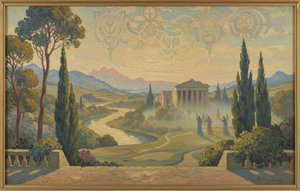
Henri Martin: A Synthesis of Impressionism & Symbolism in the French Landscape Tradition
Explore the captivating world of Henri Martin, a French Post-Impressionist bridging Impressionism & Symbolism. Discover his unique style, influential landscapes, and lasting legacy with OriginalUniqueArt.