

 实景预览
实景预览
 分享
分享 分享
分享
 详情
详情 指南
指南

 下载作品
下载作品
 相似作品
相似作品 X射线
X射线 幻灯片播放
幻灯片播放 Q&A
Q&A 统计数据
统计数据Spray
 Abstract Expressionism
 1959
1959 229.0 x 184.0 cm
 展开全文
展开全文
艺术微喷/版画
博物馆级艺术微喷或帆布版画,制作高效,并提供多种饰面选择。 ( 订购纯手工绘制画作 切换至数字图像销售渠道)




P118B ¥10

P118H ¥10

P118W ¥10

P438Z ¥10

P508JH ¥12

P508YH ¥12

P805H ¥10

P805Z ¥10

P919BZ ¥10

P919G ¥10

P919XJ ¥10

P959ZH ¥10

P968JZ ¥12

W106C ¥8

W218G ¥10

W218JH ¥8

W218Y ¥10

W307PJ ¥10

W316G ¥10

W316PJ ¥8

W316Y ¥10

W398PJ ¥8

W4111J ¥10

W500HY ¥15

W500JH ¥15

W692G ¥12

W849H ¥8

W940BG ¥15

W953PJ ¥8




您可以从与原作比例一致的预设尺寸中进行选择。

请输入您所需的宽度和高度,以适配您的画框或墙面。由于印刷品只能进行裁剪,无法超出原图尺寸,因此若比例不一致,画面的一部分将会被裁切。在正式印刷之前,我们会为您发送一份数字效果图供您确认。本页面显示的图片并非最终裁剪后的效果——只有效果图才能展示真实的裁剪情况。


 玻璃选项仅适用于110厘米以下的尺寸。

Spray
艺术微喷/版画
复刻品尺寸
-


最终结算价
¥ 537
A Burst of Energy: Exploring Adolph Gottlieb’s ‘Spray’ (1959)
Adolph Gottlieb's Spray, created in 1959, is a commanding example of Abstract Expressionism at its most visceral. Measuring an impressive 229 x 184 cm, this painting doesn’t simply occupy space; it *fills* it with dynamic energy and raw emotion. The work presents a dramatic interplay between form and color, inviting viewers into a world of pure sensation.
Deconstructing the Composition & Technique
- Dynamic Contrast: A substantial, dark circular mass dominates the upper canvas, acting as both an anchor and a counterpoint to the explosive energy below. This stark contrast immediately draws the eye and establishes a powerful visual tension.
- Impasto & Gesture: Gottlieb masterfully employs impasto – thickly applied paint – particularly in the vibrant yellow section. This technique isn’t merely about texture; it's about physicality, conveying a sense of immediacy and the artist’s direct engagement with the canvas. Loose, gestural brushwork further enhances this feeling of spontaneous creation.
- Color & Form: The chaotic ‘spray’ of yellow isn’t simply random. While amorphous in shape, these masses radiate outwards, suggesting expansion and release. The muted brown background serves as a grounding force, allowing the black and yellow to truly pop.
Symbolism & Historical Context
Gottlieb, deeply influenced by his experiences with European modernism – particularly Constructivism and Surrealism – and grappling with post-war anxieties, sought a visual language that could express the complexities of the human condition. While abstract, Spray isn’t devoid of symbolic resonance. The black circle can be interpreted as representing darkness, the void, or even the unknown, while the yellow explosion suggests light, energy, or liberation. Created in 1959, during a period of intense artistic innovation in America, ‘Spray’ embodies the Abstract Expressionist movement's rejection of traditional representation in favor of subjective emotional expression.
Emotional Impact & Interior Design Considerations
Spray is not a passive artwork; it demands attention. Its bold colors and dynamic composition evoke feelings of both power and vulnerability, chaos and control. For collectors and interior designers, this piece offers a striking focal point. The strong visual presence would be particularly effective in modern or contemporary spaces, adding depth and sophistication to a living room, office, or gallery setting. The interplay of dark and light also allows for versatile pairing with various color palettes – from minimalist neutrals to bolder, complementary hues.
艺术家简介
抽象表现主义的先驱:阿道夫·戈特利布的生命与艺术
1903年出生于纽约的阿道夫·戈特利布,在当时蓬勃发展的美国抽象表现主义浪潮中,成为了一个举足轻重的关键人物。他的艺术旅程是一场永无止境的探索——他孜孜不倦地追求将普遍的人类经验提炼成一种视觉语言,这种语言既能与古老的象征意义产生共鸣,又能映射出现代的焦虑感。作为犹太移民之子,戈特利布的早年生活赋予了他对文化流变的高度敏感,以及在剧变世界中寻找意义的渴望,这些主题深刻地塑造了他的艺术视野。他在艺术学生联盟(Art Students League)和帕森斯设计学院(Parsons The New School for Design)接受了基础训练,但真正点燃其审美感官的,是20世纪2巡代期间在欧洲的游历。通过沉浸在德国与法国的艺术与哲学之中,他吸收了构成主义与超现实主义的影响,为日后的艺术创新奠定了坚实的基础。锻造独特的艺术语言
戈特利布的艺术发展并非一蹴而就,而是一个从具象形式逐渐向抽象演进的过程。起初,他在传统技法中苦苦探索,随后开始尝试使用破碎的意象与象征性符号,这预示着那些将定义其成熟风格的深层心理流向。1935年迎来了一个关键时刻,戈特利布与马克·罗斯科(Mark Rothko)及约翰·D·格雷厄姆(John D. Graham)等艺术家联手组建了“十人组”(The Ten),即后来闻名的纽约艺术家画家团体。这一集体在国际艺术舞台上确立了鲜明的美国声音,挑战了欧洲的主导地位,并培养了一种实验精神。得益于联邦艺术计划(Federal Art Project)等举措,戈特利布在经济困难时期为自己的艺术追求找到了支持。他在1937至1938年间在亚利桑那州的时光被证明具有变革意义;那里荒凉的景观与古老的印第安文化激发了他对原始象征主义的痴迷,并渗透进他的作品之中。他试图捕捉的不仅仅是沙漠的视觉表象,更是其情感共鸣——那种辽阔、孤独与精神力量的交织。象形文字系列及其延伸:探索普遍主题
戈特利布最广为人知的系列——《象形文字》(Pictographs,1940年代),正是这种探索的化身。这些画作以矩形区域内的生物形态与象征性形状为特征,宛如古老的象形文字或部落图腾。他刻意从多元化的来源中汲取灵感——古典神话、美洲原住民艺术、非洲纹样——在现代性与古老传统之间创造了一场引人入胜的对话。《象形文字》并非简单的抽象构图,它们是试图触及普遍原型、探索神话、仪式与人类境遇的尝试。继《象形文字》之后,戈特利布在20世纪50年代开启了他的《爆发绘画》(Burst Paintings)时期。这些作品以色彩与能量的爆发式喷涌为特征,反映了一种更具动态且情感充沛的抽象手法。“爆发”本身可以被解读为原始力量的体现——创造、毁灭,亦或是人类经验那令人难以承受的强度。除了这些标志性系列,戈特利布还创作了《想象的风景》(Imaginary Landscapes),通过对自然形态的抽象诠释,进一步展示了他致力于探索内在视觉与外部现实之间关系的决心。遗产与历史意义
在整个职业生涯中,阿道夫·戈特利布在美国和欧洲都进行了广泛的展览,并因其对美国艺术的独特贡献而获得认可。他的作品如今被世界各大博物馆收藏,包括纽约现代艺术博物馆(MoMA)和伦敦泰特现代美术馆,这足以证明其持久的力量与影响力。他曾获得无数奖项与赞誉,巩固了他在抽象表现主义运动中领军人物的地位。戈特利布的遗产超越了他的个人画作;他在塑造战后美国艺术版图方面发挥了至关重要的作用,为后代艺术家探索抽象、象征主义及文化影响铺平了道路。他致力于通过独特的美国视角来探索普遍主题,这使他成为了20世纪最重要的抽象画家之一。他不仅仅是在创作美学上令人愉悦的图像;他是在试图应对关于人类存在的根本性问题——这些问题至今仍能引起观众的共鸣。阿道夫·戈特利布的作品始终是一个强有力的提醒:艺术拥有超越文化边界、与人类精神最深处对话的能力。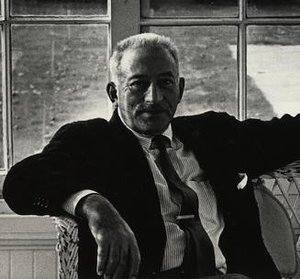
阿道夫·戈特利布
1903 - 1974
艺术家简介
- Artistic Movement Or Style: 抽象表现主义
- Artists Or Movements Influenced By This Artist: ['抽象表现主义']
- Artists Who Influenced This Artist:
- 构成主义
- 超现实主义
- Date Of Birth: 1903年3月14日
- Date Of Death: 1974年
- Full Name: 阿道夫·戈特利布
- Nationality: 美国
- Notable Artworks:
- 象形文字
- 爆发绘画
- 符号
- 无题 (881)
- Place Of Birth: 美国纽约市
相关文章
Lyrical Abstraction: The Emotional Power of Color and Form in Modern Art History
Explore the profound emotional depth of Lyrical Abstraction. Discover how masters like Raymond Parker used color and form to bridge Impressionism and Abstract Expressionism. Learn about this pivotal movement through our expert-led art history guide.

抽象表现主义:十幅定义艺术史的杰作
探索抽象表现主义的十幅经典杰作!波洛克、罗斯科等大师作品,揭秘艺术史上的重要瞬间。OriginalUniqueArt.com为您呈现高品质艺术品复制和精选家居装饰方案,感受现代艺术的力量与魅力。立即浏览全系列!
Beyond the Lines: Mastering the High-Impact World of Contemporary Abstraction
Master the high-impact world of contemporary abstraction. Discover how bold colors, textures, and modern movements like Abstract Expressionism can transform your space with premium, high-energy art curated for the design-conscious professional.
The Soul of Color: A Journey into the Emotional Resonance of Lyrical Abstraction
Embark on a cultural journey through Lyrical Abstraction. Explore how masters like Kandinsky used color and motion to translate emotion into visual poetry. Discover the profound beauty of abstract expressionism and learn to curate emotional resonance in your own art collection.

Kandinsky's Masterpieces: 25 Paintings That Define Abstract Art | OriginalUniqueArt
Journey through Wassily Kandinsky's 25 most iconic abstract paintings. Explore his revolutionary use of color, form & spiritual expressionism. Find museum-quality Kandinsky reproductions and elevate your home decor with OriginalUniqueArt.com. Discover all masterpieces on OriginalUniqueArt.com!