Оплот французької відваги: Душа Дому Інвалідів
Розташований у золотій величі Дому Інвалідів — пам'ятки, що втілює саму суть паризької історії, — Musée de l'Armée є набагато більшим, ніж просто сховищем зброї. Це глибока, всеосяжна хроніка незліченних зв'язків Франції з конфліктами, інноваціями та національною ідентичністю. Переступити його поріг — означає вирушити у подорож крізь віки, де відлуння римських легіонерських обладунків зустрічається з блискучою розкішню наполеонівських мундрів. Музей слугує ретельно відібраним святилищем еволюції французької військової доблесті, місцем, де важкість сталі переплітається з легкістю духу, запрошуючи відвідувачів замислитися над складним полотном людської боротьби та тріумфу.
Сама архітектура є свідченням монументальної історії, адже музей розташований у комплексі, що спочатку слугував домом і госпіталем для старих та інвалідів війни. Присутність музею на цій історичній локації дарує можливість глибокого занурення в легенду про Наполеона Бонапарта . Зали, присвячені його спадщині, є скарбницею як стратегічного генія, так і людської вразливості: тут карти масштабних кампаній сусідять із особистими листами, що розкривають тривоги цілої епохи. Це дослідження імперії збалансоване тонким визнанням її людської ціни, пропонуючи погляд, де вага лідерства важить не менше, ніж слава перемоги.
Шедеври металу та полотна
Колекція вражає своїм масштабом, пропонуючи сенсорний досвід, що виходить за межі простої історичної документації. Відвідувач мимоволі захоплюється трансформацією технологій та мистецтва, особливо в середньовічній та ренесансній зброї та обладунках. Це не просто інструменти руйнування; це вишукані витвори мистецтва. Сяючі лати, прискіпливо виготовлені в легендарних майстернях Мілана та Аугсбурга, стоять поруч із мечами такої тонкої роботи, що вони відображають естетичні смаки та соціальний статус своїх власників. Складні деталі на таких експонатах, як обладунки Генріха VIII, слугують потужним символом королівської престижності, тоді як елегантні вигини венеціанських герцогських кирас демонструють майстерність форми, що змагається з будь-якою витонченою скульптурою.
Для поціновувача дрібних деталей музей пропонує візуальне свято неперевершеної багатства через свої величні зібрання військового мистецтва. Колекція включає:
- Живопис та скульптура: Емоційні твори, що змащують драму битви та урочистість жертовності, зокрема монументальна картина Наполеон у образі Юпітера на троні Жана-Огюста Домініка Шенра, шедевр неокласичної величі.
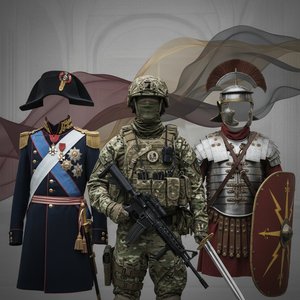
- Уніформи та знаки розрізнення: Вікно в соціальні структури та мінливу ідентичність солдатів протягом століть — від вигадливого придворного вбрання епохи Наполеона до практичного одягу Першої світової війни.
- Військова інженерія: Величні гармати на Головному подвір'ї, що представляють монументальні досягнення майстерності та колись панували на полях битв Європи.
Роботи таких митців, як Жан-Батист Едуар Детейль , відомого своїми реалістичними батальною сценами та прискіпливою увагою до деталей мундира, додають галереям кінематографічної якості. Завдяки реконструйованим діорамам та емоційним експозиціям музей створює середовище, яке дозволяє як любителям мистецтва, так і історикам стати свідками незгасної спадщини мужності та вічного пошуку миру в самому серці Парижа.