Buckingham Palace: A Legacy of Royalty and Artistic Patronage
Buckingham Palace stands as an enduring emblem of British monarchy—a living testament to centuries of royal history and artistic patronage, captivating visitors with its grandeur and offering a glimpse into the lives of those who have shaped Britain’s past. Located in the City of Westminster, this palace isn't merely a building; it’s a focal point for national celebrations and commemorations, embodying tradition and reflecting evolving tastes throughout time.
Originally conceived as a modest townhouse for the Duke of Buckingham in 1703, Buckingham Palace has undergone dramatic transformations under ambitious monarchs—most notably George III and Edward VII—resulting in its iconic façade and sprawling courtyard complex. John Nash’s architectural vision dramatically expanded the building's footprint, incorporating three wings around a central courtyard to create a magnificent space for entertaining dignitaries and hosting grand receptions. The East Front, adorned with the balcony where royal family members greet crowds during ceremonial events like Trooping the Colour, exemplifies neoclassical elegance and regal grandeur.
-
The State Rooms:
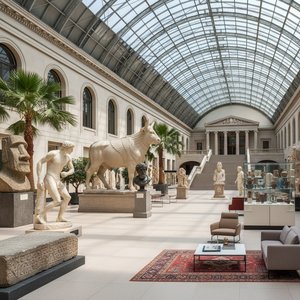
These opulent spaces showcase exquisite scagliola marble and intricate plasterwork depicting scenes from British history—a tangible connection to eras past. Furnished with treasures sourced over centuries, they reflect changing styles and craftsmanship, offering a mesmerizing journey through royal aesthetics.
-
The King’s Gallery:
Rotating exhibitions within this gallery provide access to rarely seen masterpieces from the Royal Collection, demonstrating the breadth of artistic talent nurtured by successive monarchs.
-
Royal Gardens:
Beyond the formal splendor of the State Rooms lies the expansive Royal Gardens—a tranquil oasis featuring ancient mulberry trees planted by James I and symbolizing the palace’s humble origins as a garden.
-
A Treasury of Royal Art:
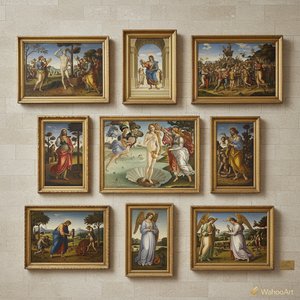
The Royal Collection houses over 7,000 paintings representing diverse artistic styles and periods—including Rembrandt's portraits capturing European nobility and Van Dyck’s depictions of Elizabethan royalty.
The palace continues to serve as a vibrant hub of national life, hosting countless state occasions and ceremonial events that draw crowds from around the world. The Summer Opening allows public access to the State Rooms during August and September—a rare opportunity to immerse oneself in royal history and admire breathtaking artwork. Guided tours delve deeper into aspects of the Royal Collection and royal heritage, enriching visitors’ understanding of Britain's cultural legacy.
Furthermore, Buckingham Palace’s architectural context underscores its role as a symbol of British governance—situated at the heart of Westminster, it reflects centuries of political power and tradition. Its history is interwoven with pivotal moments in British history—from VE Day celebrations to Jubilees—making it an unforgettable destination for anyone interested in exploring Britain's rich heritage.
Note: This description aims to capture the essence of Buckingham Palace as a museum experience, prioritizing narrative flow and evocative language.