Портрет Фелікс Нуссбаум

Картини Фелікс Нуссбаум: 49 найвідоміших у погляді галереї

Оновлено Листопад 2026 · за рейтингом нашої популярності (кількість пошукових запитів, переглядів та замовлень для кожної роботи) · 49 робіт Фелікс Нуссбаум у нашому каталозі

Коротко кажучи

На думку експертів галереї, найвідоміший витвір Фелікс Нуссбаум — це Fish Market (1936), оригінал якого експонується в Kulturgeschichtliche Museum Osnabrück, Osnabrück. Fishing Boats with Island (1933) та Loneliness (1942) доповнюють тріо, яке впізнає кожне око. З 49 робіт Фелікс Нуссбаум у нашому каталозі галерея представляє 49 найвідоміших нижче — кожна з них є оригіналом із зазначенням року створення, музею та унікальних особливостей.

1904 – 1944, Оснабрюк Surrealist expressionism Найбільше робіт: Kulturgeschichtliche Museum Osnabrück

Топ 10 картин художника Фелікс Нуссбаум у галереї

2
Fishing Boats with Island (1933) авторства Фелікс Нуссбаум

Fishing Boats with Island

1933 · Gouache

The water holds the light in a pale, steady grip. In this 1933 gouache on paper, the sea is a surface of calm, interrupted only by the presence of two boats. One vessel rests near the left edge, while another sits further back, drifting toward the right. Between them, two figures stand close together on the shore. They are small against the expanse, mere silhouettes of companionship amidst the blue…

5
Memory of Norderney (1929) авторства Фелікс Нуссбаум

Memory of Norderney

1929 · Oil On Canvas · Kulturgeschichtliche Museum Osnabrück, Osnabrück

In the hauntingly beautiful oil on canvas, Memory of Norderney, Felix Nussbaum invites us into a world that feels simultaneously vibrant and ghostly. Painted in 1929, this large-scale masterpiece captures a moment of serene leisure, yet it is imbued with a profound sense of nostalgia that transcends its literal subject matter. The scene unfolds before a stately building, perhaps a grand hotel or a coastal mansion, characterized by its classical…

6
Entombment (also known as Organ Grinders at the Roman Forum) (1933) авторства Фелікс Нуссбаум

Entombment (also known as Organ Grinders at the Roman Forum)

1933 · Oil On Canvas · Kulturgeschichtliche Museum Osnabrück, Osnabrück

This oil on canvas painting depicts the entombment of Jesus Christ. The central figure of Jesus lies at the heart of the scene, surrounded by a group of individuals. Some figures stand in close proximity to the body, while others are positioned at a distance. In the background, two men are engaged in playing musical instruments. To the left of the main group, a horse is visible, its form contributing…

Картини художника Фелікс Нуссбаум, від 11 до 49 місця в рейтингу

11Self-Portrait in a Shroud (Group picture) (1942) авторства Фелікс НуссбаумSelf-Portrait in a Shroud (Group picture)1942 · Berlinische Galerie 12Self-Portrait with Jewish Identity Card (1943) авторства Фелікс НуссбаумSelf-Portrait with Jewish Identity Card1943 13Man with Flower (1939) авторства Фелікс НуссбаумMan with Flower1939 14Evening (unfinished) (also known as Self Portrait with Felka Platek) (1942) авторства Фелікс НуссбаумEvening (unfinished) (also known as Self Portrait with Felka Platek)1942 · Kulturgeschichtliche Museum Osnabrück 15Jaqui in the Street (1944) авторства Фелікс НуссбаумJaqui in the Street1944 · Kulturgeschichtliche Museum Osnabrück 16Drawbridge across a Moorland Ditch (1927) авторства Фелікс НуссбаумDrawbridge across a Moorland Ditch1927 · Kulturgeschichtliche Museum Osnabrück 17Gypsy Woman (1927) авторства Фелікс НуссбаумGypsy Woman1927 · Kulturgeschichtliche Museum Osnabrück 18The Hakenhof in Kommenderiestrasse in Onasbrück (1927) авторства Фелікс НуссбаумThe Hakenhof in Kommenderiestrasse in Onasbrück1927 19Men Mending Nets in a Street in Ostend (1928) авторства Фелікс НуссбаумMen Mending Nets in a Street in Ostend1928 20Fairground (1925) авторства Фелікс НуссбаумFairground1925 21Group Portrait (1930) авторства Фелікс НуссбаумGroup Portrait1930 22Gallows (also known as Funeral) (1930) авторства Фелікс НуссбаумGallows (also known as Funeral)1930 · Berlinische Galerie 23Fisherman's House (1933) авторства Фелікс НуссбаумFisherman's House1933 · Kulturgeschichtliche Museum Osnabrück 24The Hurdy Gurdy Man (1931) авторства Фелікс НуссбаумThe Hurdy Gurdy Man1931 · Berlinische Galerie 25Narcussus (1932) авторства Фелікс НуссбаумNarcussus1932 · Kulturgeschichtliche Museum Osnabrück 26Harbor Scene (1935) авторства Фелікс НуссбаумHarbor Scene1935 · Kulturgeschichtliche Museum Osnabrück 27Interior with Still Life (1935) авторства Фелікс НуссбаумInterior with Still Life1935 28Landscape (also known as Tree Behind a Wall) (1935) авторства Фелікс НуссбаумLandscape (also known as Tree Behind a Wall)1935 29Locomotive (1936) авторства Фелікс НуссбаумLocomotive1936 · Kulturgeschichtliche Museum Osnabrück 30Man behind the Window (also known as Self Portrait after Adriaen van Ostade) (1937) авторства Фелікс НуссбаумMan behind the Window (also known as Self Portrait after Adriaen van Ostade)1937 · Kulturgeschichtliche Museum Osnabrück 31Don Quixote and the Windmills (1938) авторства Фелікс НуссбаумDon Quixote and the Windmills1938 · Kulturgeschichtliche Museum Osnabrück 32Dover Ferry (1935) авторства Фелікс НуссбаумDover Ferry1935 · Kulturgeschichtliche Museum Osnabrück 33Nightly view from the workshop with dishcloth. (1940) авторства Фелікс НуссбаумNightly view from the workshop with dishcloth.1940 34The Refugee (1939) авторства Фелікс НуссбаумThe Refugee1939 35The Kitchen in Hiding (1943) авторства Фелікс НуссбаумThe Kitchen in Hiding1943 · Kulturgeschichtliche Museum Osnabrück 36Man with Withered Leaf (1941) авторства Фелікс НуссбаумMan with Withered Leaf1941 37Stillleben mit Schachteln (Still life with boxes) (1941) авторства Фелікс НуссбаумStillleben mit Schachteln (Still life with boxes)1941 38Hurdy Gurdy Man in a Surreal Landscape (1939) авторства Фелікс НуссбаумHurdy Gurdy Man in a Surreal Landscape1939 · Kulturgeschichtliche Museum Osnabrück 39Jew by the Window (1943) авторства Фелікс НуссбаумJew by the Window1943 · Niedersächsisches Landesmuseum Für Kunst Und Kulturgeschichte Oldenburg 40Manikins (1943) авторства Фелікс НуссбаумManikins1943 · Kulturgeschichtliche Museum Osnabrück 41Group of Three (1944) авторства Фелікс НуссбаумGroup of Three1944 42Felka Platek Painting (1935) авторства Фелікс НуссбаумFelka Platek Painting1935 · Jüdisches Museum Rendsburg 43In the camp (1940) авторства Фелікс НуссбаумIn the camp1940 · Німецький історичний музей 44Gypsy (1928) авторства Фелікс НуссбаумGypsy1928 · Kulturgeschichtliche Museum Osnabrück 45Моя Мати (1926) авторства Фелікс НуссбаумМоя Мати1926 · Kulturgeschichtliche Museum Osnabrück 46Untitled (AQQJ26) авторства Фелікс НуссбаумUntitled (AQQJ26) 47Masquerade (1927) авторства Фелікс НуссбаумMasquerade1927 48Death Triumphant (1944) авторства Фелікс НуссбаумDeath Triumphant1944 49Self-Portrait in the Camp (1940) авторства Фелікс НуссбаумSelf-Portrait in the Camp1940 · Neue Galerie New York

Знамениті картини Фелікс Нуссбаум за періодами творчості

Теми, що привертали увагу Фелікс Нуссбаум

Чотири сюжети, які найчастіше зустрічаються в цих оригіналах, кожен із найкращим прикладом.

Музеї, у яких зберігаються оригінали Фелікс Нуссбаум

7 музеїв, у яких зберігається найбільша кількість картин із цього списку.

Музей Місто Твори Фелікс Нуссбаум Картини зі цього списку
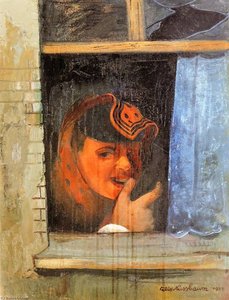
Kulturgeschichtliche Museum Osnabrück, OsnabrückKulturgeschichtliche Museum Osnabrück Osnabrück 21 Fish Market, Fear (also known as Self Portrait with His Niece Marianna), Memory of Norderney
Berlinische Galerie, БерлінBerlinische Galerie Берлін 4 The mad square, Self-Portrait in a Shroud (Group picture), Gallows (also known as Funeral)
Єврейський музей Берліна, БерлінЄврейський музей Берліна Берлін 2 Loneliness, Self-Portrait With Painters Cloth
Niedersächsisches Landesmuseum Für Kunst Und Kulturgeschichte Oldenburg, OldenburgNiedersächsisches Landesmuseum Für Kunst Und Kulturgeschichte Oldenburg Oldenburg 1 Jew by the Window
Jüdisches Museum Rendsburg, RendsburgJüdisches Museum Rendsburg Rendsburg 1 Felka Platek Painting
Німецький історичний музей, БерлінНімецький історичний музей Берлін 1 In the camp
Neue Galerie New York, Нью-ЙоркNeue Galerie New York Нью-Йорк 1 Self-Portrait in the Camp

Фелікс Нуссбаум, одна фірмова картина за десятиліття

Роботи за десятиліттями

Оберіть десятиліття, щоб побачити оригінальний твір, який його визначає.

Картини Фелікс Нуссбаум: відповіді галереї

Яка картина Фелікс Нуссбаум є найвідомішою серед усіх?Дізнатися відповідь

Fish Market (1936), Kulturgeschichtliche Museum Osnabrück, Osnabrück. Далі йдуть Fishing Boats with Island (1933) та Loneliness (1942).

Скільки років було Фелікс Нуссбаум, коли він/вона завершив/завершила Fish Market?Дізнатися відповідь

32 років: Fish Market датована 1936 роком, а Фелікс Нуссбаум народився(-лася) у 1904.

Які 10 найкращих картин Фелікс Нуссбаум?Дізнатися відповідь

Fish Market, Fishing Boats with Island, Loneliness, Fear (also known as Self Portrait with His Niece Marianna), Memory of Norderney, Entombment (also known as Organ Grinders at the Roman Forum), Lovers, The mad square, Self-Portrait With Painters Cloth та Masks and Cat. У рейтингу вище вказано рік створення та музей для кожної картини.

Скільки творів створив Фелікс Нуссбаум?Дізнатися відповідь

Наш каталог містить 49 робіт Фелікс Нуссбаум, датованих періодом з 1925 по 1944.

Де висять найвідоміші оригінали робіт Фелікс Нуссбаум?Дізнатися відповідь

Переважно в Kulturgeschichtliche Museum Osnabrück (Osnabrück), Berlinische Galerie (Берлін) та Єврейський музей Берліна (Берлін). У таблиці музеїв вище наведено їхній повний перелік.

Коли Фелікс Нуссбаум створив свої найвідоміші картини?Дізнатися відповідь

У 1930s: 22 із 49 робіт на цій сторінці були створені тоді, серед них Fish Market.

Які найранніші та найпізніші відомі роботи Фелікс Нуссбаум?Дізнатися відповідь

На цій сторінці найдавніша робота датована Fairground (1925), а найновіша — Jaqui in the Street (1944).

До яких сюжетів Фелікс Нуссбаум звертався найчастіше?Дізнатися відповідь

People (5), Men (5) та Man (4), у 49 роботах на цій сторінці.

У якій техніці найчастіше працював Фелікс Нуссбаум?Дізнатися відповідь

Oil On Canvas, для 4 із 49 робіт на цій сторінці.

З яким напрямом пов'язаний Фелікс Нуссбаум?Дізнатися відповідь

Surrealist expressionism та New objectivity, судячи з оригіналів на цій сторінці.

Які оригінальні роботи Фелікс Нуссбаум зберігаються в Kulturgeschichtliche Museum Osnabrück?Дізнатися відповідь

Fish Market, Fear (also known as Self Portrait with His Niece Marianna) та Memory of Norderney: Kulturgeschichtliche Museum Osnabrück, Osnabrück зберігає 21 робіт із цієї сторінки.

Фелікс Нуссбаум: художник

A Life Etched in Exile: The Haunting Vision of Felix Nussbaum

Felix Nussbaum’s story is a stark and profoundly moving testament to the power of art born from unimaginable suffering. Born in Osnabrück, Germany, in 1904, his life unfolded against the backdrop of rising nationalism and escalating persecution, culminating in the horrors of the Holocaust. He wasn't simply a victim *of* history; he was an artist who meticulously documented its impact on his soul, creating a body of work that stands as both a personal lament and a universal warning. Nussbaum’s paintings offer a rare, unflinching glimpse into the psychological landscape of displacement, fear, and ultimately, annihilation – a perspective often absent from broader historical narratives. His father, Philipp Nussbaum, a World War I veteran with an early passion for painting himself, recognized and nurtured his son's talent, providing encouragement that would prove vital in the darkening years to come. This initial support fostered a lifelong dedication to art, even as political realities increasingly constricted his path.

Formative Years and Artistic Influences

Nussbaum’s artistic journey began with formal studies in Hamburg and Berlin in 1920, continuing for as long as circumstances allowed. His early work reveals a clear debt to the Post-Impressionist masters, particularly Vincent van Gogh and Henri Rousseau. The vibrant colors and expressive brushwork of these artists provided a foundation upon which Nussbaum would later build his unique style. However, he wasn’t content with mere imitation. He actively sought out new influences, drawn to the unsettling dreamscapes of Giorgio de Chirico and Carlo Carrà, pioneers of the *pittura metafisica* movement. The careful attention to color demonstrated by Carl Hofer's expressionist paintings also left a lasting impression on Nussbaum’s approach. These diverse inspirations coalesced into what would become known as his “New Objectivity” style – a blend of realism and surrealism, characterized by precise detail, unsettling compositions, and a pervasive sense of alienation. This period was marked by experimentation and growth, but the looming shadow of Nazi ideology soon threatened to extinguish his artistic promise.

Exile, Isolation, and the Shadow of War

The ascent of the Nazis in 1933 irrevocably altered Nussbaum’s life. Studying on a scholarship in Rome at the Berlin Academy of the Arts, he witnessed firsthand the chilling pronouncements of Hitler's propaganda minister, outlining the tenets of Nazi art – glorification of heroism and the Aryan race. It became painfully clear that as a Jew, his place within the German artistic establishment was untenable. This realization forced him into exile, first to Paris and then to Belgium, where he married Felka Platek in 1937. The following decade was defined by fear and isolation. Despite finding some measure of safety, Nussbaum lived under constant threat, haunted by the knowledge of his parents’ perilous situation back in Germany. They had initially resisted his pleas to join them in exile, clinging to a misguided hope that things would improve, but ultimately returned home only to face the full force of Nazi persecution. This loss – the severing of his spiritual and financial support – deeply impacted Nussbaum's work, infusing it with an increasingly desperate and melancholic tone. He continued to paint prolifically during this period, finding solace and purpose in his art even as his world crumbled around him.

A Testament to Suffering: Late Works and Lasting Legacy

The Nazi invasion of Belgium in 1940 marked a turning point. Nussbaum was arrested as a “hostile alien” and interned at the Saint-Cyprien camp in France, an experience that profoundly shaped his artistic vision. He managed to escape and went into hiding with Felka, relying on the generosity of friends for shelter and supplies. The final years of his life were spent in constant danger, producing some of his most powerful and haunting works. Self-Portrait with Jewish Identity Card (1943) is perhaps his most iconic painting – a stark and unflinching depiction of dehumanization, showing Nussbaum clutching the document that marked him as an outcast. Triumph of Death (1944), another masterpiece from this period, is filled with symbolic details—a crumpled music score playing “The Lambeth Walk,” a popular tune ironically juxtaposed with the surrounding despair—revealing Nussbaum’s meticulous attention to detail and his ability to imbue even mundane objects with profound meaning. Tragically, in 1944, Nussbaum's parents were murdered at Auschwitz. Shortly after, he and Felka were discovered by German forces, deported to Mechelen transit camp, and ultimately sent to Auschwitz themselves, where Felix was murdered upon arrival in August of that year. His brother and sister-in-law followed soon after, completing the annihilation of his family within a single year. Despite this unimaginable loss, Nussbaum’s art endures as a powerful testament to the resilience of the human spirit and a chilling reminder of the horrors of the Holocaust. The Felix Nussbaum Haus in Osnabrück stands as a fitting tribute to his life and work, ensuring that his voice continues to resonate for generations to come. His inclusion in documentaries like *Eyewitness* further solidifies his place among those artists who bore witness to history’s darkest chapters.