Портрет Edwin Cooper

25 найвідоміших картин Edwin Cooper, кожна з яких є унікальною

Оновлено Жовтень 2026 · за рейтингом нашої популярності (кількість пошукових запитів, переглядів та замовлень для кожної роботи) · 25 робіт Edwin Cooper у нашому каталозі

Коротко кажучи

Michael Beverley With His Whipper In And Harriers, (1831) — це картина Edwin Cooper, яка привертає найбільше уваги. Після цього погляд переходить на London To Glasgow Royal Mail On The Open Road та "Banker", a Racehorse Belonging to Frederick, Duke of York. Серед 25 робіт Edwin Cooper у нашому каталозі ці 25 є найвідомішими: кожна з них — унікальний оригінал із зазначенням року створення, музею та причини її безсмертя.

1785 – 1833, Bury St Edmunds Найбільше робіт: Calke Abbey

Топ-10 картин Edwin Cooper крізь призму галереї

Знамениті картини Edwin Cooper, з 11 по 25

Теми, що привертали увагу Edwin Cooper

Чотири сюжети, які найчастіше зустрічаються в цих оригіналах, кожен із найкращим прикладом.

Музеї, у яких зберігаються оригінали Edwin Cooper

3 музеїв, у яких зберігається більшість картин із цього списку.

Музей Місто Твори Edwin Cooper Картини зі цього списку
Calke AbbeyCalke Abbey 3 A Chestnut Hunter In A Field, A Bay Hunter In A Landscape, A Grey Carriage Horse In A Stable
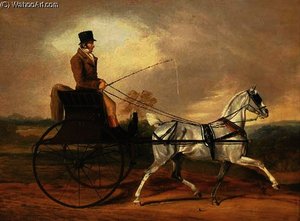
Yale Center for British Art, Нью-ХейвенYale Center for British Art Нью-Хейвен 2 A Gentleman Driving Tandem To A Jaunting Ca, A Sportsman With Shooting Pony And Gun Dogs
Королівська колекція, ЛондонКоролівська колекція Лондон 1 "Banker", a Racehorse Belonging to Frederick, Duke of York

Edwin Cooper крізь роки: унікальні оригінали кожного твору

Усі представлені тут оригінальні роботи Edwin Cooper, датовані 1831, належать до одного року: вони розміщені у порядку популярності.

Роботи за роками

Оберіть рік, щоб переглянути оригінали.

Картини Edwin Cooper: запитання до галереї

Яка найвідоміша робота Edwin Cooper?Дізнатися відповідь

Michael Beverley With His Whipper In And Harriers, (1831). Далі йдуть London To Glasgow Royal Mail On The Open Road та "Banker", a Racehorse Belonging to Frederick, Duke of York.

У якому віці Edwin Cooper створив(ла) Michael Beverley With His Whipper In And Harriers,?Дізнатися відповідь

46 років: Michael Beverley With His Whipper In And Harriers, датована 1831 роком, а Edwin Cooper народився(-лася) у 1785.

Які десять найвідоміших картин Edwin Cooper?Дізнатися відповідь

Michael Beverley With His Whipper In And Harriers,, London To Glasgow Royal Mail On The Open Road, "Banker", a Racehorse Belonging to Frederick, Duke of York, A Chestnut Hunter In A Field, Pointers In A Landscape, Mounted Dragoon By The Sea, A Bay Hunter With A Dog By A Fence, Two Gentlemen With Their Hunters, In An Extensive Landscape, A dark bay horse and a terrier in a landscape та Three Greyhounds In A Landscape. У рейтингу вище вказано рік створення та музей для кожної картини.

Скільки відомих робіт належить Edwin Cooper?Дізнатися відповідь

Наш каталог містить 25 робіт художника Edwin Cooper.

Де можна побачити найвідоміші оригінали Edwin Cooper?Дізнатися відповідь

Переважно в Calke Abbey, Yale Center for British Art (Нью-Хейвен) та Королівська колекція (Лондон). У таблиці музеїв вище наведено їхній повний перелік.

Яким сюжетам віддавав перевагу Edwin Cooper?Дізнатися відповідь

Hunting (8), Landscape (7) та Beach (4), у 25 роботах на цій сторінці.

Які оригінальні роботи Edwin Cooper можна побачити в Calke Abbey?Дізнатися відповідь

A Chestnut Hunter In A Field, A Bay Hunter In A Landscape та A Grey Carriage Horse In A Stable: Calke Abbey зберігає 3 робіт із цієї сторінки.

Edwin Cooper: портрет художника

A Life Painted in Light: The World of Edwin Cooper

Edwin Cooper, born in 1785 and passing in 1833, remains a somewhat enigmatic figure within the landscape of 19th-century British art. While not enjoying the widespread renown of contemporaries like Turner or Constable, his work possesses a quiet dignity and a meticulous attention to detail that speaks volumes about the era’s evolving artistic sensibilities. Cooper's paintings, often depicting idyllic rural scenes and historical narratives, offer a fascinating glimpse into the social and aesthetic values of the time. His career unfolded during a period of significant change – the transition from Neo-Classicism towards Romanticism – and his art reflects this tension between order and emotion, restraint and passion.

Early Years and Artistic Formation

Details regarding Cooper’s early life are scarce, adding to the mystique surrounding him. It is known that he exhibited at the Royal Academy from 1805 onwards, suggesting a formal artistic training, though the specifics of his education remain undocumented. The influence of earlier landscape masters like Richard Wilson is readily apparent in his initial works; these paintings showcase a delicate handling of light and atmosphere, coupled with a compositional clarity characteristic of the Neo-Classical style. However, Cooper quickly began to develop a distinctive voice, moving away from strict imitation towards a more personalized interpretation of the British countryside. He wasn’t merely replicating scenes but imbuing them with a sense of narrative and emotional resonance.

Themes and Techniques: A Blend of History and Landscape

Cooper's oeuvre is characterized by two primary themes: serene landscapes and historical paintings, often intertwined. His landscapes are not wild or untamed; instead, they present an idealized vision of rural England – rolling hills, picturesque villages, and tranquil waterways. These scenes evoke a sense of harmony and order, reflecting the prevailing social ideals of stability and prosperity. His technique is marked by a remarkable precision, with meticulous attention paid to every detail of foliage, architecture, and human figure. He employed a glazing technique, building up layers of translucent color to create depth and luminosity. The historical paintings, while less numerous than his landscapes, reveal Cooper’s interest in British history and mythology. These works often depict scenes from Shakespearean plays or episodes from the lives of prominent historical figures. He approached these subjects with a similar level of detail and realism, striving to recreate the atmosphere and costumes of the period accurately. The combination of landscape and historical narrative is particularly striking in some of his paintings, where he seamlessly integrates human drama into the natural world.

Legacy and Historical Significance

Although Cooper did not achieve widespread fame during his lifetime, his work continues to be appreciated for its technical skill, atmospheric quality, and insightful portrayal of 19th-century British life. He occupies a unique position in art history as a transitional figure – bridging the gap between Neo-Classicism and Romanticism. His paintings offer valuable insights into the evolving aesthetic values of the era, reflecting both the enduring appeal of classical ideals and the growing interest in emotional expression and individual interpretation.
  • Cooper’s meticulous technique influenced later landscape painters.
  • His historical paintings provide a glimpse into Victorian interpretations of British history.
  • The serene quality of his landscapes reflects the social values of the time.
Today, Edwin Cooper's OriginalUniqueArt paintings are increasingly sought after by collectors and art enthusiasts alike. His work serves as a reminder of the beauty and tranquility that can be found in the British countryside, and a testament to the enduring power of artistic skill and vision. He is an artist whose legacy deserves continued exploration and appreciation.