


1


Оновлено Жовтень 2026 · за рейтингом нашої популярності (кількість пошукових запитів, переглядів та замовлень для кожної роботи) · 94 робіт Amédée Masclef у нашому каталозі
Коротко кажучи
З усіх оригінальних робіт, які залишив Amédée Masclef, найвідомішою є Untitled (AQTDFX) (2001). Слідом за ними йдуть Untitled (AQTDGM) (2001) та Untitled (AQTDFV) (2001). Наш каталог містить 94 робіт Amédée Masclef; галерея зберегла 94 найвідоміших у світі творів, кожен із яких представлений із датою створення, назвою музею та своєю історією.


 Untitled (AQTDE5)2001
12
 Untitled (AQTDDV)2001
13
 Untitled (AQTDD5)2001
14
 Untitled (AQTDCB)2001
15
 Untitled (AQTDCZ)2001
16
 Untitled (AQTDDB)2001
17
 Untitled (AQTDCD)2001
18
 Untitled (AQTDCH)2001
19
 Untitled (AQTDE9)2001
20
 Untitled (AQTDD7)2001
21
 Untitled (AQTDGZ)2001
22
 Untitled (AQTDET)2001
23
 Untitled (AQTDGH)2001
24
 Untitled (AQTDFD)2001
25
 Untitled (AQTDF9)2001
26
 Untitled (AQTDFR)2001
27
 Untitled (AQTDF7)2001
28
 Untitled (AQTDHF)2001
29
 Untitled (AQTDDR)2001
30
 Untitled (AQTDDX)2001
31
 Untitled (AQTDHM)2001
32
 Untitled (AQTDD9)2001
33
 Untitled (AQTDG9)2001
34
 Untitled (AQTDG5)2001
35
 Untitled (AQTDGP)2001
36
 Untitled (AQTDHD)2001
37
 Untitled (AQTDFH)2001
38
 Untitled (AQTDBX)2001
39
 Untitled (AQTDEF)2001
40
 Untitled (AQTDCX)2001
41
 Untitled (AQTDER)2001
42
 Untitled (AQTDF3)2001
43
 Untitled (AQTDED)2001
44
 Untitled (AQTDDD)2001
45
 Untitled (AQTDG7)2001
46
 Untitled (AQTDEH)2001
47
 Untitled (AQTDFZ)2001
48
 Untitled (AQTDE7)2001
49
 Untitled (AQTDDZ)2001
50
 Untitled (AQTDDH)2001
51
 Untitled (AQTDCP)2001
52
 Untitled (AQTDHH)2001
53
 Untitled (AQTDCV)2001
54
 Untitled (AQTDEM)2001
55
 Untitled (AQTDG3)2001
56
 Untitled (AQTDEK)2001
57
 Untitled (AQTDC5)2001
58
 Untitled (AQTDFM)2001
59
 Untitled (AQTDCK)2001
60
 Untitled (AQTDCM)2001
61
 Untitled (AQTDDM)2001
62
 Untitled (AQTDGK)2001
63
 Untitled (AQTDCR)2001
64
 Untitled (AQTDHK)2001
65
 Untitled (AQTDGB)2001
66
 Untitled (AQTDCT)2001
67
 Untitled (AQTDFT)2001
68
 Untitled (AQTDCF)2001
69
 Untitled (AQTDFF)2001
70
 Untitled (AQTDGV)2001
71
 Untitled (AQTDBZ)2001
72
 Untitled (AQTDFP)2001
73Untitled (AQTDGD)2001
74
 Untitled (AQTDF5)2001
75
 Untitled (AQTDBV)2001
76
 Untitled (AQTDH9)2001
77
 Untitled (AQTDC7)2001
78
 Untitled (AQTDFK)2001
79
 Untitled (AQTDC9)2001
80
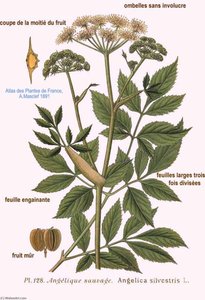 Untitled (AQTDBT)2001
81
 Untitled (AQTDDT)2001
82
 Untitled (AQTDEX)2001
83
 Untitled (AQTDE3)2001
84
 Untitled (AQTDEV)2001
85
 Untitled (AQTDHB)2001
86
 Untitled (AQTDH3)2001
87
 Untitled (AQTDGR)2001
88
 Untitled (AQTDC3)2001
89
 Untitled (AQTDD3)2001
90
 Untitled (AQTDEB)2001
91
 Untitled (AQTDH7)2001
92
 Untitled (AQTDEP)2001
93
 Untitled (AQTDGF)2001
94
 Untitled (AQTDGT)
Чотири сюжети, які найчастіше зустрічаються в цих оригіналах, кожен із найкращим прикладом.
Untitled (AQTDFX) (2001). Далі йдуть Untitled (AQTDGM) (2001) та Untitled (AQTDFV) (2001).
Untitled (AQTDFX), Untitled (AQTDGM), Untitled (AQTDFV), Untitled (AQTDH5), Untitled (AQTDFB), Untitled (AQTDGX), Untitled (AQTDEZ), Untitled (AQTDDK), Untitled (AQTDDP) та Untitled (AQTDDF). У рейтингу вище вказано рік створення та музей для кожної картини.
Наш каталог містить 94 робіт художника Amédée Masclef.
Botanical art (12), Plant anatomy (6) та Detailed drawing (6), у 94 роботах на цій сторінці.
Symbolism та Scientific illustration, судячи з оригіналів на цій сторінці.
In the twilight of the nineteenth century, as the rigid structures of academic realism began to dissolve into the ethereal mists of Symbolism, the work of Amédée Masclef emerged as a profound bridge between two worlds. Born on August 9, 1858, in Béthune, Masclef did not merely observe nature; he sought to interpret its divine architecture. His journey was one of unique dualities, shaped by his early theological studies at Amiens Cathedral and his eventual ordination as an abbé in 1885. This spiritual foundation infused his artistic practice with a sense of reverence, transforming the act of botanical illustration from a scientific endeavor into a meditative exploration of the sacred order hidden within the natural world.
Masclef’s artistic development was deeply rooted in the traditions of the Barbizon school, a movement that championed the direct, unadorned observation of nature. From this lineage, he inherited a commitment to authenticity and a profound respect for the en plein air spirit. However, Mascle and his contemporaries were increasingly drawn toward the burgeoning Symbolist movement, which sought to capture subjective experience and emotional resonance. In Masclef’s hands, a simple dandelion or a delicate sprig of chamomile became more than mere specimens; they were vessels of sentiment, imbued with a dreamlike quality that transcended their physical forms.
The pinnacle of Masclef’s contribution to the visual arts lies in his monumental achievement, the Atlas des Plantes de France. Published in 1891 and revised in 1893 in collaboration with Gaston Bonnier, this extraordinary work consists of four hundred meticulously rendered plates. This was not merely a catalog of flora but a triumph of watercolor technique, where precision met poetry. Each plate demonstrates a masterful command of layering and hatching, capturing the delicate textures, translucent petals, and intricate structures of French vegetation with scientific accuracy and an unmistakable artistic soul.
Beyond his famous atlas, Masclef’s oeuvre is characterized by several key achievements that solidified his place in botanical history:
To look upon a Masclef watercolor is to witness the intersection of the analytical mind and the searching soul. His work serves as a vital historical record of the French landscape, yet it remains eternally contemporary through its emotional depth. While he may be overshadowed in popular memory by the more flamboyant figures of the Symbolist movement, his legacy persists in the quiet, enduring beauty of his botanical portraits. He remains a pivotal figure who proved that the most minute details of the natural world—the curve of a leaf or the hue of a petal—could hold the weight of the infinite.


