
 Переглянути в інтер'єрі
 Надіслати
 Поділитися
 Деталі

 Завантажити
 Схожі експонати
 Рентгенівське дослідження
 Слайд-шоу
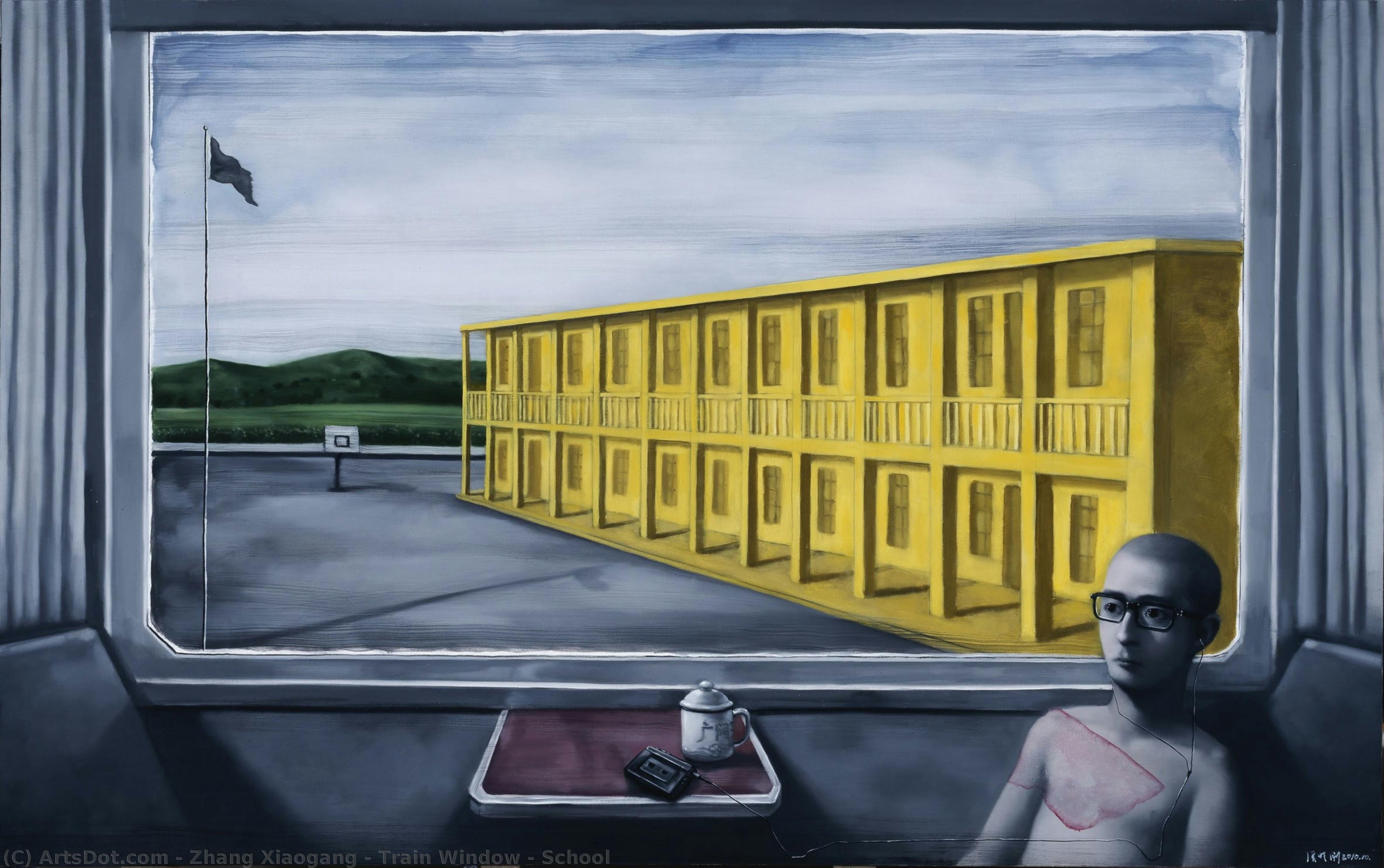
Train Window - School
 220.0 x 140.0 cm
 Today Art Museum
 Читати далі
Гікле / Художній принт
Музейна якість друку جيкле або на полотні з оперативним виготовленням та різноманітними варіантами фінішної обробки. ( Перейти до замовлення ручного розпису Перейти до зображення)




































Обирайте з наших стандартних розмірів, що відповідають оригінальним пропорціям твору мистецтва.

Ви можете вказати власні розміри, щоб репродукція ідеально підійшла до конкретної рами або інтер'єру. Якщо обраний вами розмір не відповідає пропорціям оригіналу, ми або обріжемо полотно, або розширимо зображення за допомогою дзеркального відображення чи суцільної заливки країв. Перед початком виробництва вам буде надіслано цифровий макет для затвердження.
Будь ласка, зверніть увагу, що попередній перегляд на екрані не відображає фактичне обрізання або розширення. Тільки макет точно покаже фінальну композицію.
Хоча можливість замовлення індивідуальних розмірів доступна, ми рекомендуємо обирати формат із попередньо визначеного списку, щоб зберегти оригінальні пропорції.
Доставка по всьому світу () за 2 тижні замість стандартних 4/5 тижнів. (11 Серпень)

Безкоштовна експрес-доставка по всьому світу

Високоякісне лляне полотно

Повне страхове покриття доставки

Гарантія відшкодування митних зборів

Гарантія точного відтворення кольорів

Політика повернення протягом 60 днів (лише у разі виявлення дефектів)

Гарантія повернення 100% коштів

Знижка на оптові замовлення
 Скляний варіант доступний лише для розмірів до 110 см

Train Window - School
Гікле / Художній принт
Розмір репродукції
-


Загальна вартість
$ 80
Біографія митця
Zhang Xiaogang: A Surrealist Echo of Chinese History
Zhang Xiaogang (born 1958) stands as one of China’s most prominent contemporary artists, renowned for his distinctive blend of surrealism and symbolism—particularly within the framework of exploring familial history and grappling with the legacy of the Cultural Revolution. His artistic journey began in Kunming, Yunnan Province, where he was born to Qi Ailan and Zhang Jing, both government officials who instilled in him a deep appreciation for art from a young age – a formative influence that would shape his lifelong dedication to creative expression. As recounted by his mother, “From early on, my parents worried that I would go out and get into trouble. They gave us paper and crayons so we could draw at home. . . . I gained more and more interest in art. I had a lot of time, because I didn’t have to go to school. My interest increased.” The Cultural Revolution profoundly impacted Xiaogang's formative years, shaping his worldview and subtly informing the thematic concerns that permeate his oeuvre. Sent to work on a farm as part of the “down to the countryside movement” in 1976—a period marked by significant social upheaval—he encountered Lin Ling, who mentored him in watercolor techniques, emphasizing formal composition and sketching skills. This early training solidified Xiaogang’s commitment to visual art and fueled his ambition to pursue it as a vocation. “When I was 17, I told myself I wanted to be an artist. . . I felt that art was like a drug. Once you are addicted, you can't get rid of it.” Xiaogang’s artistic style is instantly recognizable: predominantly monochromatic portraits—often featuring large, dark-pupiled eyes—executed in oil paint with meticulous attention to detail and textural impasto. His signature series, “Bloodline,” centers around stylized depictions of Chinese individuals, deliberately referencing family photographs from the 1950s and 60s – a poignant commentary on collective memory and familial bonds. The unsettling gaze of these figures embodies both vulnerability and resilience, mirroring the anxieties and uncertainties experienced during China’s turbulent past. Beyond painting, Xiaogang has ventured into sculpture, translating his visual vocabulary into three dimensions. He skillfully reimagines characters from his “Bloodline” series as sculptures, capturing their essence in a new medium—a testament to his artistic versatility and unwavering exploration of thematic depth. These sculptures have garnered critical acclaim and appeared in numerous exhibitions, cementing Xiaogang’s position as a leading figure in contemporary Chinese art. His work has been described as "surrealist" due to its unsettling juxtaposition of familiar imagery with dreamlike distortions—a technique that allows him to delve beneath surface appearances and confront profound questions about identity, history, and the human condition. Zhang Xiaogang’s contribution to modern Chinese art lies in his ability to synthesize personal experience with historical context, resulting in artworks that resonate powerfully with audiences worldwide. He continues to push boundaries and redefine artistic expression, securing his place as an enduring icon of China's creative landscape.
Zhang Xiaogang
1958 -
Досьє митця
- Artistic Movement Or Style: Surrealism; Symbolist painting
- Artists Who Influenced This Artist: Lin Ling
- Date Of Birth: 1958
- Full Name: Zhang Xiaogang
- Nationality: Chinese
- Notable Artworks:
- Untitled
- Bloodline: Big Family
- Place Of Birth: Kunming, Yunnan Province

