

 Переглянути в інтер'єрі
 Надіслати
 Поділитися
 Деталі
 Посібник

 Завантажити
 Схожі предмети колекціонування
 Рентгенівське дослідження
 Слайд-шоу
 Статистика переглядів
Cows in India
 Oil On Canvas
- WallArt
 1939
1939 66.0 x 68.0 cm
 CAFA Art Museum
 Читати далі
Гікле / Художній принт
Музейна якість друку جيкле або на полотні з оперативним виготовленням та різноманітними варіантами фінішної обробки. ( Купити картину ручної роботи Перейти до цифрових зображень)




P118B ₴10

P118H ₴10

P118W ₴10

P438Z ₴10

P508JH ₴12

P508YH ₴12

P805H ₴10

P805Z ₴10

P919BZ ₴10

P919G ₴10

P919XJ ₴10

P959ZH ₴10

P968JZ ₴12

W106C ₴8

W218G ₴10

W218JH ₴8

W218Y ₴10

W307PJ ₴10

W316G ₴10

W316PJ ₴8

W316Y ₴10

W398PJ ₴8

W4111J ₴10

W500HY ₴15

W500JH ₴15

W692G ₴12

W849H ₴8

W940BG ₴15

W953PJ ₴8




Обирайте з наших стандартних розмірів, що відповідають оригінальним пропорціям твору мистецтва.

Введіть необхідну ширину та висоту, щоб принт ідеально підійшов до вашої рами або стіни. Принт можна лише обрізати, але не можна зробити більшим за оригінал, тому при зміні пропорцій частина зображення буде втрачена. Перед друком ми надсилаємо вам цифровий макет для затвердження. Зображення на цій сторінці не відображає реальну обрізку — її можна побачити лише на макеті.
Доставка по всьому світу () за 2 тижні замість стандартних 4/5 тижнів. (23 Жовтень)

Безкоштовна експрес-доставка по всьому світу

Високоякісне лляне полотно

Повне страхове покриття доставки

Гарантія повернення митних зборів

Гарантія точного відтворення кольорів

Політика повернення протягом 100 днів (лише у разі виявлення дефектів)

Гарантія повернення 100% коштів

Знижка на оптові замовлення
 Скляний варіант доступний лише для розмірів до 110 см

Cows in India
Гікле / Художній принт
Розмір репродукції
-


Загальна вартість
₴ 3596
A Serene Pastoral: Unveiling Xu Beihong’s “Cows in India”
Xu Beihong's "Cows in India," painted in 1939, is more than a simple depiction of bovine life; it’s a poignant meditation on rural harmony, cultural exchange, and the enduring spirit of the Indian countryside. Born into modest circumstances in Yixing, China, Xu’s artistic journey was one of constant evolution, driven by a desire to bridge Eastern tradition with Western innovation. This particular work exemplifies that synthesis beautifully – a masterful blend of meticulous Chinese ink techniques with the subtle nuances of oil painting, creating an image both deeply rooted in its subject matter and imbued with a sense of quiet contemplation.
The scene unfolds with remarkable detail: three substantial bulls repose peacefully on the earth near a gently flowing river. Each animal is rendered with a sensitivity that transcends mere representation; their forms are weighty, grounded, yet possess an undeniable grace. The composition isn’t merely observational; it's carefully constructed to evoke a feeling of tranquility and reverence. Notice how Xu subtly utilizes light and shadow – the warm glow illuminating the bulls contrasts sharply with the cooler tones of the riverbank, drawing the viewer’s eye and emphasizing the scene’s inherent serenity.
A Crossroads of Cultures: Historical Context
Understanding “Cows in India” requires acknowledging Xu Beihong's pivotal role as a pioneer in modern Chinese art. Following his studies in Europe, he returned to China with a renewed commitment to forging a distinctly ‘Chinese’ artistic identity while embracing the lessons learned from Western techniques. His time in India, specifically his appointment as a visiting professor at Rabindranath Tagore’s Visva-Bharati University, proved profoundly influential. This sojourn wasn't simply a research trip; it was an immersion into a culture where cattle held immense spiritual significance – revered as symbols of fertility, abundance, and the interconnectedness of all life.
The backdrop to this painting is rich with symbolism. The river, a recurring motif in Chinese art, represents fluidity, continuity, and the cyclical nature of existence. It’s a visual metaphor for the passage of time and the enduring connection between humanity and the natural world. Furthermore, Xu's deliberate choice to depict these bulls in repose speaks volumes about the values he admired – patience, humility, and a deep respect for the rhythms of rural life.
Technique and Artistic Style
Xu Beihong’s mastery is evident in every brushstroke. He skillfully employs oil on board, layering colors to create depth and texture while retaining the characteristic fluidity of ink painting. The rendering of the bulls' musculature is particularly impressive – a testament to his keen observation skills and his ability to capture both form and movement. The background landscape, painted with broad, confident strokes, establishes a sense of vastness and openness, anchoring the scene within its rural setting.
While rooted in traditional Chinese aesthetics, “Cows in India” demonstrates Xu’s willingness to experiment with Western techniques. The use of light and shadow, for instance, is reminiscent of Impressionist painters, adding a layer of atmospheric depth to the composition. This fusion of styles – Eastern sensibility combined with Western innovation – defines Xu Beihong's unique artistic vision.
A Legacy of Harmony: Emotional Impact
“Cows in India” transcends its subject matter to evoke a profound sense of peace and contemplation. It’s an invitation to slow down, appreciate the beauty of the natural world, and reflect on our relationship with the land and its creatures. The painting's quiet dignity and understated elegance speak to a deeper truth – a recognition that true beauty lies not in grand gestures or dramatic displays, but in the simple rhythms of everyday life. Reproductions of this work offer a window into a bygone era, capturing a moment of serene harmony between humanity and nature—a timeless reminder of the values held dear by rural communities across India.
Запитання та відповіді
Який емоційний тон має «Cows in India» Ху Беїхонг?
«Cows in India» Ху Беїхонг передає Tranquil емоційний тон.
Яку палітру та яке почуття поєднує в собі "Cows in India"?
Палітра Earthy у творі «Cows in India» Ху Беїхонг гармонійно поєднується з його Tranquil емоційним настроєм. Колір — це один із способів, за допомогою якого витвір передає почуття.
Чи доступна робота "Cows in India" у вигляді художнього принта?
Щоб замовити принт «Cows in India» Ху Беїхонг, просто перейдіть на відповідну сторінку Художній принт: художній принт на бавовняному полотні або архівному канвас-папері.
Біографія митця
A Pioneer Bridging Worlds: The Life and Art of Xu Beihong
Xu Beihong, born Xu Shoukang in 1895 in the tranquil town of Yixing, Jiangsu province, stands as a monumental figure in 20th-century Chinese art. His life was a compelling narrative of artistic evolution, dedicated to forging a new path for Chinese painting—one that harmoniously blended the rich traditions of his homeland with the innovations of Western art. From humble beginnings steeped in classical learning and traditional brushwork under the tutelage of his father, Xu Dazhang, a struggling artist himself, young Beihong’s early life was marked by both artistic promise and economic hardship. This formative period instilled within him not only technical skill but also a deep appreciation for Chinese culture and a resilient spirit that would define his career. The family's itinerant existence, painting portraits and landscapes to make ends meet, exposed him to the realities of rural China and fueled an early ambition to elevate the status of art and artists. A pivotal moment arrived when he adopted the name “Beihong,” meaning "sad wild goose," a reflection perhaps of his youthful anxieties and aspirations—a poignant symbol of both longing and determination.The European Awakening: Forging a New Artistic Vision
Driven by a thirst for knowledge and a desire to modernize Chinese art, Xu Beihong embarked on a transformative journey to Europe in 1917. Initially studying in Tokyo, he soon secured a coveted scholarship to the prestigious École Nationale Supérieure des Beaux-Arts in Paris. This period proved crucial in shaping his artistic philosophy and technique. Immersed in the heart of European art, he meticulously studied oil painting and drawing, mastering Western principles of perspective, composition, and realism. While embracing these new techniques, Xu Beihong remained critical of certain modernist trends prevalent at the time, favoring instead the classical traditions he encountered. He adopted the French name "Ju Péon" during his stay, a testament to his immersion in European culture—a deliberate choice that signaled his intention to absorb and synthesize Western artistic knowledge. However, it was not merely technical skill that he sought; he aimed to understand the underlying principles of Western art and adapt them to revitalize Chinese painting—a vision articulated in his later writings and teachings. This period laid the foundation for his unique artistic style, characterized by a powerful synthesis of Eastern aesthetics and Western techniques. He spent years studying the works of masters like Ingres and Delacroix, absorbing their meticulous draftsmanship and understanding of form and light.Iconic Motifs and Artistic Style: A Synthesis of East and West
Upon returning to China in 1927, Xu Beihong embarked on a prolific career marked by groundbreaking works that captured the spirit of a nation undergoing profound change. He quickly became renowned for his dynamic depictions of horses and birds—motifs that transcended mere representation to become powerful symbols of strength, freedom, and national pride. His horses, in particular, are celebrated for their muscularity, energy, and expressive power, often depicted galloping across vast landscapes with a sense of untamed spirit. Galloping Horse, perhaps his most iconic work, embodies this perfectly—a testament to the vitality and resilience of the Chinese people. The painting’s dramatic composition, bold brushstrokes, and vibrant colors convey a feeling of unstoppable momentum and heroic grandeur. Beyond these signature subjects, Xu Beihong also excelled in portraiture and historical painting, demonstrating his mastery of both oil painting and traditional ink wash techniques. His style was characterized by a unique blend of bold brushstrokes, precise delineation, and a masterful command of light and shadow. He seamlessly integrated Western perspective and composition into the fluidity of Chinese brushwork, creating a visual language that was both innovative and deeply rooted in tradition. Foolish Old Man Who Removed the Mountains, inspired by a traditional Chinese fable, exemplifies his ability to imbue classical themes with modern energy and social commentary—a poignant reflection on human ambition and the limitations of earthly endeavors.Legacy and Influence: Shaping Modern Chinese Art Education
Xu Beihong’s impact extended far beyond his own artistic creations; he was also a pioneering art educator who profoundly shaped the development of modern Chinese art education. After returning to China, he held teaching positions at several prestigious universities, including National Central University and Peking University, where he tirelessly advocated for curriculum reform. He championed the incorporation of Western sketching and oil painting techniques into traditional Chinese art programs, believing that this integration was essential for revitalizing Chinese artistic expression. He stressed the importance of observation, anatomical accuracy, and a thorough understanding of perspective—elements he had acquired during his time in Europe—while simultaneously emphasizing the preservation of fundamental Chinese brushwork principles. Following the founding of the People's Republic of China in 1949, he became president of the Central Academy of Fine Arts and chairman of the China Artists Association, further solidifying his influence on the nation’s artistic landscape. He trained generations of artists who went on to become leading figures in Chinese art, carrying forward his vision of a modern yet culturally grounded aesthetic. Xu Beihong's emphasis on artistic conception, the importance of life experiences, and the integration of Eastern and Western traditions left an indelible mark on Chinese art history, cementing his legacy as one of its most influential figures. His work continues to inspire artists and captivate audiences worldwide, serving as a powerful reminder of the enduring power of art to bridge cultures and transcend boundaries.Key Works
* Galloping Horse (1934): Arguably his most famous painting, embodying strength, freedom, and national pride. * Foolish Old Man Who Removed the Mountains (1936): A masterful blend of traditional fable and modern artistic expression. * Numerous portraits of prominent figures, showcasing his technical skill and ability to capture personality. * Landscapes depicting the diverse beauty of China’s terrain.Further Resources
- Wikipedia Entry: https://en.wikipedia.org/wiki/Xu_Beihong
- Stanford University Article: https://art.stanford.edu/events/artist-xu-beihong-and-his-family-maos-china

Ху Беїхонг
1895 - 1953 , Китай
Довідкова інформація
- Artistic Movement Or Style: Сучасне китайське живописство
- Artists Or Movements Influenced By This Artist: ['Західне мистецтво']
- Date Of Birth: 1895 рік
- Date Of Death: 1953 рік
- Full Name: Xu Beihong
- Nationality: Китайський
- Notable Artworks:
- Коня чимчикують
- Старий дурак
- Мати та дитина
- Place Of Birth: Іксин, Китай
Схожі статті

Вікові традиції олійного живопису: техніка, історія та сучасна практика
Дізнайтеся про вікову історію олійного живопису, техніки майстрів та сучасні тенденції. Відкрийте світ класичного мистецтва та натхнення для власної творчості!
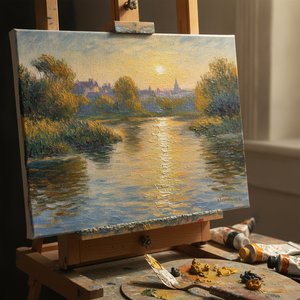
The Soul of Impressionism: Why Oil on Canvas Captures Eternal Light and Timeless Emotion
Discover the enchanting alchemy of Impressionism. Explore how the mastery of oil on canvas, through glazing and impasto, captures eternal light and emotion. Perfect for lovers of Monet and Van Gogh seeking the profound depth of hand-painted fine art.

The Enduring Power of Painting: A Historical & Contemporary Exploration of Form and Emotion
Explore the rich history & enduring techniques of oil painting with OriginalUniqueArt. Discover masterpieces, learn about art collecting, and find authentic handmade reproductions crafted by skilled artists.

Oil on Canvas: A Historical & Technical Exploration of a Timeless Artistic Medium
Explore the rich history & enduring techniques of oil painting on canvas. Discover the science behind its longevity, conservation practices, and contemporary relevance. Expert insights for art enthusiasts.

The Enduring Legacy of Oil on Canvas: Technique, History & Aesthetic Impact
Explore the rich history & techniques of oil painting – from Renaissance masters to Impressionism. Discover pigments, layering methods, and why this timeless medium endures. Expert insights for artists & art enthusiasts.
