

 Переглянути в інтер'єрі
 Надіслати як листівку
 Поділитися
 Детальніше

 Завантажити
 Схожі експонати
 Рентгенівське дослідження
 Слайд-шоу
At the Window


 Читати далі
Придбайте цифрову копію високої роздільної здатності з покращеною якістю, що значно перевершує онлайн-перегляд.
Кожен файл ретельно підготовлений нашими фахівцями за допомогою сучасних інструментів та професійної ручної ретуші. Ми гарантуємо виняткову чіткість, точну передачу кольору та високу деталізацію кожного зображення.
Фінальний файл надсилається електронною поштою протягом 72 годин і оптимізований для негайного використання у професійних виданнях та друкованих матеріалах. Таку якість обирають провідні дизайнерські студії, видавництва та галереї.
Цифрове зображення
Завантажте файл високої роздільної здатності для особистого використання, друку та творчих проєктів. ( Замовити принт Замовити репродукцію ручної роботи)
Переваги кожного замовлення цифрових зображень
Експертна цифрова доставка з гарантією якості
Обираючи OriginalUniqueArt.com, ви отримуєте не просто зображення — ви отримуєте професійно вдосконалений цифровий витвір мистецтва, створений з надзвичайною точністю та підкріплений гарантією задоволення. Ось усе, що автоматично додається до вашого замовлення:

Швидка доставка на email
Ваш цифровий файл із зображенням високої роздільної здатності буде надісланий вам електронною поштою протягом 72 годин після оформлення замовлення — він буде готовий до негайного використання.

Цифровий файл із покращенням ШІ
Ваш витвір мистецтва професійно оптимізовано за допомогою передових інструментів штучного інтелекту та ручної корекції, що забезпечує максимальну деталізацію, чіткість і точність передачі кольорів.

Безкоштовне повторне завантаження назавжди
Випадково видалили або втратили файл? Не хвилюйтеся — ми надішлемо його вам повторно в будь-який час безкоштовно.

Без митних зборів — ніколи
Насолоджуйтесь вашим витвором мистецтва миттєво без жодних мит, зборів або плати за доставку — цифрові завантаження завжди не оподатковуються.

Гарантія точності кольорів
Ми гарантуємо максимально точне відтворення оригінальних кольорів на вашому цифровому зображенні завдяки використанню професійних інструментів та систем управління кольором.

Гарантія задоволення протягом 60 днів
Якщо ви не задоволені придбаним цифровим зображенням, ми відкоригуємо його або повернемо 100% вартості протягом 60 днів — без жодних запитань.

Гарантія повернення 100% коштів
Не задоволені покупкою? Отримайте повне повернення коштів протягом 60 днів після отримання цифрового файлу — без жодних запитань.

Знижки на оптові замовлення
Купуйте 3 зображення — заощаджуйте 10% — Купуйте 5 — заощаджуйте 15% — Купуйте 10+ — заощаджуйте 20%. Чудово підходить для творчих проєктів, галерей та агентств.
Опис колекційного об'єкта
A Moment Frozen in Time: Exploring Winslow Homer’s “At the Window”
Winslow Homer's "At the Window," painted in 1872, isn’t merely a depiction of a woman gazing out at a garden; it’s a masterful distillation of American Realism—a movement that championed honest observation and eschewed romantic embellishment. More than just capturing a picturesque scene, Homer achieves something deeper: he freezes a fleeting moment of contemplation within the quiet grandeur of rural New England. This piece resides in the Princeton University Art Museum, offering visitors a chance to experience firsthand the profound impact of this iconic artwork.The Essence of Realism: Technique and Detail
Homer’s approach is strikingly direct. He employs oil paints on canvas with meticulous attention to texture—notice the rough grain of the wooden window frame juxtaposed against the smooth sheen of the woman's garment. The artist skillfully renders light, bathing her face in a soft glow that emphasizes her stillness and introspection. Homer’s technique prioritizes accuracy; every element contributes to an overall impression of understated beauty and palpable atmosphere. This dedication to realism distinguishes “At the Window” from its predecessors, rejecting idealized representations for a grounded portrayal of everyday life.Symbolism Within Simplicity: The Garden Motif
Beyond mere visual representation lies a subtle layer of symbolism. The garden itself—represented with carefully positioned flowering plants—serves as a powerful emblem of growth, renewal, and the passage of time. It’s a deliberate choice that invites viewers to consider themes of serenity, solitude, and perhaps even longing. Homer doesn't spell out these ideas; instead, he presents them organically within the frame, allowing the viewer to interpret their significance personally. The woman’s posture—head resting gently against her hand—further reinforces this mood of quiet contemplation.Historical Context: The Rise of American Realism
“At the Window” emerged during a pivotal moment in American art history – the burgeoning influence of Realism. Artists like Homer rejected the conventions of Romanticism, favoring instead an unflinching gaze upon the realities of American life. This movement sought to depict subjects truthfully, without idealization or sentimentality, reflecting the spirit of the era’s social and intellectual currents. The painting's placement within Princeton University Art Museum underscores its importance as a cornerstone of this influential artistic movement.A Legacy of Quiet Beauty: Why “At the Window” Endures
The enduring appeal of Homer’s masterpiece lies in its ability to convey emotion through understated visual language. It’s a portrait not of grand gesture or dramatic narrative, but of quiet dignity and profound introspection—qualities that resonate powerfully across generations. "At the Window" continues to inspire artists and collectors alike, reminding us that beauty can be found in simplicity and that true art captures the essence of human experience with remarkable precision. If you’re seeking a stunning oil painting reproduction of this masterpiece, visit /art/list/?Filter=8BX2FW-Winslow-Homer-At-the-Window/.Біографія митця
Winslow Homer: A Brush With the American Spirit
Winslow Homer, born in Boston in 1836, wasn’t sculpted by the traditional European art academies that shaped so many of his contemporaries. Instead, he emerged from a distinctly American experience, one rooted in practicality and observation. His journey began not with grand historical canvases, but as a commercial illustrator at the tender age of twelve for Harper's Weekly. This early apprenticeship was formative, honing an exceptional ability to capture scenes with clarity and detail – skills that would become hallmarks of his mature work. He wasn’t learning perspective in Paris; he was learning to *see* America, its people, and its unfolding story. The bustling streets of Boston, the quiet dignity of rural New England life, these were his first subjects, rendered with a precision born of necessity for the demands of print media. This foundation allowed him to transition into painting, initially in watercolor, before fully embracing the expressive potential of oil paints.From Pastoral Scenes to the Raw Power of Nature
Homer’s early paintings often depicted idyllic scenes – children playing, farmers tending their fields, quiet moments of domesticity. These works, while charming, hinted at a deeper artistic sensibility waiting to be unleashed. The catalyst for this transformation was undoubtedly the Civil War. As a war correspondent for Harper's Weekly, Homer witnessed firsthand the brutal realities of conflict. He didn’t focus on heroic battles or grand strategies; instead, he documented the everyday lives of soldiers and civilians, the quiet moments of grief and resilience amidst chaos. This experience profoundly altered his artistic vision. The pastoral scenes gave way to more challenging subjects: veterans grappling with trauma, freed slaves navigating a new world, and the stark beauty of landscapes touched by hardship. He began to explore themes of struggle, isolation, and humanity’s precar He wasn't interested in imitating European styles; he wanted to create an art that was uniquely American, reflecting its landscapes, its people, and its challenges. His style also evolved, becoming bolder and more direct, reflecting the raw emotional impact of what he had witnessed. Breezing Up (A Fair Wind), painted in 1876, exemplifies this skill – a quintessential depiction of American maritime life, brimming with energy and movement. The Gulf Stream, created decades later, is perhaps his most iconic work, a powerful and symbolic portrayal of a lone man battling the forces of nature, a metaphor for human struggle against overwhelming odds. He possessed an extraordinary ability to capture light, whether it was the dazzling glare of the sun on the ocean or the soft glow of twilight over a rural landscape. This mastery extended to his watercolors, where he achieved remarkable atmospheric effects through vibrant colors and delicate washes. Innocence, a poignant portrayal of childhood set against the backdrop of nature, and **Man of Science** demonstrating his skill in capturing human psychology, are testaments to this commitment.Mastering Light, Texture, and the American Landscape
Winslow Homer's artistic technique is immediately recognizable for its solidity and texture. He wasn’t interested in fleeting impressions; he wanted to build up a sense of tangible reality on the canvas. His oil paintings are characterized by a direct painting approach – layers of paint applied with confidence, creating depth and luminosity. He wasn’t simply painting what he saw; he was conveying a feeling, an emotional truth about the human condition. His unwavering dedication to capturing the essence of American life—from the serene beauty of coastal vistas to the arduous realities of rural existence—established him as a cornerstone of American Realism.A Legacy Forged in American Realism
His influence can be seen in the work of later American painters who sought to depict their own country with similar directness and emotional depth. He wasn’t interested in imitating European styles; he wanted to create an art that was uniquely American, reflecting its landscapes, its people, and its challenges. His legacy lies in his ability to portray America with honesty and authenticity, without romanticizing or idealizing it. He remained a pivotal figure in the development of American Realism, securing his place as one of America’s most important and enduring artists.- His work continues to inspire contemporary artists.
- Homer remains a cornerstone of American Realism.
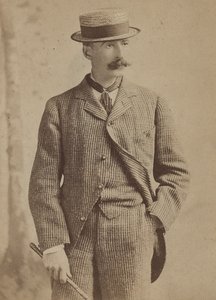
Вінслоу Гомер
1836 - 1910 , США
Основна інформація
- Artistic Movement Or Style: Американський Реалізм
- Artists Or Movements Influenced By This Artist: ['Американські художники']
- Artists Who Influenced This Artist:
- Барбізоньський Школа
- Кубер
- Мілет
- Date Of Birth: 3 жовтня 1836 р.
- Date Of Death: 1910 р.
- Full Name: Winslow Homer
- Nationality: Американський
- Notable Artworks:
- Бриз Вітер
- Течія Густини
- Ніна
- Place Of Birth: Бостон, США

