
 Переглянути в інтер'єрі
 Надіслати як листівку
 Поділитися
 Деталі витвору
 Посібник

 Завантажити
 Схожі екземпляри
 Рентгенівське дослідження
 Слайд-шоу
 Q&A
Q&A Статистика
Untitled (mural study)

- 143.0 x 49.0 cm


 Розгорнути текст
Мистецький твір, представлений на цій сторінці, захищений законом про авторське право, що унеможливлює легальне створення або продаж його ідентичної репродукції. Цей захист забезпечується відповідно до міжнародних угод, таких як Бернська конвенція та національним законодавством, зокрема положеннями, що викладені в Законодавство США про авторське право — Розділ 17. Всі права захищені. Будь-яке використання без дозволу заборонено.
Цей метод повністю відповідає нормам авторського права, оскільки він не передбачає копіювання чи дублювання захищеного твору мистецтва. Натомість це творче переосмислення — створення нового малюнка під впливом оригіналу, який не є його точним відтворенням.
Гікле / Художній принт
Друк جيкле або на полотні музейної якості з оперативним виготовленням та різноманітними варіантами фінішної обробки. ( Замовити картину ручної роботи Перейти до цифрових зображень)




































Обирайте з наших стандартних розмірів, що відповідають оригінальним пропорціям твору мистецтва.

Введіть необхідну ширину та висоту, щоб принт ідеально підійшов до вашої рами або стіни. Принт можна лише обрізати, але не можна зробити більшим за оригінал, тому при зміні пропорцій частина зображення буде втрачена. Перед друком ми надсилаємо вам цифровий макет для затвердження. Зображення на цій сторінці не відображає реальну обрізку — її можна побачити лише на макеті.
Доставка по всьому світу () за 2 тижні замість стандартних 4/5 тижнів. (2 Листопад)

Безкоштовна експрес-доставка по всьому світу

Високоякісне лляне полотно

Повне страхове покриття доставки

Гарантія повернення митних зборів

Гарантія точного відтворення кольорів

Політика повернення протягом 100 днів (лише у разі виявлення дефектів)

Гарантія повернення 100% коштів

Пропозиція на оптові замовлення
 Скляний варіант доступний лише для розмірів до 110 см

Untitled (mural study)
Гікле / Художній принт
Розмір репродукції
-


Підсумкова вартість
₴ 3596
Біографія митця
Early Life and Education
William Zorach, born Zorach Gorfinkel on February 28, 1889, in Jurbarkas, Lithuania (then part of the Russian Empire), was the eighth of ten children. His family emigrated to Cleveland, Ohio, in 1894. The Zorachs faced poverty and discrimination upon arrival in America. William left school after the seventh grade to support his family, working as a lithographer's apprentice. He later pursued artistic training at the Cleveland School of Art from 1905 to 1907, studying drawing and painting. In 1908, he moved to New York City and enrolled in the National Academy of Design. A pivotal moment arrived in 1910 when Zorach traveled to Paris, where he met Marguerite Thompson, who would become his wife and a fellow artist.Artistic Development and Influences
While in Paris, Zorach encountered European modern art movements like Fauvism and Cubism, significantly influencing his artistic direction. He exhibited at the Salon d’Automne, gaining early recognition. His return to America in 1912 coincided with the groundbreaking Armory Show of 1913, which introduced his work to a wider American audience. Zorach's paintings during this period reflected his embrace of these modernist styles. However, by 1922, he shifted his focus from painting to sculpture, a medium in which he would achieve lasting recognition. He pioneered the technique of direct carving, working directly with stone boulders and other materials without preliminary models. His sculptural style drew inspiration from Egyptian, Greek, and primitive art forms.Major Works and Artistic Style
Zorach's sculptures are characterized by their simplified geometric forms, expressive qualities, and depictions of family members, pets, and portraits. Notable works include *Spirit of Dance* for Radio City Music Hall, a large-scale bronze sculpture that exemplifies his ability to convey movement and emotion. His watercolors, often depicting the Maine coast where he lived, showcase his sensitivity to light, color, and atmosphere. Zorach's artistic style is marked by a directness and spontaneity in carving, emphasizing sculptural values while exploring themes of love, strength, and inner peace. He frequently used granite boulders, finding inspiration in their natural patterns and colors.Recognition and Legacy
Throughout his career, William Zorach received numerous accolades and commissions. In 1927, he was awarded the Logan Medal of the Arts. He became a member of the American Academy of Arts and Letters in 1953. For thirty-three years, he taught sculpture at the Art Students League of New York. His works are held in prestigious collections worldwide, including the Smithsonian American Art Museum, the Metropolitan Museum of Art, and the Brooklyn Museum. Zorach's legacy lies in his pioneering role in introducing European modernism to America, his innovative direct carving technique, and his ability to create emotionally resonant sculptures that celebrate human connection and the beauty of the natural world. He died on November 15, 1966, leaving behind a significant body of work that continues to inspire artists and art enthusiasts today.
William Zorach
1887 - 1966 , Russia
Короткі факти
- Full Name: William Zorach
- Nationality: American
- Date Of Birth: 1887
- Date Of Death: 1966
- Place Of Birth: Jurbarkas, Russia
- Notable Artworks:
- Along the Rhone, Avignon (1910)
- Untitled (mural study) (1943)
- Artistic Movement Or Style: Cubism, Fauvism
- Artists Who Influenced This Artist: ['Elmer Brubeck']
- Artists Or Movements Influenced By This Artist: ['American Modernism']
Пов'язані статті
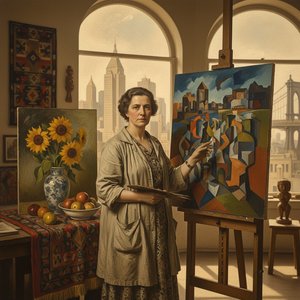
Marguerite Zorach: Pioneering American Modernism & Bridging Aesthetics
Explore the groundbreaking work of Marguerite Zorach, a pivotal figure in American Modernism. Discover her Fauvist paintings, collaborative spirit with William Zorach, and lasting influence on 20th-century art. A guide for collectors.
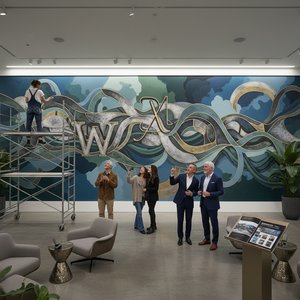
Як індивідуальний мурал може стати візуальною ідентичністю вашого бренду
Дізнайтеся, як індивідуальний мурал може перетворити ваш готель на впізнаваний бренд! Поради від експертів з дизайну та мистецтва для створення унікального інтер'єру.
Якірні інтер'єрні рішення з муралами для готелів: посібник дизайнера
Повний посібник для дизайнерів готелів про використання муралів в інтер'єрі. Від вибору стилю до практичної реалізації – експертні поради та актуальні тенденції 2024-2025.

Піднесення інтер'єрів: Мурали як мистецтво трансформації кухонь та ванних кімнат
Відкрийте для себе світ вишуканих інтер'єрів з муралами! Експертні поради, тренди дизайну та індивідуальні рішення від . Перетворіть кухню та ванну кімнату на шедеври мистецтва.

Від джунглів до золотого листя та геометрії: путівник найпопулярнішими стилями муралів сьогодні
Відкрийте світ захопливих муралів для готелів! Експертні поради щодо вибору стилю, замовлення та догляду. Створіть унікальний дизайн інтер'єру з .