
 Переглянути в інтер'єрі
 Надіслати як листівку
 Поділитися
 Деталі витвору
 Посібник

 Завантажити
 Схожі екземпляри
 Рентгенівське дослідження
 Слайд-шоу
 Q&A
Q&A Статистика
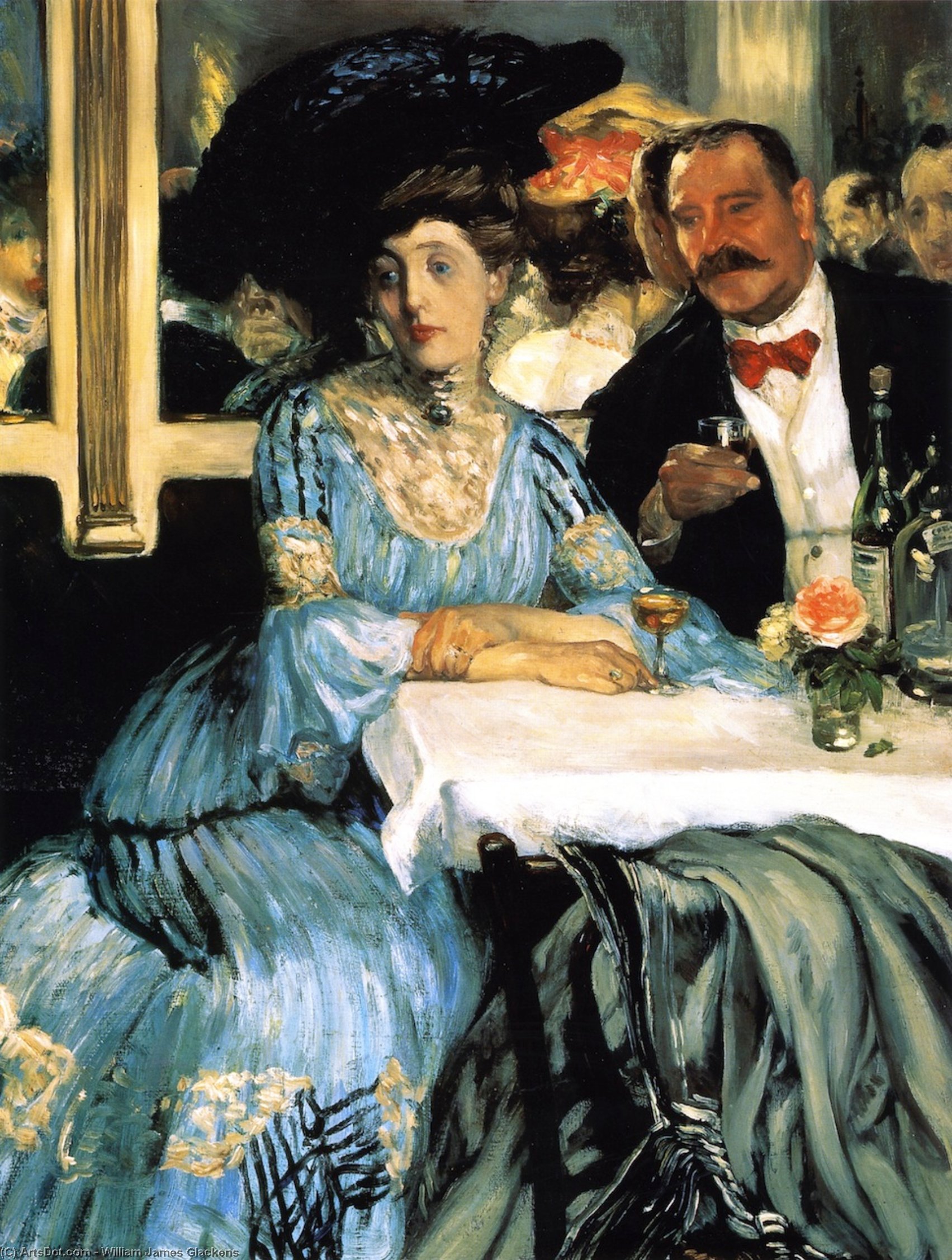
Chez Mouquin


 Розгорнути текст
Гікле / Художній принт
Друк جيкле або на полотні музейної якості з оперативним виготовленням та різноманітними варіантами фінішної обробки. ( Замовити картину ручної роботи Перейти до цифрових зображень)




































Обирайте з наших стандартних розмірів, що відповідають оригінальним пропорціям твору мистецтва.

Введіть необхідну ширину та висоту, щоб принт ідеально підійшов до вашої рами або стіни. Принт можна лише обрізати, але не можна зробити більшим за оригінал, тому при зміні пропорцій частина зображення буде втрачена. Перед друком ми надсилаємо вам цифровий макет для затвердження. Зображення на цій сторінці не відображає реальну обрізку — її можна побачити лише на макеті.
Доставка по всьому світу () за 2 тижні замість стандартних 4/5 тижнів. (30 Жовтень)

Безкоштовна експрес-доставка по всьому світу

Високоякісне лляне полотно

Повне страхове покриття доставки

Гарантія повернення митних зборів

Гарантія точного відтворення кольорів

Політика повернення протягом 100 днів (лише у разі виявлення дефектів)

Гарантія повернення 100% коштів

Пропозиція на оптові замовлення
 Скляний варіант доступний лише для розмірів до 110 см

Chez Mouquin
Гікле / Художній принт
Розмір репродукції
-


Підсумкова вартість
₴ 3579
Chez Mouquin: A Snapshot of Parisian Bohemia
William James Glackens’ “Chez Mouquin,” completed in 1905, stands as a quintessential emblem of the Ashcan School—a movement that irrevocably altered the course of American art. Rejecting the idealized landscapes and mythological narratives favored by their predecessors, Glackens and his fellow artists sought to portray the gritty realities of urban life with unflinching honesty.
The painting depicts a scene within Mouquin’s Restaurant, a popular Parisian establishment frequented by artists and intellectuals during the Belle Époque. At its center is Jeanne Mouquin, the proprietor's wife, engaged in conversation with James B. Moore, a wealthy playboy known for his patronage of the arts. Glackens himself subtly captures the atmosphere of the dining room, reflecting the faces of fellow attendees—Charles Fitzgerald, an art critic and Edith Glackens, his wife—creating a tableau vivant that encapsulates the spirit of artistic camaraderie.
Glackens’ masterful technique exemplifies Ashcan Realism. Employing muted tones—primarily browns, ochres, and blacks—he skillfully captures the dim lighting of the restaurant, enhancing the sense of intimacy and immediacy. The brushstrokes are loose and expressive, conveying movement and capturing the subtle nuances of facial expressions. Glackens' deliberate use of chiaroscuro – dramatic contrasts between light and dark – draws attention to key figures and contributes to the painting’s overall mood.
A Reflection of Artistic Vision
“Chez Mouquin” isn’t merely a depiction of a social gathering; it’s a profound statement about Glackens' artistic philosophy. Like many Ashcan artists, he eschewed grand narratives in favor of capturing everyday moments—the conversations, gestures, and expressions that define human experience. This approach aligns with the broader Ashcan ethos: to portray American life as it truly is – flawed, vibrant, and brimming with potential.
Glackens’ influence extends beyond his stylistic choices. He championed a rejection of academic conventions, prioritizing observation and emotional resonance over meticulous detail. His work anticipates the modernist impulse toward simplification and abstraction, foreshadowing developments that would reshape art in subsequent decades.
Historical Context: The Belle Époque
The painting’s setting—Paris during the Belle Époque (roughly 1871-1914)—provides crucial context for understanding its significance. This era witnessed unprecedented social and cultural transformation, fueled by industrialization, urbanization, and burgeoning artistic experimentation. Artists like Glackens sought to document these changes, capturing the dynamism of a society undergoing rapid modernization.
Mouquin’s Restaurant itself was a hub of intellectual discourse and artistic activity—a place where writers, painters, and musicians convened to discuss ideas and inspire one another. Glackens' portrayal captures this atmosphere perfectly, reflecting the optimism and ambition that characterized the Belle Époque.
Symbolism & Emotional Impact
"Chez Mouquin" speaks volumes about the human condition—the desire for connection, the pursuit of beauty amidst chaos, and the celebration of shared experience. The muted palette contributes to a contemplative mood, inviting viewers to linger on the faces of the figures depicted.
Glackens’ ability to convey emotion through subtle gestures and expressions underscores his commitment to realism as a means of capturing psychological truth. “Chez Mouquin” remains a powerful reminder that art can illuminate the complexities of human life and inspire us to appreciate the beauty found in ordinary moments—a legacy cemented by its prominent place within the Art Institute of Chicago’s collection.
Питання та відповіді
Яка сприймається яскравість твору «Chez Mouquin» роботи Вілліям Джеймс Глаккенс?
Загалом, показник яскравості твору «Chez Mouquin» становить збалансована. Відчутна яскравість описує, наскільки світлим або темним здається цей твір.
Для якого приміщення та з якою метою рекомендується "Chez Mouquin"?
«Chez Mouquin» чудово підійде для Акцентний елемент, а найкращим місцем для його розміщення стане Вітальня.
Який загальний настрій передає «Chez Mouquin» роботи Вілліям Джеймс Глаккенс?
«Chez Mouquin» роботи Вілліям Джеймс Глаккенс описують як твір із Елегантність настроєм. Така класифікація допоможе підібрати відповідний інтер'єр для цієї роботи.
Біографія митця
A Pioneer of Ashcan Realism
William James Glackens (March 13, 1870 – May 22, 1938) stands as a cornerstone figure in American art history, particularly recognized for his unwavering dedication to portraying the gritty realities of urban life through masterful realist paintings. Born in Philadelphia, Pennsylvania, he descended from a family steeped in artistic tradition—his father, Samuel Glackens, served as a clerk for the Pennsylvania Railroad, fostering an early appreciation for visual expression within his upbringing. Alongside his brother, Louis Glackens, William demonstrated exceptional talent from youth, enrolling at the Pennsylvania Academy of Fine Arts where he honed his skills under the guidance of Thomas Anshutz, a prominent realist painter who profoundly shaped his artistic vision.The Ashcan School and Its Influence
Glackens’ formative years coincided with the emergence of the Ashcan School—a movement that irrevocably altered the landscape of American art. Rejecting the idealized aesthetics championed by academic institutions, the Ashcan School sought to capture the unfiltered essence of New York City life during its burgeoning industrial era. Influenced deeply by Anshutz's commitment to portraying everyday subjects with unflinching honesty, Glackens joined forces with fellow artists like George Caleb Bingham and Robert Henri to establish this groundbreaking collective. The school’s ethos—to depict urban scenes without embellishment or sentimentality—challenged prevailing artistic conventions and paved the way for a more truthful representation of American society.Glackens' Artistic Style and Technique
Glackens’ distinctive style is characterized by its subdued color palettes, often dominated by earthy tones that effectively convey the atmosphere of his subjects. He meticulously rendered urban environments – bustling streets, tenement buildings, and dimly lit interiors—with remarkable detail, capturing textures and nuances that would have been absent from more polished artistic endeavors. His brushstrokes were deliberate and expressive, conveying a palpable sense of immediacy and observation. Notably, Glackens drew inspiration from Impressionist painters like Pierre Auguste Renoir, incorporating techniques such as broken color and atmospheric perspective to imbue his canvases with luminosity and depth.Notable Works and Collections
Glackens’ artistic legacy is cemented by several iconic paintings that continue to resonate with audiences today. “The Shoppers” (1913), housed in the Chrysler Museum of Art, exemplifies his masterful ability to distill complex urban narratives into compelling visual compositions—a testament to his dedication to capturing the spirit of the era. Similarly, “View of Haarlem with Bleaching Grounds” (circa 1895), now residing at Forzo Castle in Milan, Italy, showcases Glackens’ meticulous attention to detail and his masterful command of color and light. Furthermore, he played a crucial role in bolstering Albert C. Barnes' collection by securing European paintings—a contribution that significantly enriched American art history.A Lasting Impact on American Art
William James Glackens’ unwavering commitment to realism and his pioneering role within the Ashcan School solidified his position as one of America’s foremost artists of the early 20th century. His unflinching portrayal of urban life served as a catalyst for artistic innovation, prompting subsequent generations of painters to confront social realities with courage and conviction. Glackens' enduring influence can be seen in the continued appreciation for gritty realism—a stylistic hallmark that continues to captivate viewers and scholars alike.
Вілліям Джеймс Глаккенс
1870 - 1938 , США
Короткі факти
- Artistic Movement Or Style: Ашканська школа
- Artists Or Movements Influenced By This Artist: ['Пір Ауґюст Реноар']
- Artists Who Influenced This Artist: ['Томас Аншутц']
- Date Of Birth: Філадельфія, США (1870)
- Date Of Death: Вестпорт, Кентуккі (1938)
- Full Name: William James Glackens
- Nationality: Американський
- Notable Artworks:
- «Спостерігач»
- Вид Хаарлема з білилами
- Place Of Birth: Філадельфія, Пенсільванія
Пов'язані статті

The Ashcan School: Capturing the Raw Spirit and Urban Realism of New York City Life
Explore the raw, evocative beauty of the Ashcan School. Discover how masters like Bellows and Glackens captured New York's urban soul through American Realism, and learn to bring this gritty, historical elegance into your modern art collection.
William Glackens: Capturing Modern American Life with Ashcan Realism
Explore the life & art of William Glackens, a pioneer of American Realism and founding member of the Ashcan School. Discover his vibrant depictions of early 20th-century New York & Paris. Learn about his influences & lasting legacy.
American Realism: Social Commentary & Artistic Representation in Early 20th-Century Painting
Explore the powerful social commentary & artistic representation of American Realism. Discover key artists like Bellows & Sloan, and understand the movement's lasting impact on 20th-century art history.
The Ashcan School: Realism, Urban Life & the Democratization of American Art
Explore the revolutionary Ashcan School! Discover how artists like Henri & Sloan challenged tradition with gritty realism, capturing urban life in early 20th-century America. Learn about their impact on American art history.

The Unvarnished Truth: A Cultural Journey Through the Soul of American Realism
Explore the profound beauty of American Realism. From the Ashcan School's urban grit to intimate portraits, discover how artists captured the authentic soul of a nation through unvarnished truth and masterful observation.

