Переглянути в інтер'єрі
 Надіслати
 Поділитися
 Деталі
 Посібник

 Завантажити
 Схожі предмети колекціонування
 Рентгенівське дослідження
 Слайд-шоу
 Статистика переглядів
Minos


 Читати далі
Олійная репродукція ручної роботи
Написана вручну олією на полотні у вашому розмірі та рамі, виготовлена на замовлення нашими художниками. ( Перейти до друку Перейти до цифрових зображень)




P118B ₴10

P118H ₴10

P118W ₴10

P438Z ₴10

P508JH ₴12

P508YH ₴12

P805H ₴10

P805Z ₴10

P919BZ ₴10

P919G ₴10

P919XJ ₴10

P959ZH ₴10

P968JZ ₴12

W106C ₴8

W218G ₴10

W218JH ₴8

W218Y ₴10

W307PJ ₴10

W316G ₴10

W316PJ ₴8

W316Y ₴10

W398PJ ₴8

W4111J ₴10

W500HY ₴15

W500JH ₴15

W692G ₴12

W849H ₴8

W940BG ₴15

W953PJ ₴8




Обирайте з наших стандартних розмірів, що відповідають оригінальним пропорціям твору мистецтва.

Введіть необхідну ширину та висоту, щоб картина підійшла до вашої рами або стіни. Оскільки це ручний розпис, для розміру іншої форми художник може написати трохи більше навколо картини або трохи обрізати її — вибір за вами. Перед початком роботи ми надішлемо вам цифровий макет для затвердження. Зображення, показане на цій сторінці, не є реальним результатом — лише макет відображає майбутній вигляд.
Після оформлення замовлення команда OriginalUniqueArt.com зв'яжеться з клієнтом електронною поштою для отримання інструкцій та надасть попередній макет
Доставка по всьому світу () за 3–4 тижні замість стандартних 5 тижнів. (18 Жовтень). Без жодних компромісів у якості.

Безкоштовна експрес-доставка по всьому світу

Високоякісне лляне полотно

Повне страхове покриття доставки

Гарантія повернення митних зборів

Гарантія точного відтворення кольорів

Політика повернення протягом 100 днів (лише у разі виявлення дефектів)

Гарантія повернення 100% коштів

Знижка на оптові замовлення
 Скляний варіант доступний лише для розмірів до 110 см

Minos
Техніка репродукції
Розмір репродукції
-


Загальна вартість
₴ 13409
A Regal Vision of Judgment: William Blake’s ‘Minos’
William Blake's *Minos*, created between 1824 and 1827, is a captivating watercolor and etching that delves into the complex realms of mythology, morality, and the human condition. Currently housed at the National Gallery of Victoria in Australia, this work isn’t merely an illustration; it’s a profound visual statement characteristic of Blake's unique Symbolist style.Decoding the Scene: Subject & Composition
The painting depicts a seated, bearded figure – undeniably *Minos*, the legendary king of Crete and judge of the dead in Greek mythology. He is enthroned, suggesting authority, yet surrounded by figures engaged in what appears to be lively conversation or perhaps even chaotic revelry. The composition isn’t traditionally heroic; instead, it feels intimate and psychologically charged. Several individuals cluster around Minos, some seated, others standing, creating a dynamic interplay of forms. A bird perched near the upper left corner adds an element of wildness and freedom, contrasting with the contained space. A book on the right hints at intellectual pursuit or legal proceedings – fitting for a figure tasked with judgment.Blake’s Artistic Technique & Style
*Minos* exemplifies Blake's mastery of watercolor and etching. The technique allows for both delicate washes of color and sharp, precise lines. This combination creates a dreamlike quality, blurring the boundaries between reality and imagination. The use of red and brown ink alongside the watercolor adds depth and emotional intensity. Blake’s style is distinctly Symbolist, prioritizing evocative imagery and subjective experience over strict realism. He wasn't interested in simply *depicting* Minos; he aimed to convey the essence of his role as a judge, the weight of moral responsibility, and the complexities of human fate.Mythological Roots & Historical Context
The subject matter draws directly from Dante Alighieri’s *Divine Comedy*, specifically Canto V of *Inferno*. In Dante's vision of Hell, Minos judges the souls of the damned, assigning them to their appropriate circle based on their sins. Blake was deeply fascinated by classical literature and mythology, often reinterpreting these narratives through his own unique spiritual lens. Creating this work during a period of intense personal and artistic exploration, Blake used mythological figures as vehicles for exploring universal themes of good and evil, justice and punishment.Symbolism & Interpretation
The symbolism within *Minos* is rich and layered. The swirling figures surrounding the king could represent the souls awaiting judgment or the chaotic nature of human desires. The bird might symbolize freedom from earthly constraints or a messenger between worlds. The fireplace suggests both warmth and potential destruction, mirroring the dual nature of Minos’s power – to condemn or offer solace. The book alludes to law, knowledge, and the burden of making difficult decisions. Ultimately, Blake's *Minos* isn’t a literal depiction of Dante’s Hell; it’s an exploration of the internal landscape of judgment and the consequences of our actions.Emotional Impact & Aesthetic Appeal
*Minos* evokes a sense of both awe and unease. The regal figure commands attention, yet the surrounding chaos suggests a world out of balance. The painting’s muted color palette and intricate details create an atmosphere of mystery and contemplation. It's a work that invites viewers to engage with complex moral questions, prompting reflection on their own values and beliefs. For interior designers, *Minos* offers a sophisticated and thought-provoking focal point, adding depth and intellectual curiosity to any space. Its unique blend of classical mythology and Romantic sensibility makes it a timeless piece suitable for both traditional and contemporary settings.Запитання та відповіді
Яку кольорову гармонію демонструє «Minos» Вільям Блейк?
Кольори твору «Minos» Вільям Блейк демонструють Висока колірна єдність гармонію. Гармонія описує взаємозв'язок кольорів між собою.
Де рекомендується розміщувати роботу у форматі Альбомна орієнтація під назвою "Minos"?
Формат Альбомна орієнтація для твору «Minos» Вільям Блейк рекомендовано розміщувати у Лобі готелю. Формат та простір разом допомагають визначитися з розташуванням репродукції.
Чи є путівник для «Minos» Вільям Блейк?
Посібник до «Minos» — це сторінка Посібник твору, що являє собою друковану інформаційну картку з зображенням витвору, його підписом, зазначенням авторства та ідентифікаційною таблицею (художник, дати, техніка, оригінальний розмір, колекція).
Біографія митця
William Blake (1757–1827): A Visionary’s Journey
William Blake, born in London on November 28, 1757, was a figure perpetually out of step with his time, yet destined to become one of the most celebrated artists and poets of the Romantic Age. His life unfolded against the backdrop of a rapidly changing England—a world grappling with industrialization, political upheaval, and shifting spiritual beliefs. From humble beginnings as the son of a hosier, Blake’s early years were marked by an intensely vivid imagination and a propensity for visionary experiences that would profoundly shape his artistic trajectory. Though largely self-taught in formal academics, he received drawing instruction at a young age, quickly revealing a talent that hinted at the extraordinary path ahead. His apprenticeship with engraver James Basire proved pivotal, providing him not only with technical mastery but also an understanding of printmaking techniques he would later revolutionize. These early influences—the Gothic grandeur of Westminster Abbey, the classical forms of Raphael and Michelangelo—served as foundational elements in his developing aesthetic, though Blake was never one to remain bound by convention.Early Life and Artistic Training
Blake’s formative years instilled within him a deep fascination with mythology and folklore, shaping his worldview and informing his artistic vision. Despite lacking formal schooling, he possessed an innate aptitude for drawing—a skill honed through diligent self-study and observation—and quickly demonstrated an exceptional ability to capture the essence of his subjects. His apprenticeship under James Basire, a respected engraver, provided invaluable experience in printmaking, equipping him with essential techniques that would underpin his groundbreaking illuminated printing process. This method, born from a profound spiritual awakening following his brother’s death, represented a radical departure from established practices—a deliberate rejection of mechanistic reproduction in favor of artistic expression and symbolic representation. Blake's meticulous attention to detail and his unwavering commitment to capturing the emotional depth of his subjects foreshadowed the stylistic innovations that would characterize his mature oeuvre.Illuminated Printing: A Revolutionary Technique
Blake’s artistic innovation wasn’t merely about subject matter; it resided fundamentally in *how* he created. Dissatisfied with conventional engraving methods, he developed a unique process known as “illuminated printing.” This involved etching both text and illustrations onto copper plates—a painstaking undertaking that demanded considerable skill and patience—then painstakingly hand-coloring the resulting prints using vibrant pigments applied directly to the plate surface. This wasn’t simply illustration accompanying poetry; it was an integrated art form where image and verse were inextricably linked, each amplifying the meaning of the other. Blake's mastery of relief etching—a technique he claimed originated from a prophetic vision—allowed him to achieve unparalleled textural richness and expressive nuance, surpassing the limitations imposed by traditional printmaking methods. This innovative approach cemented his reputation as a visionary artist who dared to challenge artistic conventions and forge new paths toward creative expression.Major Works and Artistic Style
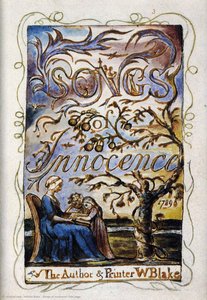
Blake’s artistic output encompassed a diverse range of genres—poetry, engravings, watercolors, and illuminated books—each reflecting his profound engagement with spiritual and philosophical ideas. Among his most celebrated works are *Songs of Innocence & Experience* (1794), a masterful exploration of duality and moral contemplation; *The Marriage of Heaven & Hell* (1793), a provocative prose poem that celebrates rebellious energy and defies conventional dogma; and *Jerusalem*, an ambitious epic poem depicting a reimagined vision of Albion—ancient name for Britain—as a beacon of spiritual renewal. His engravings, particularly those inspired by Dante’s *Divine Comedy*, demonstrate his extraordinary ability to translate complex narratives into powerful visual imagery—characterized by flattened perspectives, symbolic motifs, and a deliberate rejection of realistic representation. Blake's distinctive style—marked by bold lines, vibrant colors, and an unwavering commitment to conveying emotional intensity—became influential in shaping the aesthetic sensibilities of subsequent generations of artists.Legacy and Influence
Despite facing considerable obscurity during his lifetime, William Blake’s artistic legacy endured beyond his death on August 12, 1827. The Pre-Raphaelites, captivated by his visionary style and symbolic imagery—particularly *Songs of Innocence & Experience*—embraced him as a kindred spirit and championed his uncompromising aesthetic principles. Later movements—Symbolism and Modernism—found resonance in Blake’s exploration of subjective experience and spiritual contemplation, recognizing him as a precursor to avant-garde artistic endeavors. Today, William Blake is revered as a pivotal figure in the Romantic movement—an artist whose work continues to inspire poets, painters, and thinkers across disciplines. His unwavering commitment to creative freedom—a testament to the enduring power of imagination—remains profoundly relevant, urging us to question established norms and embrace visions that transcend conventional boundaries. Blake’s influence extends far beyond the realm of art, shaping conceptions of spirituality, mythology, and the role of imagination in human consciousness.
Вільям Блейк
1757 - 1827 , Великобритания
Довідкова інформація
- Artistic Movement Or Style: Романтизм
- Artists Who Influenced This Artist:
- Рафаель
- Мікеланджело
- Date Of Birth: 1757 рік
- Date Of Death: 1827 рік
- Full Name: William Blake
- Nationality: Британський
- Notable Artworks:
- Пісні про бездоганність і досвід
- Весілля неба й пекла
- Тигр
- Place Of Birth: Лондон, Великобританія
Схожі статті

Oil on Canvas: A Historical & Technical Exploration of a Timeless Artistic Medium
Explore the rich history & enduring techniques of oil painting on canvas. Discover the science behind its longevity, conservation practices, and contemporary relevance. Expert insights for art enthusiasts.

The Enduring Legacy of Oil on Canvas: Technique, History & Aesthetic Impact
Explore the rich history & techniques of oil painting – from Renaissance masters to Impressionism. Discover pigments, layering methods, and why this timeless medium endures. Expert insights for artists & art enthusiasts.

Вікові традиції олійного живопису: техніка, історія та сучасна практика
Дізнайтеся про вікову історію олійного живопису, техніки майстрів та сучасні тенденції. Відкрийте світ класичного мистецтва та натхнення для власної творчості!

The Soul of Impressionism: Why Oil on Canvas Captures Eternal Light and Timeless Emotion
Discover the enchanting alchemy of Impressionism. Explore how the mastery of oil on canvas, through glazing and impasto, captures eternal light and emotion. Perfect for lovers of Monet and Van Gogh seeking the profound depth of hand-painted fine art.
Топ-10 легендарних шедеврів олійного живопису, які змінили мистецтво назавжди | OriginalUniqueArt.com
Відкрийте для себе 10 легендарних шедеврів олійного живопису, які змінили світ мистецтва! Історія Ван Гога, Моне та інших геніїв. Репродукції картин преміум-класу для вашого дому на OriginalUniqueArt.com. Дослідіть колекцію онлайн!