Переглянути в інтер'єрі
 Надіслати
 Поділитися
 Деталі
 Посібник

 Завантажити
 Схожі предмети колекціонування
 Рентгенівське дослідження
 Слайд-шоу
 Статистика переглядів
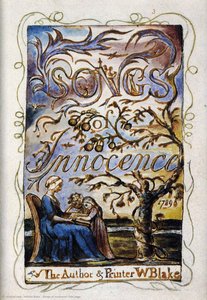
God Judging Adam
 Акрил на полотні
- Настінне мистецтво
- Neo Romanticism
 43.0 x 53.0 cm
 Читати далі
Гікле / Художній принт
Музейна якість друку جيкле або на полотні з оперативним виготовленням та різноманітними варіантами фінішної обробки. ( Купити картину ручної роботи Перейти до цифрових зображень)




P118B ₴10

P118H ₴10

P118W ₴10

P438Z ₴10

P508JH ₴12

P508YH ₴12

P805H ₴10

P805Z ₴10

P919BZ ₴10

P919G ₴10

P919XJ ₴10

P959ZH ₴10

P968JZ ₴12

W106C ₴8

W218G ₴10

W218JH ₴8

W218Y ₴10

W307PJ ₴10

W316G ₴10

W316PJ ₴8

W316Y ₴10

W398PJ ₴8

W4111J ₴10

W500HY ₴15

W500JH ₴15

W692G ₴12

W849H ₴8

W940BG ₴15

W953PJ ₴8




Обирайте з наших стандартних розмірів, що відповідають оригінальним пропорціям твору мистецтва.

Введіть необхідну ширину та висоту, щоб принт ідеально підійшов до вашої рами або стіни. Принт можна лише обрізати, але не можна зробити більшим за оригінал, тому при зміні пропорцій частина зображення буде втрачена. Перед друком ми надсилаємо вам цифровий макет для затвердження. Зображення на цій сторінці не відображає реальну обрізку — її можна побачити лише на макеті.
Доставка по всьому світу () за 2 тижні замість стандартних 4/5 тижнів. (22 Жовтень)

Безкоштовна експрес-доставка по всьому світу

Високоякісне лляне полотно

Повне страхове покриття доставки

Гарантія повернення митних зборів

Гарантія точного відтворення кольорів

Політика повернення протягом 100 днів (лише у разі виявлення дефектів)

Гарантія повернення 100% коштів

Знижка на оптові замовлення
 Скляний варіант доступний лише для розмірів до 110 см

God Judging Adam
Гікле / Художній принт
Розмір репродукції
-


Загальна вартість
₴ 3589
God Judging Adam: A Visionary Encounter with Blake’s Genius
William Blake's God Judging Adam stands as a monumental achievement in Neo Romantic art—a testament to its fervent desire for spiritual renewal and imaginative liberation. Created in the late 18th century amidst the burgeoning Industrial Revolution, this etching transcends mere visual representation; it plunges into the depths of human psychology and confronts fundamental questions about morality and divine judgment. Blake’s singular artistic vision distinguishes him from his contemporaries, establishing him as a pivotal figure in British art history.The Artistic Context: Neo Romanticism's Embrace of Emotion
Blake’s work firmly anchors itself within the Neo Romantic movement, which reacted against Enlightenment rationalism with an ardent appreciation for emotion and intuition. Artists like Blake sought inspiration in folklore, mythology, and visionary experiences—rejecting the sterile formalism favored by neoclassical painters. This movement championed individualism and celebrated the sublime beauty of nature as a conduit to spiritual understanding—themes powerfully articulated in God Judging Adam. The etching’s dramatic composition and symbolic imagery perfectly encapsulate the movement's ethos.Composition and Symbolism: A Dance of Light and Darkness
The etching’s visual narrative is meticulously crafted to convey profound theological ideas. At its core lies a seated man—representing Adam—positioned before two colossal horses, symbolizing the duality of human nature – goodness and evil. Blake employs a masterful use of chiaroscuro, highlighting Adam's figure against a backdrop of fiery light emanating from a chariot bearing God’s likeness. This juxtaposition underscores the confrontation between innocence and transgression, mirroring Genesis 3:17-19—the biblical passage describing God’s curse upon Adam for consuming the forbidden fruit. The horse imagery isn’t merely decorative; it embodies primal forces shaping human destiny.Blake's Technique: Etching as Spiritual Expression
William Blake revolutionized printmaking with his innovative technique of etching, combining relief and intaglio methods to achieve unparalleled tonal depth and textural complexity. He meticulously carved a plate from copper, creating a reverse image that was then incised with acid—a process demanding immense patience and precision. The resulting lines capture the essence of Blake’s vision, conveying both physical detail and spiritual resonance. Furthermore, Blake employed color printing—a technique rarely practiced during his time—adding vibrant hues to the print, enhancing its emotional impact and deepening its symbolic significance. This method allowed him to express ideas that would have been impossible to convey solely through monochrome engraving.Legacy and Emotional Resonance: An Enduring Masterpiece
God Judging Adam continues to captivate audiences today with its haunting beauty and intellectual depth. Its enduring appeal stems from Blake’s ability to distill complex theological concepts into a powerfully evocative visual experience—a reflection of his belief that art could illuminate the hidden truths of existence. Reproductions of this masterpiece offer collectors and interior designers alike an opportunity to engage with one of Britain's most influential artistic voices, preserving Blake’s visionary legacy for generations to come. Explore more exceptional artworks at OriginalUniqueArt—where you can discover meticulously crafted reproductions that bring the spirit of Neo Romanticism into your home.Запитання та відповіді
Яку насиченість та інтенсивність має «God Judging Adam» Вільям Блейк?
Кольори твору «God Judging Adam» Вільям Блейк демонструють Збалансована м'якість насиченість із Збалансований інтенсивністю.
Яка сприймається яскравість твору «God Judging Adam» Вільям Блейк?
Загалом, «God Judging Adam» має показник збалансована. Відчутна яскравість описує, наскільки світлим або темним здається твір.
Який розмір та орієнтацію рекомендується для друку «God Judging Adam» Вільям Блейк?
Розмір Великий, орієнтація Альбомна орієнтація: саме такі параметри друку рекомендовано для «God Judging Adam» Вільям Блейк.
Біографія митця
William Blake (1757–1827): A Visionary’s Journey
William Blake, born in London on November 28, 1757, was a figure perpetually out of step with his time, yet destined to become one of the most celebrated artists and poets of the Romantic Age. His life unfolded against the backdrop of a rapidly changing England—a world grappling with industrialization, political upheaval, and shifting spiritual beliefs. From humble beginnings as the son of a hosier, Blake’s early years were marked by an intensely vivid imagination and a propensity for visionary experiences that would profoundly shape his artistic trajectory. Though largely self-taught in formal academics, he received drawing instruction at a young age, quickly revealing a talent that hinted at the extraordinary path ahead. His apprenticeship with engraver James Basire proved pivotal, providing him not only with technical mastery but also an understanding of printmaking techniques he would later revolutionize. These early influences—the Gothic grandeur of Westminster Abbey, the classical forms of Raphael and Michelangelo—served as foundational elements in his developing aesthetic, though Blake was never one to remain bound by convention.Early Life and Artistic Training
Blake’s formative years instilled within him a deep fascination with mythology and folklore, shaping his worldview and informing his artistic vision. Despite lacking formal schooling, he possessed an innate aptitude for drawing—a skill honed through diligent self-study and observation—and quickly demonstrated an exceptional ability to capture the essence of his subjects. His apprenticeship under James Basire, a respected engraver, provided invaluable experience in printmaking, equipping him with essential techniques that would underpin his groundbreaking illuminated printing process. This method, born from a profound spiritual awakening following his brother’s death, represented a radical departure from established practices—a deliberate rejection of mechanistic reproduction in favor of artistic expression and symbolic representation. Blake's meticulous attention to detail and his unwavering commitment to capturing the emotional depth of his subjects foreshadowed the stylistic innovations that would characterize his mature oeuvre.Illuminated Printing: A Revolutionary Technique
Blake’s artistic innovation wasn’t merely about subject matter; it resided fundamentally in *how* he created. Dissatisfied with conventional engraving methods, he developed a unique process known as “illuminated printing.” This involved etching both text and illustrations onto copper plates—a painstaking undertaking that demanded considerable skill and patience—then painstakingly hand-coloring the resulting prints using vibrant pigments applied directly to the plate surface. This wasn’t simply illustration accompanying poetry; it was an integrated art form where image and verse were inextricably linked, each amplifying the meaning of the other. Blake's mastery of relief etching—a technique he claimed originated from a prophetic vision—allowed him to achieve unparalleled textural richness and expressive nuance, surpassing the limitations imposed by traditional printmaking methods. This innovative approach cemented his reputation as a visionary artist who dared to challenge artistic conventions and forge new paths toward creative expression.Major Works and Artistic Style
Blake’s artistic output encompassed a diverse range of genres—poetry, engravings, watercolors, and illuminated books—each reflecting his profound engagement with spiritual and philosophical ideas. Among his most celebrated works are *Songs of Innocence & Experience* (1794), a masterful exploration of duality and moral contemplation; *The Marriage of Heaven & Hell* (1793), a provocative prose poem that celebrates rebellious energy and defies conventional dogma; and *Jerusalem*, an ambitious epic poem depicting a reimagined vision of Albion—ancient name for Britain—as a beacon of spiritual renewal. His engravings, particularly those inspired by Dante’s *Divine Comedy*, demonstrate his extraordinary ability to translate complex narratives into powerful visual imagery—characterized by flattened perspectives, symbolic motifs, and a deliberate rejection of realistic representation. Blake's distinctive style—marked by bold lines, vibrant colors, and an unwavering commitment to conveying emotional intensity—became influential in shaping the aesthetic sensibilities of subsequent generations of artists.Legacy and Influence
Despite facing considerable obscurity during his lifetime, William Blake’s artistic legacy endured beyond his death on August 12, 1827. The Pre-Raphaelites, captivated by his visionary style and symbolic imagery—particularly *Songs of Innocence & Experience*—embraced him as a kindred spirit and championed his uncompromising aesthetic principles. Later movements—Symbolism and Modernism—found resonance in Blake’s exploration of subjective experience and spiritual contemplation, recognizing him as a precursor to avant-garde artistic endeavors. Today, William Blake is revered as a pivotal figure in the Romantic movement—an artist whose work continues to inspire poets, painters, and thinkers across disciplines. His unwavering commitment to creative freedom—a testament to the enduring power of imagination—remains profoundly relevant, urging us to question established norms and embrace visions that transcend conventional boundaries. Blake’s influence extends far beyond the realm of art, shaping conceptions of spirituality, mythology, and the role of imagination in human consciousness.
Вільям Блейк
1757 - 1827 , Великобритания
Довідкова інформація
- Artistic Movement Or Style: Романтизм
- Artists Who Influenced This Artist:
- Рафаель
- Мікеланджело
- Date Of Birth: 1757 рік
- Date Of Death: 1827 рік
- Full Name: William Blake
- Nationality: Британський
- Notable Artworks:
- Пісні про бездоганність і досвід
- Весілля неба й пекла
- Тигр
- Place Of Birth: Лондон, Великобританія
Схожі статті

Etching: A Historical Survey of Technique, Aesthetic Qualities & Enduring Artistic Significance
Explore the rich history of etching, from its origins to Rembrandt's masterful innovations. Discover the technique, aesthetic qualities & enduring legacy of this captivating art form. Expert insights for collectors and enthusiasts.

The Intricate World of Etching: A Historical Survey of Technique, Aesthetic Evolution, and Enduring Artistic Impact
Explore the rich history of etching, from its origins to modern practice. Discover techniques, key artists like Rembrandt, and insights for collectors. A comprehensive guide by OriginalUniqueArt.

Топ-10 шедеврів неокласицизму: мистецтво, що визначало епоху | OriginalUniqueArt.com
Відкрийте для себе 10 шедеврів неокласицизму від Давида, Енгр та Канови! Історія мистецтва, техніка живопису та скульптури. Купіть репродукції картин неокласицизму преміум-якості на OriginalUniqueArt.com. Натхнення для вашого інтер'єру.
Топ-10 легендарних офортів, що змінили мистецтво: від Рембрандта до Гойї | OriginalUniqueArt
Відкрийте для себе 10 легендарних офортів Рембрандта, Гойї та інших майстрів! Історія мистецтва в кожній гравюрі. Купуйте високоякісні репродукції офортів для вашого дому на OriginalUniqueArt.com.

William Blake: Romantic Visionary & Mystical Genius of the Imagination
Explore the mystical art & poetic genius of William Blake (1757-1827). Discover his revolutionary illuminated printing, rich symbolism, and lasting influence on Romanticism. Find handmade reproductions at OriginalUniqueArt.