
 Переглянути в інтер'єрі
 Надіслати як листівку
 Поділитися
 Детальніше

 Завантажити
 Схожі експонати
 Рентгенівське дослідження
 Слайд-шоу
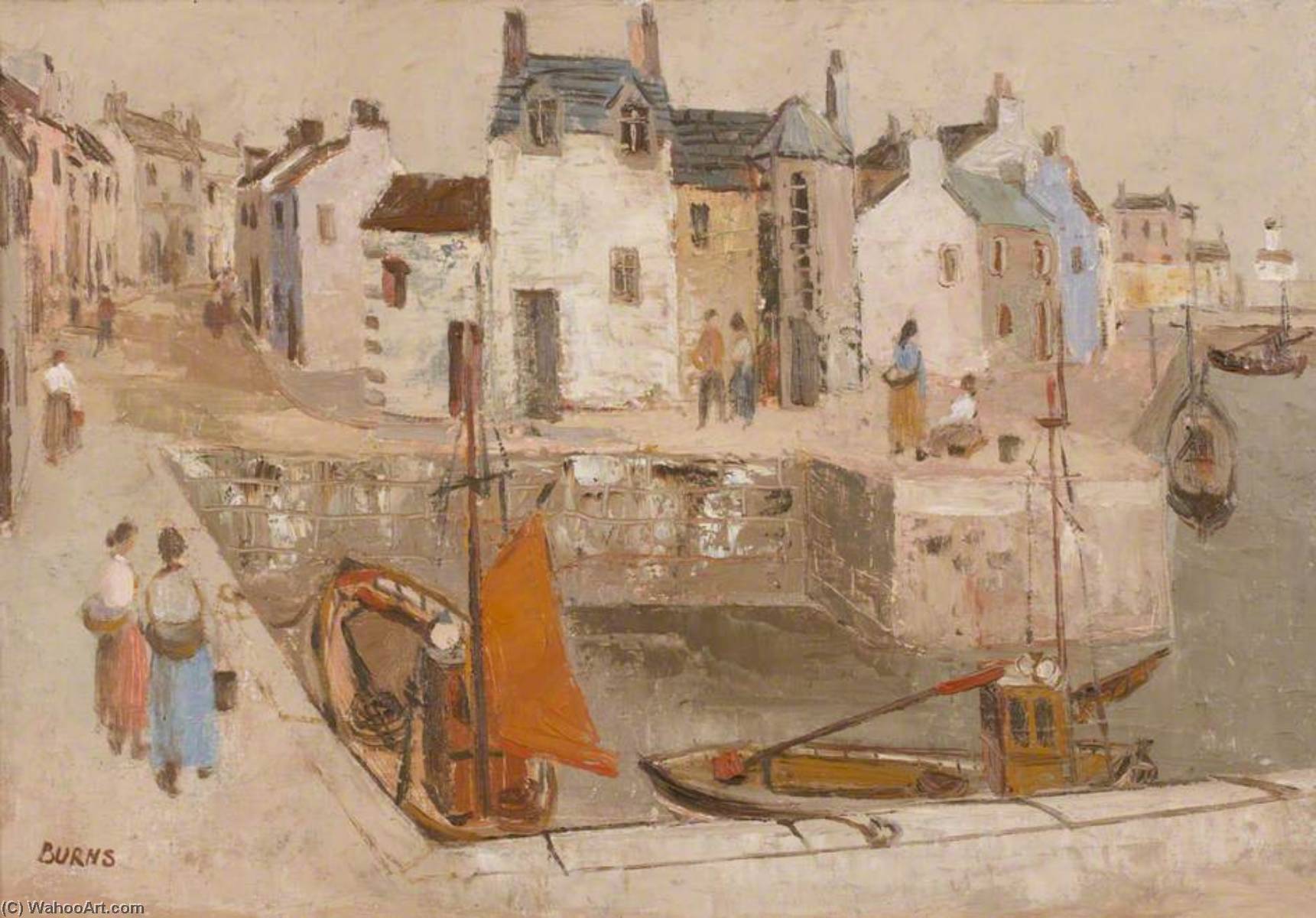
The Harbour
 41.0 x 62.0 cm
 Government Art Collection
 Читати далі
Олійная репродукція ручної роботи
Написана вручну олією на полотні у вашому розмірі та рамі, виготовлена на замовлення нашими художниками. ( Замовити принт Купити цифрове зображення)




































Обирайте з наших стандартних розмірів, що відповідають оригінальним пропорціям твору мистецтва.

Ви можете вказати власні розміри, щоб репродукція ідеально підійшла до конкретної рами або інтер'єру. Якщо вибраний вами розмір не відповідає пропорціям оригіналу, ми або обріжемо полотно, або доповнимо картину додатковими елементами, промальованими вручну. Цифровий макет буде надіслано вам на затвердження перед початком виробництва.
Зверніть увагу, що попередній перегляд на екрані не відображає фактичне обрізання або розширення зображення. Тільки макет точно покаже остаточну композицію.
Хоча ми можемо виготовити виріб у нестандартному розмірі, для збереження оригінальних пропорцій рекомендуємо обирати варіанти зі встановленого списку.
Після оформлення замовлення команда OriginalUniqueArt.com зв'яжеться з клієнтом електронною поштою для отримання інструкцій та надасть попередній макет
Доставка по всьому світу () за 3–4 тижні замість стандартних 5 тижнів. (17 Серпень). Без жодних компромісів у якості.

Безкоштовна експрес-доставка по всьому світу

Високоякісне лляне полотно

Повне страхове покриття доставки

Гарантія відшкодування митних зборів

Гарантія точного відтворення кольорів

Політика повернення протягом 60 днів (лише у разі виявлення дефектів)

Гарантія повернення 100% коштів

Пропозиція на оптові замовлення
 Скляний варіант доступний лише для розмірів до 110 см

The Harbour
Матеріал репродукції
Розмір репродукції
-


Підсумкова вартість
$ 300
Біографія митця
A Landscape of Memory and Decay: The Life of William Alexander Burns
William Alexander Burns (1921–1972) emerged from the rugged Scottish landscape as a painter whose canvases captured not merely visual beauty, but also the poignant echoes of industrial decline and forgotten places. Born in Newton Mearns, his artistic soul was deeply rooted in the rhythms of the land. His formative years were steeped in rural Ayrshire, where he absorbed the meticulous observations of nature alongside his father, Robert Burnes, a gardener who instilled in him a lifelong appreciation for detailed rendering and the subtle textures of the earth. This early connection to the organic world would later serve as the foundation for his profound explorations of both the natural and man-made environments.
Burns’ artistic journey was significantly shaped by the turbulence of the mid-20th century. During the Second World War, he served as a pilot officer with the RAF Coastal Command, an experience that undoubtedly sharpened his perspective on vulnerability and the fragility of existence. Following the war, he pursued formal training at the Glasgow School of Art in the late 1940s, later refining his skills at Hospitalfield near Arbroath. This period of academic rigor allowed him to master the technical complexities of both watercolour and oil painting, providing him with the tools to translate his internal psychological landscapes onto the canvas.
Technique and the Texture of Time
The work of Burns is characterized by a distinctive style that transcends mere representation, delving into a realm of melancholy contemplation. He was a master of textured impasto, utilizing thick applications of paint to create palpable surfaces that mirrored the weathered facades of abandoned factories and crumbling piers. His palette was often muted, dominated by deep blues and earthy browns, which lent his landscapes a sense of weight and historical gravity. Through this heavy, tactile approach, he did not just paint a scene; he sculpted the very essence of decay and resilience.
His ability to balance realism with experimental abstraction allowed him to capture the "spirit of place" with unparalleled honesty. Whether depicting the serene maritime atmosphere of a harbor in Boats, Gourdon or the stark, structural details of a town in Ferryden, Burns utilized bold brushstrokes and light to evoke profound emotional responses. His work often confronts themes of loss, using the physical degradation of structures as a metaphor for the passage of time and the inevitable fading of industrial eras.
Legacy and Artistic Significance
As a member of the Royal Scottish Watercolour Society (RSW), Burns’ commitment to portraying Scotland’s heritage was both recognized and celebrated. His dedication resulted in significant works residing within prestigious public collections across Britain, including the Glasgow Museums Resource Centre. His paintings serve as vital historical documents, capturing a specific era of Scottish life—one caught between the fading glory of industrial strength and the quiet reclamation of nature.
The enduring significance of William Alexander Burns lies in his ability to find beauty within the derelict. He transformed the subjects of industrial decline into objects of profound aesthetic and emotional contemplation. His legacy continues to resonate with those who find meaning in the textures of the past, reminding viewers that even in decay, there is a powerful, haunting form of grace.
- Key Artistic Achievements:
- Membership in the prestigious Royal Scottish Watercolour Society (RSW).
- Extensive inclusion of works in major British public museum collections.
- Mastery of the impasto technique to convey industrial and natural textures.
- A unique synthesis of post-war realism and expressive abstraction.

william alexander burns
1921 -
Короткі факти
- Artistic Movement Or Style: Abstract Expressionism
- Date Of Birth: 1921
- Date Of Death: Living
- Full Name: William Alexander Burns
- Nationality: Scottish
- Notable Artworks:
- Boats, Gourdon
- Ferryden
- Guidelight
- Place Of Birth: Scotland

