
 Переглянути в інтер'єрі
 Надіслати як листівку
 Поділитися
 Детальніше

 Завантажити
 Схожі експонати
 Рентгенівське дослідження
 Слайд-шоу
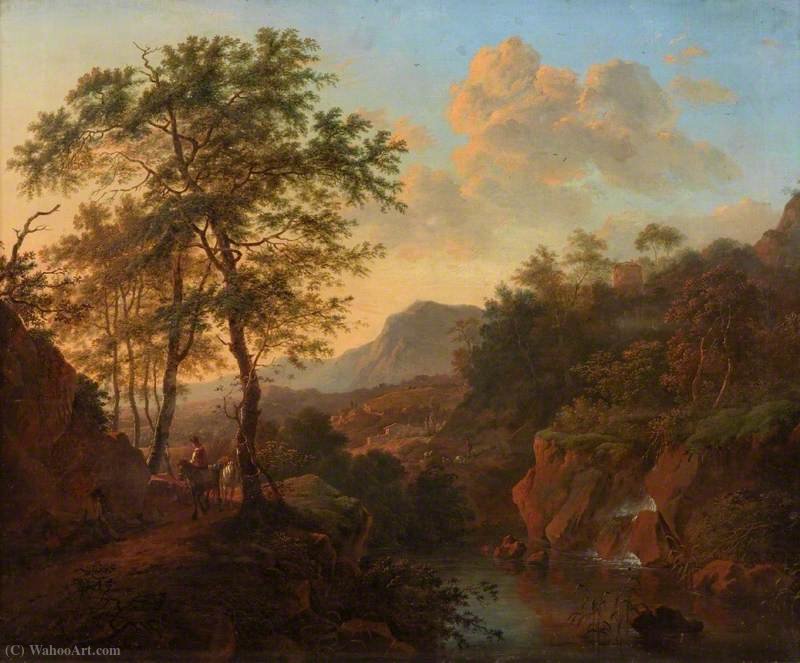
River Scene with Figures

 Читати далі
Гікле / Художній принт
Музейна якість друку جيкле або на полотні з оперативним виготовленням та різноманітними варіантами фінішної обробки. ( Замовити репродукцію ручної роботи Купити цифрове зображення)




































Обирайте з наших стандартних розмірів, що відповідають оригінальним пропорціям твору мистецтва.

Ви можете вказати власні розміри, щоб репродукція ідеально підійшла до конкретної рами або інтер'єру. Якщо обраний вами розмір не відповідає пропорціям оригіналу, ми або обріжемо полотно, або розширимо зображення за допомогою дзеркального відображення чи суцільної заливки країв. Перед початком виробництва вам буде надіслано цифровий макет для затвердження.
Будь ласка, зверніть увагу, що попередній перегляд на екрані не відображає фактичне обрізання або розширення. Тільки макет точно покаже фінальну композицію.
Хоча можливість замовлення індивідуальних розмірів доступна, ми рекомендуємо обирати формат із попередньо визначеного списку, щоб зберегти оригінальні пропорції.
Доставка по всьому світу () за 2 тижні замість стандартних 4/5 тижнів. (18 Серпень)

Безкоштовна експрес-доставка по всьому світу

Високоякісне лляне полотно

Повне страхове покриття доставки

Гарантія відшкодування митних зборів

Гарантія точного відтворення кольорів

Політика повернення протягом 60 днів (лише у разі виявлення дефектів)

Гарантія повернення 100% коштів

Пропозиція на оптові замовлення
 Скляний варіант доступний лише для розмірів до 110 см

River Scene with Figures
Гікле / Художній принт
Розмір репродукції
-


Підсумкова вартість
$ 80
Біографія митця
A Tranquil Echo of Both and Lorraine
Willem de Heusch remains a figure shrouded in artistic mystery, yet his landscapes—particularly those imbued with the ethereal glow of twilight—hold an enduring fascination for art historians and collectors alike. Born in Utrecht, Netherlands, around 1625, scant biographical details survive, leaving scholars to reconstruct his life primarily through stylistic analysis and correspondence with fellow artists. His training is believed to have been overseen by Jan Both, a master whose distinctive style profoundly shaped de Heusch’s artistic vision—a vision that mirrored the aesthetic sensibilities of Claude Lorraine, marking him as a pivotal participant in the burgeoning Arcadian movement of the mid-17th century.
The essence of de Heusch's artistry lies in his ability to transport the viewer from the industrious streets of the Netherlands to the sun-drenched, idealized vistas of the Italian countryside. It is thought that he traveled through Italy between 1640 and 1645, a formative period that likely infused his palette with the warm, golden light characteristic of the Mediterranean. Upon his return to Utrecht by 1649, he did not merely bring back memories, but a transformed technique. He became a prominent figure in the local art scene, serving as a dean of the Utrecht guild alongside luminaries such as Cornelis Poppenburg and Jan Both. This period of stability allowed him to refine his specialty: the Italianate landscape, where wide expanses of country are punctuated by dramatic rock formations and the delicate, thin-leaved arborescence that defines the Arcadian ideal.
The Mastery of Light and Line
To gaze upon a work by de Heusch is to witness a masterful command over atmospheric perspective. His paintings are instantly recognizable for their ability to capture fleeting moments of sublime serenity, often focusing on the soft transitions of evening light. While some scholars note that his style is nearly indistinguishable from his mentor, Jan Both, particularly in the way they both utilized the influence of Claude Lorraine, de Heusch possessed a unique sensitivity to the textures of nature. His etchings, thirteen of which are known to exist, further demonstrate his skill as an engraver, echoing the same rhythmic beauty found in his oil paintings.
The technical brilliance of his work can be observed through several key elements:
- Atmospheric Depth: The use of hazy, distant horizons to create a sense of infinite space.
- Luminous Coloration: A palette designed to evoke the warmth of a setting sun, casting long, soft shadows across the landscape.
- Structural Detail: The meticulous rendering of rugged geological features and classical ruins that ground his idealized scenes in a sense of ancient history.
A Lasting Artistic Legacy
Beyond his individual technical achievements, Willem de Heusch played a vital role in the continuity of the Dutch landscape tradition. His influence was not limited to his own canvases but extended through familial and professional lineages. His nephew, Jacob de Heusch, became a notable painter in his own right, inheriting his uncle's talent and stylistic devotion to the Italianate manner. This connection underscores how the aesthetic values of the Utrecht school were preserved and passed down through generations, maintaining a standard of excellence that resonated across Europe.
Though he passed away in Utrecht in 1692, de Heusch’s contribution to the history of art remains profound. His works continue to reside in some of the world's most prestigious institutions, including the Louvre in Paris, the Städel in Frankfurt, and the Belvedere in Vienna. Through these enduring masterpieces, he continues to invite viewers into a world of quiet majesty, where the light of a long-lost Italian afternoon never truly fades.

Willem de Heusch
1625 - 1692 , Netherlands
Короткі факти
- Artistic Movement Or Style: Italianate landscapes; Arcadian art
- Artists Or Movements Influenced By This Artist: ['Jan Both']
- Artists Who Influenced This Artist:
- Jan Both
- Claude Lorraine
- Date Of Birth: c. 1625
- Date Of Death: 9 march 1692
- Full Name: Willem de Heusch
- Nationality: Dutch
- Notable Artworks:
- River Scene with Figures
- Two Shepherds And An Avenue
- Hilly Landscape with Figures
- Place Of Birth: Utrecht, Netherlands
Пов'язані статті

Demandes Commerciales
APS ofrece reproducciones de bellas artes y encargos personalizados desde 2004. Confían en nosotros corporaciones, hoteles y coleccionistas selectos para obras de arte de calidad museística, servicio discreto y soluciones artísticas completas. ¡Póngase en contacto con nosotros para obtener un presupuesto personalizado!

Топ-10 шедеврів романтичного пейзажу: мистецтво, що захоплює дух | OriginalUniqueArt
Відкрийте для себе 10 шедеврів романтичного пейзажу! Каспар Давид Фрідріх, Тернер та інші майстри. Історія мистецтва, емоційні кольори природи та ідеї декору з OriginalUniqueArt.com. Дослідіть колекцію онлайн!

Топ-25 шедеврів Гойї: історія мистецтва для вашого дому | OriginalUniqueArt
Відкрийте 25 шедеврів Франсіско Гойї! Історія мистецтва, глибокі портрети та темні офорти іспанського романтизму. Купіть репродукції картин Гойї для вашого дому на OriginalUniqueArt.com – музейна якість та бездоганний декор.

Masterpieces of Light: A Definitive Guide to the Landscapes of the Dutch Golden Age
Discover the luminous mastery of Dutch Golden Age landscapes. Our expert guide explores the atmospheric realism of masters like Van Goyen and Cuyp. Elevate your space with museum-quality, hand-painted oil reproductions from OriginalUniqueArt.com. Art history, beautifully realized.

Willem van de Velde the Elder: Master of Maritime Painting & Chronicler of the Dutch Golden Age
Discover the captivating maritime paintings of Willem van de Velde the Elder, a master chronicler of the Dutch Golden Age. Explore his unparalleled realism and lasting influence on naval art history.

