
 Переглянути в інтер'єрі
 Надіслати як листівку
 Поділитися
 Деталі витвору
 Посібник

 Завантажити
 Схожі екземпляри
 Рентгенівське дослідження
 Слайд-шоу
 Питання та відповіді
 Статистика
Young Man with a Broom


 Розгорнути текст
Отримайте файл, готовий до друку, якість якого значно перевищує якість веб-попереднього перегляду. Кожне цифрове зображення, яке ми продаємо, створене на основі високої роздільної здатності з нашої бази даних — зазвичай від 5 000 до 15 000 пікселів по ширині — тому ви можете впевнено друкувати у великому форматі, робити щільну обрізку або відтворювати найдрібніші деталі.
Жоден файл не залишається в нашій студії без уваги. Експерт із цифрової обробки звіряє кольори з оригінальною картиною та за потреби коригує їх, після чого покращує чіткість і деталізацію за допомогою професійних інструментів ретушування — завжди зберігаючи вірність мазкам пензля та стилю художника. Результатом є зображення, яке виглядає як справжня картина, а не як відскановане фото з накладеними фільтрами.
Ви затверджуєте результат перед завершенням замовлення: протягом 72 годин наш експерт надішле зображення електронною поштою для вашого перегляду. Не задоволені результатом? Ви можете попросити про внесення змін чи виправлень або отримати відшкодування, якщо якість не відповідає вашим очікуванням.
Саме на таку якість покладаються видавництва, дизайн-студії, галереї та друкарні.
Цифрове зображення
Завантажте файл високої роздільної здатності для особистого використання, друку та творчих проєктів. ( Перейти до друку Замовити картину ручної роботи)
Переваги кожного замовлення цифрових зображень
Експертна цифрова доставка з гарантією якості
Обираючи OriginalUniqueArt.com, ви отримуєте не просто зображення — ви отримуєте професійно вдосконалений цифровий витвір мистецтва, створений з надзвичайною точністю та підкріплений гарантією задоволення. Ось усе, що автоматично додається до вашого замовлення:

Швидка доставка на email
Ваш цифровий файл із зображенням високої роздільної здатності буде надісланий вам електронною поштою протягом 72 годин після оформлення замовлення — він буде готовий до негайного використання.

Цифровий файл із покращенням ШІ
Ваш витвір мистецтва професійно оптимізовано за допомогою передових інструментів штучного інтелекту та ручної корекції, що забезпечує максимальну деталізацію, чіткість і точність передачі кольорів.

Безкоштовне повторне завантаження назавжди
Випадково видалили або втратили файл? Не хвилюйтеся — ми надішлемо його вам повторно в будь-який час безкоштовно.

Без митних зборів — завжди
Насолоджуйтесь вашим витвором мистецтва миттєво без жодних мит, зборів або плати за доставку — цифрові завантаження завжди не оподатковуються.

Гарантія точності кольорів
Ми гарантуємо максимально точне відтворення оригінальних кольорів на вашому цифровому зображенні завдяки використанню професійних інструментів та систем управління кольором.

100-денна гарантія задоволення
Якщо ви не задоволені придбаним цифровим зображенням, ми внесемо правки або повернемо 100% вартості протягом 100 днів — без зайвих запитань.

Гарантія повернення 100% коштів
Незадоволені покупкою? Отримайте повне повернення коштів протягом 100 днів після отримання цифрового файлу — без зайвих запитань.

Знижки на оптові замовлення
Купуйте 3 зображення — заощаджуйте 10% — Купуйте 5 — заощаджуйте 15% — Купуйте 10+ — заощаджуйте 20%. Чудово підходить для творчих проєктів, галерей та агентств.
A Quiet Reflection: Examining Vincent van Gogh’s ‘Young Man with a Broom’
Vincent Willem van Gogh's “Young Man with a Broom,” completed in 1882, stands as a deceptively simple yet profoundly resonant depiction of rural life and artistic exploration. This unassuming sketch—a study in charcoal—offers a glimpse into the formative years of one of art history’s most celebrated figures, revealing Van Gogh’s burgeoning interest in capturing everyday scenes with unflinching honesty and emotional depth. Unlike his later canvases ablaze with vibrant color, “Young Man with a Broom” embodies a restrained palette of grey tones, meticulously rendered through hatching and cross-hatching techniques—a deliberate choice that underscores the artist's commitment to realism and psychological observation.Composition and Technique: Embracing Line Work
The composition centers on a solitary young man positioned against a backdrop of a wooden chair. Van Gogh’s masterful use of line work dominates the image, prioritizing form over shading—a characteristic stylistic decision that aligns with his early artistic endeavors. Thick, confident lines delineate the contours of the man's body and clothing, conveying solidity and presence despite the absence of tonal variation. Furthermore, hatching and crosshatching patterns skillfully build up texture, simulating the rough surface of charcoal on paper and lending an immediacy to the depiction. The subtle perspective—a slight elevation from which the scene is viewed—creates a sense of depth without resorting to dramatic shading, enhancing the overall atmosphere of quiet contemplation.Historical Context: Early Realism and Artistic Experimentation
Painted during Van Gogh’s time in Paris, “Young Man with a Broom” represents an important step in his artistic development. Following his initial foray into Impressionism—influenced by artists like Monet and Renoir—Van Gogh sought to refine his technique and explore more introspective subjects. This sketch reflects the broader trend of Realist art at the time, which aimed to portray life as it truly was, eschewing idealized representations for a focus on observable detail. However, “Young Man with a Broom” transcends mere documentation; it’s infused with Van Gogh's deeply felt empathy for the working class and his unwavering desire to convey emotion through visual language—a precursor to the expressive brushstrokes that would define his later masterpieces.Symbolism and Emotional Resonance: A Portrait of Diligence
Beyond its technical merits, “Young Man with a Broom” carries symbolic weight. The young man’s posture—slightly slumped, gaze downward—suggests weariness or perhaps melancholy, mirroring Van Gogh's own struggles with mental health during this period. He diligently sweeps the floor, representing labor and perseverance – themes that resonate throughout Van Gogh’s oeuvre. This seemingly mundane activity becomes a vehicle for conveying profound ideas about human dignity and resilience. The drawing invites viewers to consider not just what is seen but also what is felt—a testament to Van Gogh's ability to transform ordinary subjects into vehicles of emotional expression.Conclusion: An Echo of Genius
“Young Man with a Broom” remains an enduring symbol of Van Gogh’s artistic vision and his pioneering approach to depicting the human condition. It exemplifies his unwavering commitment to capturing authentic emotion through line work, reflecting the formative influence of Realism alongside the burgeoning exploration of psychological depth. As a reproduction, this artwork offers a tangible connection to one of art history's most poignant portraits—a quiet reminder of Van Gogh’s enduring legacy as an artist who dared to see beauty in the commonplace and transform it into timeless expression.Питання та відповіді
Які кольори переважають у «Young Man with a Broom» роботи Вінсент Ван Гог?
«Young Man with a Broom» вирізняється Neutrals палітрою, де домінує Espresso (#35342f).
Яку кольорову гармонію демонструє «Young Man with a Broom» роботи Вінсент Ван Гог?
«Young Man with a Broom» роботи Вінсент Ван Гог демонструє Unified Palette колірну гармонію.
Де я можу купити принт «Young Man with a Broom» роботи Вінсент Ван Гог?
Щоб замовити принт «Young Man with a Broom» роботи Вінсент Ван Гог, просто перейдіть на його сторінку Художній принт: художній принт на бавовняному полотні або архівному канвас-папері.
Біографія митця
Життя, написане пристрастю: Вінсент ван Гог
Вінсент Віллем ван Гог — ім'я, що стало синонімом яскравого кольору та оголених емоцій, залишається однією з найбільш впізнаваних і улюблених постатей в історії мистецтва. Народившись 30 березня 1853 року в Зюндерті, Нідерланди, він пройшов шлях від неспокійного юнака, що шукав сенс життя, до художнього візіонера — це зворушлива історія самовідданості, боротьби та, зрештою, безсмертної спадщини. Хоча за життя він досяг незначного комерційного успіху — продавши лише одну картину, «Червоний виноградник», перед своєю смертю — вплив Ван Гога на сучасне мистецтво є безмірним, адже він проклав шлях для експресіонізму та надихнув незліченну кількість наступних поколінь митців. Його історія — це не лише про мазки пензля та полотна; це свідчення сили людського самовираження перед обличчям життєвих випробувань.
Ранні роки та художнє пробудження
Ранні роки життя Ван Гога були позначені низкою нездійснених прагнень. Він пробував себе в різних професіях — був артдилером, учителем і навіть місіонером — перш ніж остаточно присвятити себе живопису у відносно пізньому віці, коли йому було 27 років. Цей попередній досвід глибоко сформував його світогляд і знайшов відображення в його творчості. Його перші роботи, що зображували сцени селянського життя в сільській місцевості Бельгії, виражають глибоку емпатію до робітничого класу та використовують похмуру палітру, яка передає їхні труднощі. Під впливом таких митців, як Жан-Франсуа Мілле, Ван Гог прагнув зафіксувати гідність і стійкість цих людей через суворий реаліму. Однак саме переїзд до Парижа у 1886 році став переломним моментом. Там він познайомився з імпресіонізмом та постімпресіонізмом, вбираючи техніки таких майстрів, як Моне, Ренуар та Піссарро. Це відкриття розширило його художні горизонти, спонукаючи до експериментів із яскравішими кольорами та вільнішими мазками, проте він зберіг особливу емоційну інтенсивність, якої бракувало багатьом його сучасникам. Його брат Тео, артдилер, відіграв вирішальну роль у цей період, забезпечуючи фінансову підтримку та виступаючи життєво важливою ланкою зі світом паризького мистецтва. Їхній розлогий листування пропонує безцінні знання про художній розвиток Ван Гога та його особисті труднощі.
Південне світло та вибухова творчість
Прагнучи знайти яскравіший пейзаж і відчуття оновлення, у 1888 році Ван Гог переїхав до Арля на півдні Франції. Цей переїзд ознаменував період інтенсивної творчості, що характеризувався вибухом кольору та особливою технікою імпасто — густого нанесення фарби на полотно, що створює текстуровану поверхню, яка ніби пульсує енергією. Саме тут він створив деякі зі своїх найбільш знакових шедеврів: «Соняшники», «Нічне кафе» та «Зорі Ніч». Сонце Провансу, здавалося, запалило його уяву, змусивши зображувати пейзації та натюрморти з безпрецедентною жвавістю. Бажання художньої співпраці спонукало його запросити Поля Гогена до Арля, сподіваючись створити утопічну колонію митців. Однак їхні стосунки виявилися нестабільними, що завершилося драматичним конфліктом, результатом якого стало те, що Ван Гог пошкодив власне вухо. Ця подія підкреслила крихкість його психічного стану і ознаменувала початок періоду примусового лікування та зростання психологічного дистресу.
Пізні роки та безсмертна спадщина
Після нервового зриву Ван Гог добровільно увійшов до психіатричної лікарні в Сен-Ремі, де продовжував продуктивно малювати, закарбовуючи навколишні пейзажі з красою та тривогою водночас. Такі роботи, як «Зорі Ніч», написані в цей час, сповнені космічного дива та глибокої емоційної глибини. Згодом він переїхав до Овер-сюр-Уаз під опіку доктора Поля Гаше, але його труднощі не миналили. 29 липня 1890 року, у віці 37 років, Ван Гог трагічно помер від вогнепального поранення, завданого собі самостійно. Попри те, що за життя він не здобув визнання, його творчість почала отримувати посмертну славу завдяки наполегливим зусиллям його невістки, Йоганни ван Гог-Бонгер, яка успадкувала його майно і присвятила себе просуванню його мистецтва. Сьогодні картини Ван Гога святкують у всьому світі за їхню емоційну силу, інноваційні техніки та невмирущу красу. Його спадщина виходить далеко за межі полотна; він став символом художньої пристрасті, стійкості перед обличчям негараздів і сили мистецтва виражати найглибші людські емоції.
Ключові впливи та художній розвиток
- Ранній реалізм: Зображення селянського життя Жаном-Франсуа Мілле вплинули на ранні роботи Ван Гога.
- Імпресіонізм та постімпресіонізм: Знайомство з Моне, Ренуаром, Піссарро та іншими в Парижі розширило його палітру та техніку.
- Японська гравюра: Ван Гог був глибоко вражений японською ксилографією, яку він завзято колекціонував. Їхні сміливі композиції та пласкі кольорові площини вплинули на його власний стиль.
- Емоційне самовираження: Понад усе Ван Гог прагнув передати емоцію через своє мистецтво, надаючи пріоритет суб'єктивному досвіду над об'єктивним представленням. Цей фокус на емоційній інтенсивності став визначальною характеристикою його творчості та проклав шлях до експресіонізму.
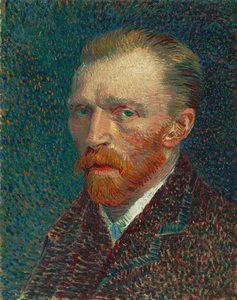
Вінсент Ван Гог
1853 - 1890 , Нідерланди
Короткі факти
- Artistic Movement Or Style: Пост-імпресіонізм
- Artists Or Movements Influenced By This Artist:
- Експресіонізм
- Фавлізм
- Artists Who Influenced This Artist:
- Рембрандт
- Жан-Фріц Мілет
- Date Of Birth: 30 березня 1853
- Date Of Death: 29 липня 1890
- Full Name: Vincent Willem van Gogh
- Nationality: Нідерландський
- Notable Artworks:
- Соняшники
- Зорі ніч
- Нічне кафе
- Place Of Birth: Зюндерт, Нідерланди