- Додому

- Цифрове зображення
- torii kiyomitsu
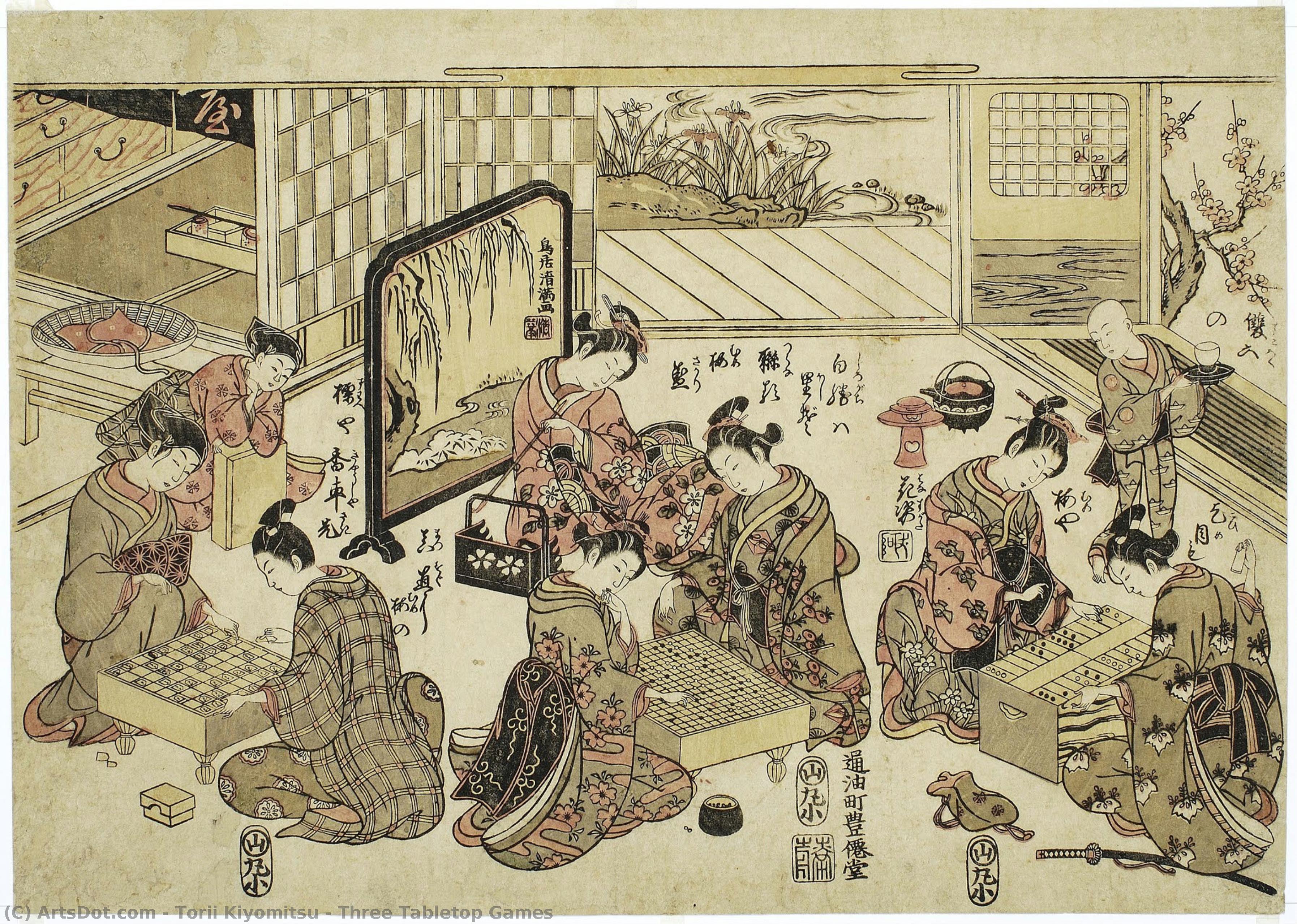
- Three Tabletop Games
 Preview
 Замовити друк Замовити репродукцію
 Надіслати
 Поділитися
 Деталі витвору
 Додати до улюблених

 Завантажити
 Схожі вироби
 Рентгенівське дослідження
 Слайд-шоу
Three Tabletop Games
 43.0 x 31.0 cm
 Tobacco and Salt Museum
 Розгорнути текст
Придбайте цифрову копію високої роздільної здатності з покращеною якістю, що значно перевершує онлайн-перегляд.
Кожен файл ретельно підготовлений нашими фахівцями за допомогою сучасних інструментів та професійної ручної ретуші. Ми гарантуємо виняткову чіткість, точну передачу кольору та високу деталізацію кожного зображення.
Фінальний файл надсилається електронною поштою протягом 72 годин і оптимізований для негайного використання у професійних виданнях та друкованих матеріалах. Таку якість обирають провідні дизайнерські студії, видавництва та галереї.
Цифрове зображення
Завантажте файл високої роздільної здатності для особистого перегляду, друку та творчих проєктів.
Включено в кожне замовлення цифрових зображень
Експертна цифрова доставка, гарантовано
Обираючи OriginalUniqueArt.com, ви отримуєте не просто зображення — ви отримуєте професійно вдосконалений цифровий витвір мистецтва, створений з надзвичайною точністю та підкріплений гарантією задоволення. Ось усе, що автоматично додається до вашого замовлення:

Швидка доставка на email
Ваш цифровий файл із зображенням високої роздільної здатності буде надісланий вам електронною поштою протягом 72 годин після оформлення замовлення — він буде готовий до негайного використання.

Цифровий файл із покращенням ШІ
Ваш витвір мистецтва професійно оптимізовано за допомогою передових інструментів штучного інтелекту та ручної корекції, що забезпечує максимальну деталізацію, чіткість і точність передачі кольорів.

Безкоштовне повторне надання послуг протягом усього життя
Випадково видалили або втратили файл? Не хвилюйтеся — ми надішлемо його вам повторно в будь-який час безкоштовно.

Без митних зборів — завжди
Насолоджуйтесь вашим витвором мистецтва миттєво без жодних мит, зборів або плати за доставку — цифрові завантаження завжди не оподатковуються.

Гарантія точності кольорів
Ми гарантуємо, що ваше цифрове зображення максимально точно відтворює оригінальні кольори завдяки використанню професійних інструментів та систем управління кольором.

Гарантія задоволення протягом 60 днів
Якщо ви не задоволені придбаним цифровим зображенням, ми відкоригуємо його або повернемо 100% вартості протягом 60 днів — без жодних запитань.

Гарантія повернення 100% коштів
Не задоволені покупкою? Отримайте повне повернення коштів протягом 60 днів після отримання цифрового файлу — без жодних запитань.

Знижки на оптові замовлення
Купуйте 3 зображення — заощаджуйте 10% — Купуйте 5 — заощаджуйте 15% — Купуйте 10+ — заощаджуйте 20%. Чудово підходить для творчих проєктів, галерей та агентств.
Опис колекційного об'єкта
Біографія митця
Early Life and Artistic Foundations
Joseph, Baron Ducreux, a name now synonymous with delightfully unconventional portraiture, was born in Nancy, France, on June 26, 1735. His lineage hinted at an artistic heritage; his father, too, pursued painting, providing young Joseph with an early introduction to the world of color and form. While details about his formal training remain somewhat sparse, it’s understood that he began his artistic journey under the tutelage of Maurice Quentin de La Tour, a prominent pastelist known for his Rococo style and masterful depictions of portraiture. This formative period instilled in Ducreux a deep understanding of technique – particularly in capturing subtle expressions and intricate details – skills that would prove crucial to his later success. The influence of Jean-Baptiste Greuze, another influential artist of the time, is also noted for shaping Ducreux’s oil painting techniques, adding depth and realism to his work.Royal Patronage and a Shift in Portraiture
Ducreux's trajectory dramatically shifted when he relocated to Paris in 1760. It was here that he secured a pivotal commission: the creation of a miniature portrait for Marie Antoinette before her marriage to Louis XVI in 1770. This undertaking catapulted him into the heart of French court life and established his reputation as a skilled miniaturist. However, Ducreux’s artistic ambitions extended beyond mere royal commissions. He quickly developed a distinctive style that challenged the prevailing norms of formal portraiture – a style characterized by an unprecedented level of personality and humor. His appointment as *premier peintre de la reine* (First Painter to the Queen) in 1769, despite not being a member of the prestigious Royal Academy of Painting and Sculpture, underscored his exceptional talent and the court’s recognition of his unique vision.The Revolutionary Self-Portraits
It was during the tumultuous years of the French Revolution that Ducreux truly distinguished himself. Forced to flee Paris, he sought refuge in London, where he undertook a remarkable task: painting the last portrait ever made of Louis XVI before the king’s execution. This poignant work served as a stark reminder of the era's dramatic shift and solidified Ducreux’s place in history. However, it was his self-portraits that cemented his legacy. These weren’t the stoic, dignified representations typical of the period; instead, they were vibrant, expressive studies of himself – often caught in moments of unguarded emotion. One particularly famous example, “Self-Portrait, Yawning” (1783), depicts him mid-yawn, a surprisingly candid and vulnerable portrayal that defied convention. Another, "Self-Portrait as a Mocker" (1783), shows Ducreux playfully pointing at the viewer with a mischievous grin, engaging the audience in a way previously unseen in portraiture. These works were revolutionary, injecting humor, spontaneity, and a sense of personality into a genre traditionally defined by formality and restraint.Physiognomy and Artistic Influence
Ducreux’s fascination extended beyond mere likeness; he was deeply interested in *physiognomy*, the study of facial features as indicators of character. This interest profoundly influenced his portraits, prompting him to explore a wider range of expressions than conventional portraiture allowed. He meticulously observed subtle nuances – a raised eyebrow, a slight smile, a furrowed brow – capturing not just outward appearance but also an underlying sense of personality and emotion. His willingness to experiment with facial expression paved the way for future artists to delve deeper into portraying human psychology within their work. His self-portraits, in particular, became influential, demonstrating that art could be both sophisticated and accessible, serious and humorous.Legacy and Enduring Appeal
Joseph Ducreux died on July 24, 1802, leaving behind a body of work that continues to captivate audiences today. Initially overshadowed by the rise of Neoclassicism, his unconventional self-portraits experienced a resurgence in popularity during the 20th and 21st centuries, largely thanks to the internet and meme culture. His expressive depictions have been widely shared and repurposed online, bringing his work to a global audience and highlighting its timeless appeal. Ducreux’s legacy extends beyond mere artistic merit; he represents a pivotal figure in the evolution of portraiture – an artist who dared to challenge conventions, embrace humor, and capture the complexities of human emotion with remarkable skill and originality. He remains a testament to the power of art to surprise, delight, and provoke thought.
torii kiyomitsu
1735 - 1785 , Japan
Короткі факти
- Artistic Movement Or Style: Portraiture
- Artists Who Influenced This Artist: ['Maurice Quentin de La Tour']
- Date Of Birth: June 26, 1735
- Date Of Death: July 24, 1802
- Full Name: Joseph Ducreux
- Nationality: Lorrainian, French
- Notable Artworks:
- Self-Portrait, Yawning
- Self-Portrait as a Mocker
- Place Of Birth: Nancy, France

