
 Переглянути в інтер'єрі
 Надіслати
 Поділитися
 Деталі
 Посібник

 Завантажити
 Схожі предмети колекціонування
 Рентгенівське дослідження
 Слайд-шоу
 Статистика переглядів
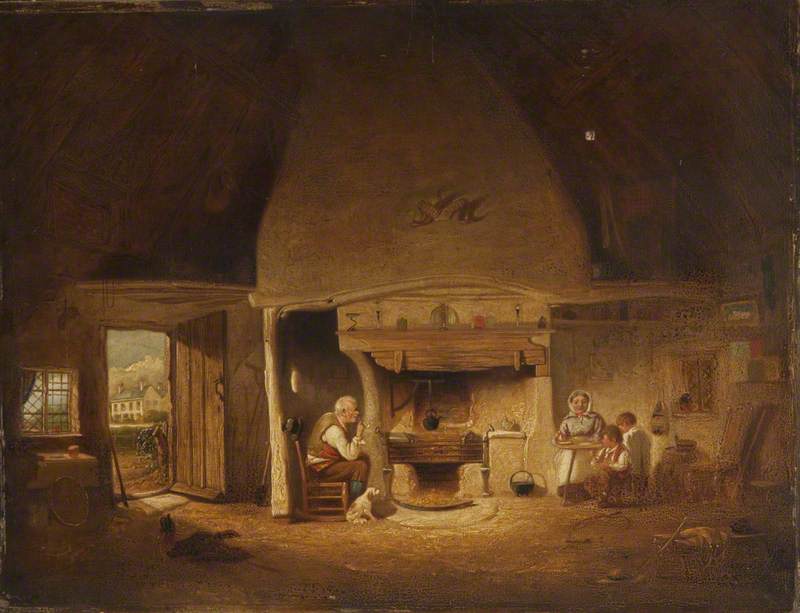
Cottage Interior
 Contemporary Realism
 38.0 x 48.0 cm
 Harris Museum - Art Gallery
 Читати далі
Придбайте цифрову копію високої роздільної здатності з покращеною якістю, що значно перевершує онлайн-перегляд.
Кожен файл ретельно підготовлений нашими фахівцями за допомогою сучасних інструментів та професійної ручної ретуші. Ми гарантуємо виняткову чіткість, точну передачу кольору та високу деталізацію кожного зображення.
Фінальний файл надсилається електронною поштою протягом 72 годин і оптимізований для негайного використання у професійних виданнях та друкованих матеріалах. Таку якість обирають провідні дизайнерські студії, видавництва та галереї.
Цифрове зображення
Завантажте файл високої роздільної здатності для особистого використання, друку та творчих проєктів. ( Перейти до друку Купити картину ручної роботи)
Що входить у кожне замовлення цифрових зображень
Експертна цифрова доставка з гарантією якості
Обираючи OriginalUniqueArt.com, ви отримуєте не просто зображення — ви отримуєте професійно вдосконалений цифровий витвір мистецтва, створений з надзвичайною точністю та підкріплений гарантією задоволення. Ось усе, що автоматично додається до вашого замовлення:

Швидка доставка на email
Ваш цифровий файл із зображенням високої роздільної здатності буде надісланий вам електронною поштою протягом 72 годин після оформлення замовлення — він буде готовий до негайного використання.

Цифровий файл із покращенням ШІ
Ваш витвір мистецтва професійно оптимізовано за допомогою передових інструментів штучного інтелекту та ручної корекції, що забезпечує максимальну деталізацію, чіткість і точність передачі кольорів.

Безкоштовне повторне завантаження назавжди
Випадково видалили або втратили файл? Не хвилюйтеся — ми надішлемо його вам повторно в будь-який час безкоштовно.

Без митних зборів — завжди
Насолоджуйтесь вашим витвором мистецтва миттєво без жодних мит, зборів або плати за доставку — цифрові завантаження завжди не оподатковуються.

Гарантія точності кольорів
Ми гарантуємо максимально точне відтворення оригінальних кольорів на вашому цифровому зображенні завдяки використанню професійних інструментів та систем управління кольором.

100-денна гарантія задоволення клієнта
Якщо ви не задоволені придбаним цифровим зображенням, ми внесемо правки або повернемо 100% вартості протягом 100 днів — без зайвих запитань.

Гарантія повернення 100% коштів
Незадоволені покупкою? Отримайте повне повернення коштів протягом 100 днів після отримання цифрового файлу — без зайвих запитань.

Знижки на оптові замовлення
Купуйте 3 зображення — заощаджуйте 10% — Купуйте 5 — заощаджуйте 15% — Купуйте 10+ — заощаджуйте 20%. Чудово підходить для творчих проєктів, галерей та агентств.
Біографія митця
A Life Etched in Shadow and Light: The Remarkable Story of Thomas Wade
The name Thomas Wade resonates with a peculiar blend of artistic talent and societal anomaly. Born in London in 1828, his story is far from the typical trajectory of a Victorian painter. While he achieved considerable recognition for his portraits and scenes of everyday life, Wade’s past was shrouded in secrecy – a secret revealed only after years: he was a transported convict. This duality—the refined skill of an artist juxtaposed with the stigma of penal servitude—makes him a uniquely compelling figure in 19th-century British art history. His early life remains largely undocumented, obscured by the circumstances that led to his conviction for forgery at the age of just nineteen. Sentenced to fourteen years of transportation, he arrived in Van Diemen’s Land (Tasmania) in 1847 aboard the *Lord Auckland*. It was here, amidst the harsh realities of colonial life, that Wade's artistic journey truly began to unfold.From Forgery to Fine Art: A Transformation in Tasmania
Initially employed as a clerk, Wade’s exceptional drawing skills soon became apparent. He quickly gained favour with officials and secured commissions for portraits of prominent colonists and their families. This was no mere survival tactic; Wade possessed genuine artistic ability. His style, heavily influenced by the American portraitist Thomas Sully, emphasized elegance, refinement, and a meticulous attention to detail. He mastered oil painting techniques, capturing not only likenesses but also the character and social standing of his sitters. The irony is striking: a man convicted for creating false documents found success in producing images valued for their authenticity and representation of status. His Tasmanian period (1847-1853) saw him become the most sought-after portrait painter in the colony, documenting the emerging colonial society with an impressive body of work. He wasn’t simply replicating faces; he was building a visual record of a new world, and his talent allowed him access to circles that would have otherwise been closed to a convict.Return to London and Continued Success
In 1853, Wade received a conditional pardon and returned to London. He re-established himself as a professional artist, exhibiting at the Royal Society of British Artists and other prestigious venues. His past remained largely concealed, allowing him to navigate Victorian society without the burden of his criminal record. While he continued to paint portraits – often depicting middle-class families and individuals – Wade also branched out into genre scenes, capturing moments from daily life with a keen eye for narrative detail. These works, though less celebrated than his portraiture, reveal a broader artistic sensibility and an interest in social observation. He skillfully adapted his style to meet the demands of the London art market, producing paintings that were both technically accomplished and commercially viable. His ability to blend Sully’s influence with a distinctly Victorian aesthetic ensured continued patronage.Legacy and Historical Significance
Thomas Wade's legacy is multifaceted. He stands as a testament to the transformative power of art, demonstrating how creativity can flourish even in the most challenging circumstances. His story challenges conventional notions of artistic genius and raises questions about redemption, social mobility, and the enduring impact of the past. The rediscovery of his convict origins in recent decades has added another layer of complexity to his biography, prompting a reassessment of his work within the broader context of colonial history and penal justice.- Artistic Style: Primarily influenced by Thomas Sully, characterized by elegance, refinement, meticulous detail, and a focus on capturing likenesses and social status.
- Key Themes: Portraiture of prominent colonists (Tasmania), middle-class families (London), scenes from daily life, narrative detail.
- Historical Context: Colonial Australia, Victorian society, penal transportation system, the art market in 19th-century Britain.
- Unique Contribution: Documenting colonial Australian society through portraiture; overcoming a criminal past to achieve artistic success; blending artistic skill with social observation.

Thomas Wade
1828 - 1891