

 Переглянути в інтер'єрі
 Надіслати як листівку
 Поділитися
 Деталі витвору
 Посібник

 Завантажити
 Схожі екземпляри
 Рентгенівське дослідження
 Слайд-шоу
 Q&A
Q&A Статистика
William Wollaston, MP
 Oil On Canvas
- WallArt
- Rococo
 1759
1759- 19th Century
 216.0 x 147.0 cm
 The Holburne Museum
 Розгорнути текст
Гікле / Художній принт
Друк جيкле або на полотні музейної якості з оперативним виготовленням та різноманітними варіантами фінішної обробки. ( Замовити картину ручної роботи Перейти до цифрових зображень)




P118B ₴10

P118H ₴10

P118W ₴10

P438Z ₴10

P508JH ₴12

P508YH ₴12

P805H ₴10

P805Z ₴10

P919BZ ₴10

P919G ₴10

P919XJ ₴10

P959ZH ₴10

P968JZ ₴12

W106C ₴8

W218G ₴10

W218JH ₴8

W218Y ₴10

W307PJ ₴10

W316G ₴10

W316PJ ₴8

W316Y ₴10

W398PJ ₴8

W4111J ₴10

W500HY ₴15

W500JH ₴15

W692G ₴12

W849H ₴8

W940BG ₴15

W953PJ ₴8




Обирайте з наших стандартних розмірів, що відповідають оригінальним пропорціям твору мистецтва.

Введіть необхідну ширину та висоту, щоб принт ідеально підійшов до вашої рами або стіни. Принт можна лише обрізати, але не можна зробити більшим за оригінал, тому при зміні пропорцій частина зображення буде втрачена. Перед друком ми надсилаємо вам цифровий макет для затвердження. Зображення на цій сторінці не відображає реальну обрізку — її можна побачити лише на макеті.
Доставка по всьому світу () за 2 тижні замість стандартних 4/5 тижнів. (30 Жовтень)

Безкоштовна експрес-доставка по всьому світу

Високоякісне лляне полотно

Повне страхове покриття доставки

Гарантія повернення митних зборів

Гарантія точного відтворення кольорів

Політика повернення протягом 100 днів (лише у разі виявлення дефектів)

Гарантія повернення 100% коштів

Пропозиція на оптові замовлення
 Скляний варіант доступний лише для розмірів до 110 см

William Wollaston, MP
Гікле / Художній принт
Розмір репродукції
-


Підсумкова вартість
₴ 3579
William Wollaston, MP – A Portrait of Georgian Refinement
Thomas Gainsborough’s “William Wollaston, MP,” painted in 1759, offers a captivating glimpse into the world of 18th-century English society. This portrait isn't merely a likeness; it’s a carefully constructed tableau reflecting the status and character of its subject, William Wollaston, a prominent Member of Parliament. The painting immediately draws the eye to Wollaston himself – a man of considerable presence, dressed in the height of fashionable attire: a deep blue jacket, crisp white trousers, and a neatly tied cravat. Gainsborough’s masterful use of light and shadow sculpts Wollaston's form, lending him an air of dignified composure. The detail in his clothing speaks to the wealth and influence he held, a testament to his position within the political landscape.
- Formal Attire: The meticulously rendered garments – particularly the blue jacket – were indicative of the status of a man involved in politics during this period.
- Compositional Balance: Gainsborough skillfully balances Wollaston’s figure with the presence of his dog, adding an element of domesticity and reinforcing the image of a respectable gentleman.
The Painterly Technique – A Blend of Observation and Impression
Gainsborough's technique in “William Wollaston, MP” exemplifies his signature style: a harmonious blend of direct observation and atmospheric effects. He employs loose brushstrokes, particularly evident in the depiction of the trees and foliage that form the backdrop, creating a sense of depth and movement. The use of color is subtle yet effective, with carefully chosen hues contributing to the overall mood of the piece. Note the delicate rendering of the birds – small details that elevate the portrait beyond a simple likeness, suggesting an appreciation for nature and perhaps even a touch of classical symbolism.
- Loose Brushwork: Gainsborough’s characteristic brushstrokes contribute to the painting's sense of immediacy and naturalism.
- Color Palette: The muted tones – blues, greens, and browns – evoke the atmosphere of the English countryside, grounding Wollaston within his surroundings.
Historical Context & Symbolic Elements
Painted in 1759, “William Wollaston, MP” reflects the burgeoning influence of the middle class during the Georgian era. Wollaston himself was a prominent figure, known for his philanthropic activities and political involvement. The inclusion of the dog is significant; it represents loyalty, companionship, and the virtues associated with a gentleman. The trees in the background, typical of Gainsborough’s landscapes, symbolize longevity, wisdom, and connection to nature – values often admired within the aristocratic circles of the time. The painting's creation coincides with Gainsborough's peak period, showcasing his ability to capture not just physical appearance but also the essence of a subject’s character.
- Georgian Society: The portrait reflects the social and political climate of 18th-century England.
- Symbolic Animals: The dog and birds carry symbolic weight, reinforcing Wollaston's status and values.
Emotional Impact & Artistic Legacy
“William Wollaston, MP” transcends a simple portrait; it’s an evocative representation of a man and his time. Gainsborough masterfully captures Wollaston’s dignity and composure, inviting the viewer to contemplate his character and place within society. This painting stands as a testament to Gainsborough's artistic skill and his ability to imbue his subjects with personality and meaning. Its enduring appeal lies in its ability to transport us back to Georgian England, offering a window into a world of refined manners, political intrigue, and the beauty of the natural landscape.
Питання та відповіді
З якої країни походить твір у стилі Rococo під назвою "William Wollaston, MP"?
Твір у стилі Rococo «William Wollaston, MP» був створений художником, який народився в Великобританія.
Яка насиченість кольорів у творі «William Wollaston, MP» роботи Томас Гейнсборо?
Насиченість кольорів у творі «William Wollaston, MP» — Monochromatic. Насиченість описує, наскільки яскравими та виразними є кольори.
Яке місце посідає «William Wollaston, MP» у творчому дорозі Томас Гейнсборо?
«William Wollaston, MP» належить до Rococo творчості Томас Гейнсборо, чиї характерні теми включають british landscape school, enlightenment ideals, portraiture tradition, decorative elegance, artist’s personal vision.
Біографія митця
A Suffolk Beginning: The Early Life and Artistic Awakening
The story of Thomas Gainsborough, one of Britain’s most celebrated artists, unfolds not within the confines of a grand academy or bustling metropolis, but in the tranquil market town of Sudbury, Suffolk. Born in 1727, the youngest son of John Gainsborough, a weaver and wool merchant, young Thomas displayed an innate artistic sensibility from a remarkably early age. While his siblings pursued more conventional paths, Thomas’s world rapidly became consumed by drawing and painting – miniature self-portraits and delicate landscapes blossoming from his hand even before he reached ten years old. This precocious talent wasn't merely a childhood pastime; it was the burgeoning of a vision that would reshape British art. His father, recognizing this unique gift, encouraged its development, setting young Thomas on a path diverging sharply from the family trade. The Suffolk countryside itself became his first studio, imbuing his later works with a deep and abiding love for the natural world – a characteristic that would distinguish him throughout his career. This early immersion in landscape wasn’t simply about replicating what he saw; it was about *feeling* the essence of the English countryside, an emotional resonance that would permeate his canvases for decades to come.London and the Shaping of a Style: Influences and Early Commissions
In 1740, at the age of thirteen, Gainsborough journeyed to London, embarking on formal artistic training under Hubert Gravelot, a French engraver renowned for his elegant rococo style. This exposure proved pivotal, introducing him to refined techniques and fashionable aesthetics. However, it was his association with William Hogarth and the St Martin’s Lane Academy that truly began to mold his artistic identity. Initially influenced by Hogarth's narrative approach – his focus on social commentary and moral lessons – Gainsborough soon charted his own course, developing a distinctive style characterized by its lightness of touch, fluid brushwork, and subtle color palettes. He absorbed lessons from various masters, including the Dutch landscape painters whose atmospheric effects he admired, yet resisted strict adherence to any single school, forging a path that blended observation with imagination. Returning to Sudbury after marrying Margaret Burr in 1746, Gainsborough established himself as a portraitist for the local gentry. This period honed his skills in capturing likenesses and character, but it was during his subsequent move to Ipswich, and later Bath, that he began attracting a more sophisticated clientele – individuals who appreciated not just accurate representation, but also artistic flair and emotional depth.Bath and Beyond: Portraiture, Landscape, and Royal Patronage
The years spent in Bath (1759-1774) marked a significant turning point in Gainsborough’s career. The city was a hub of fashionable society, providing him with ample opportunities to paint portraits of the wealthy and influential. He quickly gained renown for his ability to capture not only physical resemblance but also the personality and social standing of his sitters. His portraits weren't merely depictions; they were statements about identity and status. He experimented with new techniques, incorporating looser brushstrokes and brighter colors – a departure from the more formal style favored by his rival, Sir Joshua Reynolds. However, even amidst the demands of portraiture, Gainsborough never abandoned his passion for landscape painting. In fact, he often seamlessly integrated landscapes into his portraits, creating compositions that celebrated both human subjects and the beauty of the natural world. This innovative approach – a hallmark of his style – set him apart from many of his contemporaries. The culmination of his success came with his move to London in 1774, where he established a studio on Pall Mall and became a founding member of the Royal Academy. He also secured royal patronage, becoming a favorite painter of King George III and Queen Charlotte, further solidifying his position as one of Britain’s leading artists. *Mrs. Thomas Gainsborough*, painted in 1785, exemplifies this period – an elegant portrait showcasing rococo style and muted tones.A Legacy of Innovation: Enduring Appeal and Influence
Thomas Gainsborough died in 1788, leaving behind a body of work that continues to captivate audiences today. His influence on subsequent generations of British artists is undeniable. He liberated portraiture from rigid formality, infusing it with spontaneity and emotional resonance. His loose brushwork and atmospheric effects paved the way for the Impressionists, while his lyrical landscapes inspired artists like John Constable, who deeply admired Gainsborough’s ability to capture the spirit of the English countryside. Gainsborough's legacy extends beyond technique; it lies in his profound understanding of human character and his unwavering commitment to artistic expression. He wasn’t simply a painter of portraits or landscapes; he was a storyteller, a poet of light and color, and a visionary who transformed British art. His paintings are a testament to the power of observation, imagination, and the enduring allure of the English landscape.Exploring Gainsborough's World Today
Fortunately, the opportunity to experience Gainsborough’s genius firsthand remains readily available. Gainsborough’s House, in his birthplace of Sudbury, stands as a testament to his life and work, offering visitors an intimate glimpse into his early influences and artistic development. Christchurch Mansion in Ipswich houses a significant collection of Gainsborough paintings alongside works by Constable and other masters. Numerous museums across the United Kingdom and internationally display his masterpieces, including the National Gallery in London and the Metropolitan Museum of Art in New York. His work continues to be studied, analyzed, and celebrated, ensuring that his artistic vision will endure for generations to come. The enduring appeal of Gainsborough’s art lies not only in its technical brilliance but also in its timeless beauty and emotional depth – qualities that resonate with viewers across centuries.
Томас Гейнсборо
1727 - 1788 , Великобританія
Короткі факти
- Artistic Movement Or Style: Рококо, Портрет
- Artists Or Movements Influenced By This Artist: ['Констабль']
- Artists Who Influenced This Artist:
- Гревалот
- Хогарш
- Date Of Birth: 1727
- Date Of Death: 1788
- Full Name: Thomas Gainsborough
- Nationality: Британський
- Notable Artworks:
- Місіс Томас Гейнсборо
- Пані Ендрюс
- Place Of Birth (City And Country): Судбері, Великобританія
Пов'язані статті
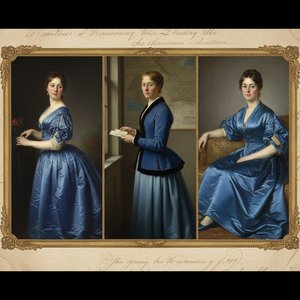
Azure Visions: Exploring Representations of the Blue Dress in Western Art History
Explore the rich history of the blue dress in Western art! Discover its symbolism, from Renaissance masterpieces to modern interpretations by artists like Martin & Schiele. Uncover cultural meanings and artistic techniques.
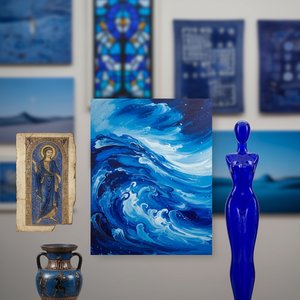
The Allure of Azure: Exploring the Symbolic & Aesthetic Depths of Blue in Art History
Explore the rich history of blue in art! Discover its symbolism, from ancient pigments to modern masterpieces by Kandinsky & Seurat. Uncover the psychological impact and cultural meanings behind this captivating hue.
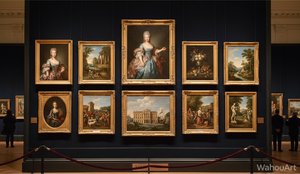
Топ-10 шедеврів XVIII століття: мистецтво епохи палаців та революцій | OriginalUniqueArt
Пориньте у світ мистецтва XVIII століття! Від рококо до неокласицизму – відкрийте 10 шедеврів від Давида, Ватто та інших геніїв. Репродукції картин преміум-якості для вашого дому на OriginalUniqueArt.com

Топ-10 знаменитих картин у відтінках сіро-блакитного: мистецтво для вашого дому
Пориньте у світ сіро-блакитного кольору! Від Моне до Ренуара – топ-10 знаменитих картин, що зачаровують глибиною відтінків. Історія мистецтва, техніки та натхнення для вашого дому. Знайдіть репродукцію мрії на OriginalUniqueArt.com!
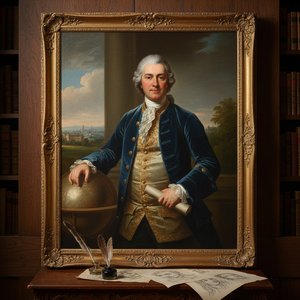
Thomas Hudson: A Study in 18th-Century Portraiture & British Artistic Identity
Explore the life & work of Thomas Hudson, a leading 18th-century British portraitist. Discover his mastery of the 'Grand Manner,' influential style, and lasting impact on British art. Learn about his notable portraits like Judge William Noel & Alexander Van Aken.


