
 Переглянути в інтер'єрі
 Надіслати як листівку
 Поділитися
 Детальніше

 Завантажити
 Схожі експонати
 Рентгенівське дослідження
 Слайд-шоу
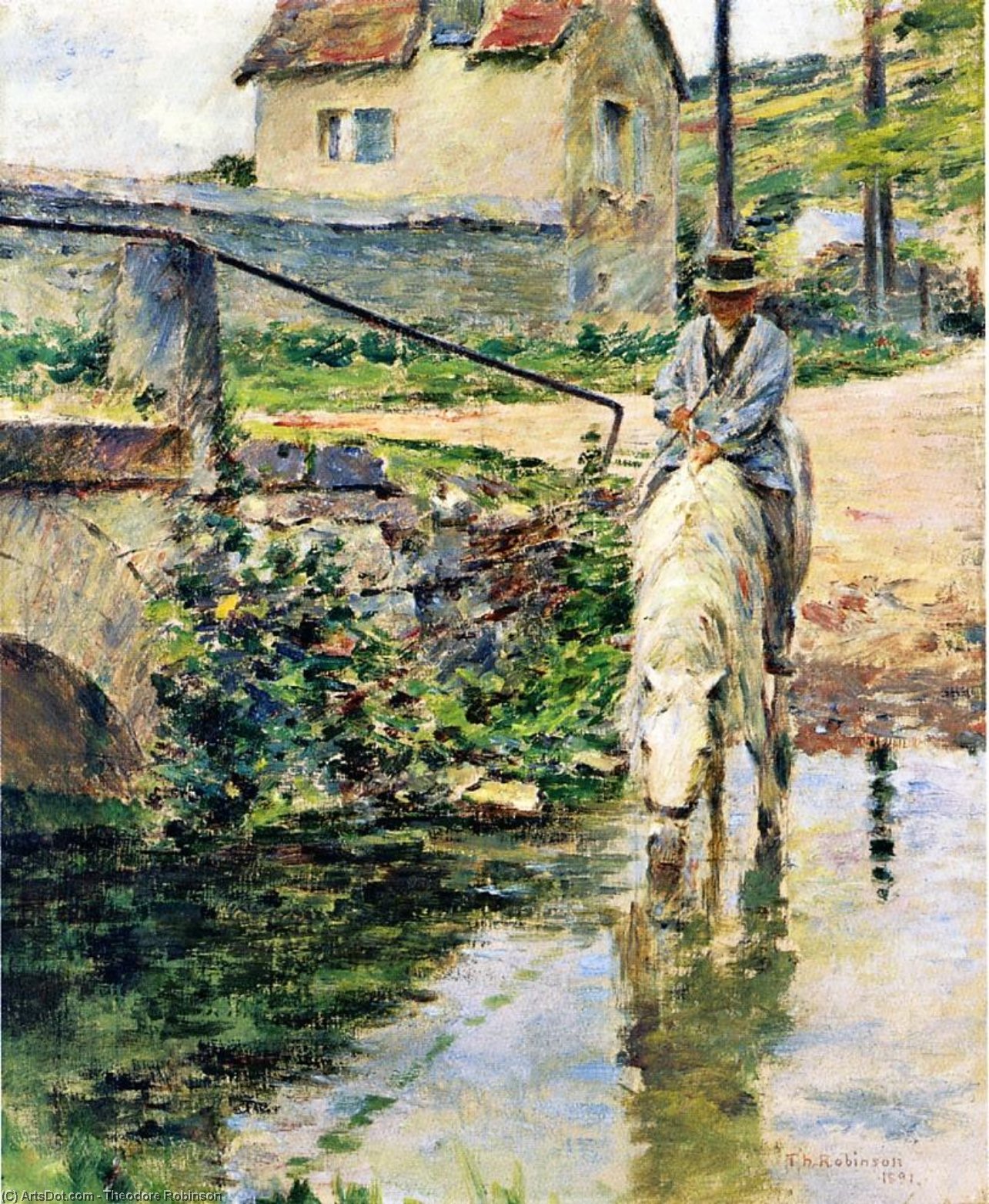
The Watering Place
 Олія на полотні
- Настінне мистецтво
- American Impressionism
 1891
1891- — XIX століття
 Baltimore Museum of Art
 Читати далі
Гікле / Художній принт
Музейна якість друку جيкле або на полотні з оперативним виготовленням та різноманітними варіантами фінішної обробки. ( Замовити репродукцію ручної роботи Купити цифрове зображення)




P118B $10

P118H $10

P118W $10

P438Z $10

P508JH $12

P508YH $12

P805H $10

P805Z $10

P919BZ $10

P919G $10

P919XJ $10

P959ZH $10

P968JZ $12

W106C $8

W218G $10

W218JH $8

W218Y $10

W307PJ $10

W316G $10

W316PJ $8

W316Y $10

W398PJ $8

W4111J $10

W500HY $15

W500JH $15

W692G $12

W849H $8

W940BG $15

W953PJ $8




Обирайте з наших стандартних розмірів, що відповідають оригінальним пропорціям твору мистецтва.

Ви можете вказати власні розміри, щоб репродукція ідеально підійшла до конкретної рами або інтер'єру. Якщо обраний вами розмір не відповідає пропорціям оригіналу, ми або обріжемо полотно, або розширимо зображення за допомогою дзеркального відображення чи суцільної заливки країв. Перед початком виробництва вам буде надіслано цифровий макет для затвердження.
Будь ласка, зверніть увагу, що попередній перегляд на екрані не відображає фактичне обрізання або розширення. Тільки макет точно покаже фінальну композицію.
Хоча можливість замовлення індивідуальних розмірів доступна, ми рекомендуємо обирати формат із попередньо визначеного списку, щоб зберегти оригінальні пропорції.
Доставка по всьому світу () за 2 тижні замість стандартних 4/5 тижнів. (20 Серпень)

Безкоштовна експрес-доставка по всьому світу

Високоякісне лляне полотно

Повне страхове покриття доставки

Гарантія відшкодування митних зборів

Гарантія точного відтворення кольорів

Політика повернення протягом 60 днів (лише у разі виявлення дефектів)

Гарантія повернення 100% коштів

Пропозиція на оптові замовлення
 Скляний варіант доступний лише для розмірів до 110 см

The Watering Place
Гікле / Художній принт
Розмір репродукції
-


Підсумкова вартість
$ 80
Опис експоната
The Watering Place: A Vision of Rural Tranquility by Theodore Robinson
Theodore Robinson’s “The Watering Place,” painted in 1891, isn't merely a depiction of a rural scene; it’s an immersion into a carefully constructed world of quiet contemplation and the profound beauty of the natural world. This oil on canvas, currently residing within the Baltimore Museum of Art, offers a glimpse into the heart of American Impressionism – a movement Robinson helped pioneer by embracing the shimmering light and broken color techniques he encountered during his transformative years in France.
At first glance, the painting presents a deceptively simple tableau: a man on horseback traversing a dirt road leading to a modest farmhouse nestled amidst rolling hills. A second horse stands patiently nearby, suggesting a moment of respite or perhaps the anticipation of another journey. However, beneath this surface tranquility lies a complex layering of artistic influences and personal reflection. Robinson’s early training in traditional academic styles is evident in the meticulous rendering of the landscape – the precise detail of the foliage, the subtle gradations of color in the sky, and the carefully constructed perspective of the buildings. Yet, he skillfully infuses this foundation with the Impressionistic principles he absorbed from Monet and other French masters, particularly their focus on capturing fleeting moments of light and atmosphere.
Impressionist Techniques and a Harmonious Palette
Robinson’s masterful use of brushstrokes is immediately striking. Rather than striving for sharp outlines or photographic realism, he employs loose, expressive strokes that create a sense of movement and immediacy. Notice how the sunlight seems to dance across the fields, rendered with delicate washes of color – pale blues and greens mingling with hints of gold and ochre. This technique isn’t simply about replicating what the eye sees; it's about conveying the *feeling* of being present in that moment, experiencing the warmth of the sun and the freshness of the air.
The composition itself is carefully balanced, drawing the viewer’s eye along the winding road towards the distant farmhouse. The muted color palette – dominated by earthy tones and soft pastels – contributes to a sense of serenity and timelessness. Robinson's deliberate choice of colors evokes a feeling of nostalgia, as if recalling a simpler, more harmonious time. The painting is not about grand drama or heroic figures; it’s about the quiet dignity of rural life and the restorative power of nature.
A Reflection of Robinson’s Journey
Understanding “The Watering Place” requires considering Theodore Robinson's own personal journey as an artist. Born in Vermont, he spent his early years moving across the United States before embarking on a pivotal trip to Europe in 1884. It was during this time that he became deeply influenced by Impressionism and developed a close friendship with Claude Monet at Giverny. Robinson’s work began to reflect these new influences, shifting from more traditional landscapes to paintings characterized by vibrant color, broken brushstrokes, and an emphasis on capturing the ephemeral qualities of light and atmosphere.
The painting can be interpreted as a distillation of Robinson's experiences – a longing for the tranquility he found in nature after years of restless travel. The man on horseback represents a journey, both literal and metaphorical, while the watering place itself symbolizes a moment of respite and renewal. It’s a scene imbued with a sense of peace and contentment, suggesting that true beauty can be found in the simplest of things.
Collecting a Legacy: Reproductions and Beyond
Today, “The Watering Place” stands as a testament to Robinson's artistic vision and his significant contribution to American art. High-quality reproductions, such as those available at OriginalUniqueArt.com, allow art lovers to experience the painting’s beauty and tranquility in their own homes. These meticulously crafted prints capture the essence of Robinson's original work, offering a tangible connection to this remarkable piece of American artistic heritage. For those seeking to delve deeper into Robinson’s life and work, resources like the Baltimore Museum of Art’s website (Wikipedia) and online artist databases provide valuable insights.
Біографія митця
A Pioneer of American Light: The Life and Art of Theodore Robinson
Theodore Robinson, a name perhaps less immediately recognizable than those of Monet or Renoir, nevertheless occupies a pivotal position in the story of American art. Born in rural Vermont in 1852, his journey was one of persistent artistic seeking, culminating in a unique synthesis of European Impressionism and distinctly American sensibilities. His life, though tragically cut short at the age of forty-four, left an enduring legacy as a key figure in bringing the shimmering light and broken color of France to a new generation of American painters. Robinson’s early years were marked by frequent relocation; his family moved to Wisconsin when he was just three years old, and he briefly studied art in Chicago before venturing east to New York City in 1874. There, he enrolled at the National Academy of Design and the Art Students League, laying a foundation in traditional techniques that would later be brilliantly transformed by his experiences abroad. These formative years were also shaped by practical necessity; Robinson often supplemented his artistic pursuits with teaching positions, a task he found draining due to chronic asthma which plagued him throughout his life.From Realism to the Allure of Giverny
Robinson’s initial artistic inclinations leaned towards realism, mirroring the prevailing tastes of the time. He favored scenes of quiet domesticity and agrarian life, depicting figures engaged in everyday activities with a meticulous attention to detail. These early works—images of rural families, solitary women tending their homes, or farmers working the land—were rendered with a careful observation of form and a respect for traditional artistic conventions. However, a turning point arrived in 1884 when he embarked on an extended stay in France. It was here, in the idyllic countryside surrounding Paris, that his artistic vision underwent a profound shift. He settled in Giverny, becoming intimately acquainted with Claude Monet and absorbing the principles of Impressionism firsthand. This wasn’t merely a stylistic adoption; it was a complete reimagining of how light, color, and atmosphere could be captured on canvas. Monet's guidance proved invaluable, encouraging Robinson to embrace a more spontaneous approach, focusing on the fleeting effects of light and shadow rather than precise representation. The influence is palpable in works like *Giverny 1*, *Giverny 2*, and *Giverny 3*, where dappled sunlight filters through trees, creating an ethereal quality that transcends mere depiction. He didn’t simply copy Monet; he filtered the Impressionist aesthetic through his own American lens, retaining a sense of structure and form that distinguished his work from its French counterparts.A Bridge Between Worlds: Sharing the Vision
Robinson's significance extends beyond his individual paintings; he served as a crucial conduit between the European avant-garde and the burgeoning American art scene. His position in Giverny placed him at the center of an American artistic colony, allowing him to share his newfound knowledge and enthusiasm with fellow painters like Julian Alden Weir and John Henry Twachtman. He became a passionate advocate for Impressionism, tirelessly demonstrating its techniques and principles to those who sought his guidance. This role as a mentor and interpreter was particularly important in a time when American art was still largely dominated by academic traditions. His influence is evident in the work of many artists who visited Giverny, helping to establish an American Impressionist style that was both indebted to French innovations and uniquely its own. He brought back not just techniques but also a philosophy – a way of seeing and responding to the world around him.Later Years and Lasting Legacy
Returning to America in 1892, Robinson sought to apply his Impressionist vision to the landscapes of his native country. He worked alongside Weir and Twachtman at Cos Cob, Connecticut, a thriving art colony, and painted scenes along the canals of New York State before eventually settling in Vermont, hoping to recreate a Giverny-like environment closer to home. However, his health continued to deteriorate, and he faced increasing financial hardship. His final years were marked by isolation and struggle, culminating in his death in 1896. Ironically, many of his paintings remained unsold during his lifetime, only gaining recognition after his passing. Today, Theodore Robinson’s work is held in major museum collections, including the Metropolitan Museum of Art in New York City, a testament to his enduring artistic merit. His meticulous diaries, preserved at the Frick Art Reference Library, offer invaluable insights into his creative process and intellectual life.A Lasting Impression
Theodore Robinson’s contribution to American art lies not only in the beauty of his paintings but also in his role as a catalyst for change. He was a bridge between cultures, a passionate advocate for innovation, and a gifted artist who helped shape the course of American Impressionism. His work embodies a delicate balance between observation and interpretation, realism and abstraction, European influence and American identity. He demonstrated that it was possible to embrace the radical innovations of Impressionism without sacrificing one’s artistic voice or cultural heritage. His paintings continue to captivate viewers with their luminous quality and evocative atmosphere, reminding us of the power of art to transform our perception of the world around us. Robinson's legacy is a testament to the enduring appeal of light, color, and the pursuit of artistic truth.- Notable Works: Giverny 1, Giverny 2, Giverny 3, La débâcle (1892)
- Influences: Claude Monet, John La Farge, Carolus-Duran, Jean-Léon Gérôme
- Artistic Movement: American Impressionism

Теодор Робінсон
1852 - 1896 , США
Короткі факти
- Artistic Movement Or Style: Імпресіонізм
- Artists Or Movements Influenced By This Artist: ['Американський імпресіонізм']
- Artists Who Influenced This Artist:
- Моне
- Ла Фарж
- Date Of Birth: 1852
- Date Of Death: 1896
- Full Name: Theodore Robinson
- Nationality: Американський
- Notable Artworks:
- Giverny 1
- Giverny 2
- Giverny 3
- Place Of Birth: Irasburg, США
Пов'язані статті

25 шедеврів Поля Сезанна: подорож у світ імпресіонізму та натюрморту | OriginalUniqueArt
Відкрийте 25 найвідоміших картин Поля Сезанна! Дослідіть імпресіонізм, натюрморти та пейзажі художника. Купіть високоякісні репродукції та знайдіть ідеальний декор для вашого дому на OriginalUniqueArt.com.

The Enduring Legacy of Oil on Canvas: Technique, History & Aesthetic Impact
Explore the rich history & techniques of oil painting – from Renaissance masters to Impressionism. Discover pigments, layering methods, and why this timeless medium endures. Expert insights for artists & art enthusiasts.
The Soul of Impressionism: Why Oil on Canvas Captures Eternal Light and Timeless Emotion
Discover the enchanting alchemy of Impressionism. Explore how the mastery of oil on canvas, through glazing and impasto, captures eternal light and emotion. Perfect for lovers of Monet and Van Gogh seeking the profound depth of hand-painted fine art.
Топ-10 шедеврів пейзажу: мистецтво природи в інтер'єрі від OriginalUniqueArt
Відкрийте для себе 10 найвідоміших пейзажів в історії мистецтва! Ван Гог, Моне та інші майстри. Репродукції картин високої якості від OriginalUniqueArt – натхнення для вашого дому. Дослідіть колекцію онлайн!
Топ-10 легендарних шедеврів олійного живопису, які змінили мистецтво назавжди | OriginalUniqueArt.com
Відкрийте для себе 10 легендарних шедеврів олійного живопису, які змінили світ мистецтва! Історія Ван Гога, Моне та інших геніїв. Репродукції картин преміум-класу для вашого дому на OriginalUniqueArt.com. Дослідіть колекцію онлайн!

