
 Переглянути в інтер'єрі
 Надіслати як листівку
 Поділитися
 Детальніше

 Завантажити
 Схожі експонати
 Рентгенівське дослідження
 Слайд-шоу
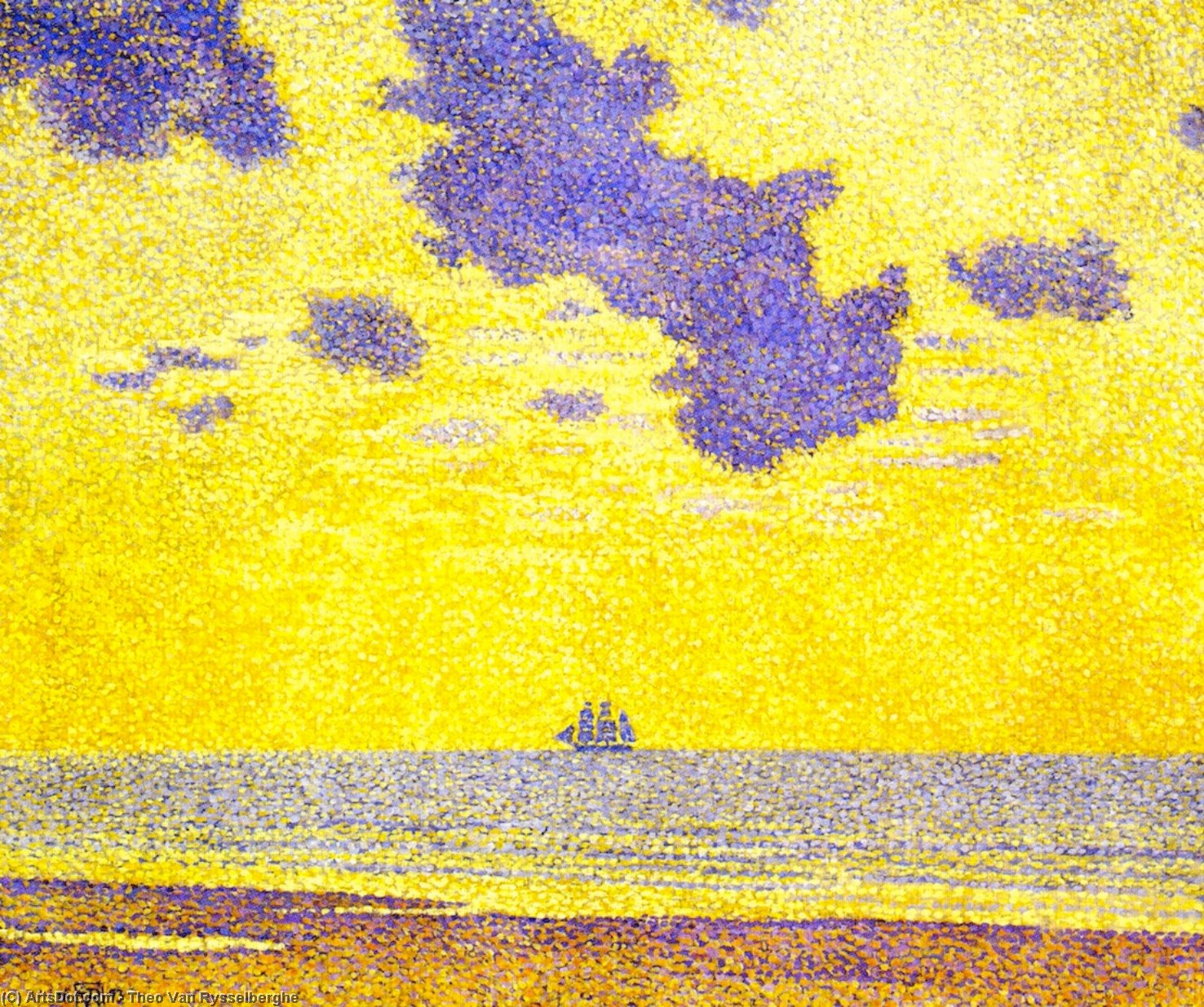
Seascape
 Олія
Олія- Настінне мистецтво
- Post-Impressionism
 1893
1893- — Пізнє Середньовіччя
 Індіанапольський музей мистецтв
 Читати далі
Олійная репродукція ручної роботи
Написана вручну олією на полотні у вашому розмірі та рамі, виготовлена на замовлення нашими художниками. ( Замовити принт Купити цифрове зображення)




P118B $10

P118H $10

P118W $10

P438Z $10

P508JH $12

P508YH $12

P805H $10

P805Z $10

P919BZ $10

P919G $10

P919XJ $10

P959ZH $10

P968JZ $12

W106C $8

W218G $10

W218JH $8

W218Y $10

W307PJ $10

W316G $10

W316PJ $8

W316Y $10

W398PJ $8

W4111J $10

W500HY $15

W500JH $15

W692G $12

W849H $8

W940BG $15

W953PJ $8




Обирайте з наших стандартних розмірів, що відповідають оригінальним пропорціям твору мистецтва.

Ви можете вказати власні розміри, щоб репродукція ідеально підійшла до конкретної рами або інтер'єру. Якщо вибраний вами розмір не відповідає пропорціям оригіналу, ми або обріжемо полотно, або доповнимо картину додатковими елементами, промальованими вручну. Цифровий макет буде надіслано вам на затвердження перед початком виробництва.
Зверніть увагу, що попередній перегляд на екрані не відображає фактичне обрізання або розширення зображення. Тільки макет точно покаже остаточну композицію.
Хоча ми можемо виготовити виріб у нестандартному розмірі, для збереження оригінальних пропорцій рекомендуємо обирати варіанти зі встановленого списку.
Після оформлення замовлення команда OriginalUniqueArt.com зв'яжеться з клієнтом електронною поштою для отримання інструкцій та надасть попередній макет
Доставка по всьому світу () за 3–4 тижні замість стандартних 5 тижнів. (18 Серпень). Без жодних компромісів у якості.

Безкоштовна експрес-доставка по всьому світу

Високоякісне лляне полотно

Повне страхове покриття доставки

Гарантія відшкодування митних зборів

Гарантія точного відтворення кольорів

Політика повернення протягом 60 днів (лише у разі виявлення дефектів)

Гарантія повернення 100% коштів

Пропозиція на оптові замовлення
 Скляний варіант доступний лише для розмірів до 110 см

Seascape
Матеріал репродукції
Розмір репродукції
-


Підсумкова вартість
$ 300
Опис твору
A Symphony of Light and Sea: Theo van Rysselberghe’s “Seascape”
Theo van Rysselberghe's "Seascape," painted in 1893, isn’t merely a depiction of the ocean; it’s an immersion into a world where light dances upon water and tranquility reigns supreme. This oil on canvas, currently residing within the Indianapolis Museum of Art, embodies the heart of Post-Impressionism – a movement characterized by its vibrant color palettes, subjective perspectives, and a deliberate departure from strict realism. Van Rysselberghe, a pivotal figure bridging Impressionism and Neo-Impressionism, masterfully captures not just the visual elements of the seascape but also an elusive sense of mood and atmosphere, inviting the viewer into a contemplative space.
The painting immediately draws the eye to its luminous sky – a wash of yellows and blues that suggest both dawn and dusk. These aren’t the sharp, defined colors of traditional landscape art; instead, they bleed into one another with remarkable fluidity, creating an ethereal quality. Below this celestial expanse unfolds a deep azure ocean, punctuated by the gentle whitecaps of waves. The artist's brushstrokes are loose and expressive, avoiding meticulous detail in favor of conveying the *feeling* of movement and light. Two small boats navigate these waters, their forms subtly rendered against the vastness of the sea, hinting at human presence without dominating the scene.
Neo-Impressionism’s Dance with Light
Van Rysselberghe's approach aligns perfectly with the tenets of Neo-Impressionism. This movement, emerging in the late 19th century, built upon Impressionism but sought to introduce a more scientific and deliberate method to color theory. Artists like Van Rysselberghe employed “pointillism” – applying tiny dots of pure color to create an optical mixture when viewed from a distance. While not as rigorously executed as in works by Seurat or Signac, the influence is evident in the layering of colors and the overall effect of shimmering light. The painting’s vibrancy isn't achieved through blending on the palette but through the careful juxtaposition of individual hues.
The inclusion of a solitary figure near the left center adds an intriguing layer to the composition. This individual, seemingly lost in contemplation against the backdrop of the expansive sea, serves as a focal point for the viewer’s gaze. It's not a portrait in the traditional sense; rather, it represents humanity’s smallness and vulnerability when confronted with the immensity of nature. The figure’s presence subtly elevates the painting beyond a simple seascape, transforming it into a meditation on scale, perspective, and the human condition.
A Moroccan Echo & Belgian Roots
Van Rysselberghe's artistic journey was profoundly shaped by his extensive travels, particularly his sojourns in Morocco between 1882 and 1883. These experiences ignited a passion for capturing the intense light and vibrant colors of the North African landscape. The influence of these travels is palpable in “Seascape,” evident in the warm tones and the evocative depiction of the sea’s surface. His time in Morocco also fostered an appreciation for the interplay between color, shadow, and atmosphere – elements that he skillfully integrates into this painting.
Born in Ghent, Belgium, Van Rysselberghe's early training instilled a grounding in traditional realism. However, his travels and engagement with contemporary artistic movements propelled him toward a more expressive and subjective style. “Seascape” represents a harmonious synthesis of these influences – a testament to the artist’s ability to blend technical skill with emotional depth.
Capturing Tranquility: A Reproduction for Your Space
Reproductions of "Seascape" offer a remarkable opportunity to bring this evocative artwork into your home or office. The meticulous detail and vibrant colors are faithfully recreated, allowing you to experience the painting’s serene atmosphere firsthand. Whether displayed in a coastal room, a study, or a gallery wall, this reproduction serves as a constant reminder of the beauty and tranquility found within nature – a timeless piece that speaks to the soul.
Consider commissioning a hand-painted replica from OriginalUniqueArt.com for an authentic experience, capturing the nuances of Van Rysselberghe’s technique and ensuring a treasured addition to your collection. The painting's legacy continues through these reproductions, allowing its beauty to be shared with a wider audience.
Біографія митця
Théo van Rysselberghe: A Pioneer of Light and Color
Théophile “Théo” van Rysselberghe, a name synonymous with Belgian Neo-Impressionism, was more than just an artist; he was a pivotal figure who bridged the gap between traditional realism and the burgeoning avant-garde movements of the late 19th century. Born in Ghent, Belgium, in 1862, his life’s journey was marked by a relentless pursuit of capturing the ephemeral beauty of light and color – a quest that ultimately shaped not only his artistic style but also the broader landscape of European art.
Van Rysselberghe's early training at the Academy of Ghent instilled in him a solid foundation in academic painting techniques. His initial works, such as *Self-Portrait with Pipe* (1880), reflected this classical influence – characterized by meticulous detail and somber tones. However, even within these early pieces, subtle hints of a burgeoning sensitivity to light and color began to emerge, foreshadowing the radical shift that was to come. The painting *Child in an Open Spot of the Forest* (1880) represents a crucial step away from strict realism, suggesting a nascent interest in capturing the fleeting effects of nature’s brilliance.
Moroccan Impressions: A Catalyst for Change
A transformative period in van Rysselberghe's artistic development unfolded during his extended travels to Morocco between 1882 and 1888. These sojourns, a stark contrast to the muted palette of his earlier work, plunged him into a world saturated with vibrant colors, intense sunlight, and exotic landscapes. Paintings like *Arabian Street Cobbler* (1882), *Arabian Boy* (1882), and *Resting Guard* (1883) vividly demonstrate this shift – capturing the dazzling effects of light on form and revealing a profound fascination with Moroccan culture. These experiences weren’t merely visual observations; they were an immersion into a different way of seeing, broadening his artistic horizons and instilling a lifelong love for travel.
Crucially, these travels coincided with his association with the artist Frantz Charlet and the painter Darío de Regoyos. Together, they explored the Spanish and Moroccan art scene, encountering influences from masters like Pedro Campaña, whose works sparked an interest in capturing the essence of light and atmosphere. This exposure to diverse artistic traditions fueled van Rysselberghe’s evolving style.
The Birth of Les XX: A Hub for Avant-Garde Art
Upon his return to Brussels, van Rysselberghe became a central figure in the burgeoning avant-garde scene. He played a key role in establishing *Les XX* (Les Vingt), an influential exhibition society founded in 1883 alongside Octave Maus and Émile Verhaeren. This group served as a vital platform for showcasing innovative art, music, poetry, and decorative arts – introducing new trends like Impressionism and Symbolism to a Belgian audience largely unfamiliar with such movements. *Les XX* provided van Rysselberghe with invaluable exposure and fostered a collaborative environment where artistic ideas could flourish.
Embracing Neo-Impressionism: A Scientific Approach
The true turning point in van Rysselberghe’s artistic trajectory arrived with his encounter with Georges Seurat's *A Sunday on La Grande Jatte* at the eighth Impressionist exhibition in Paris in 1886. Initially skeptical of Seurat’s meticulous “pointillist” technique – the systematic application of tiny dots of pure color – van Rysselberghe gradually came to appreciate its scientific basis and potential for achieving luminous effects. He began experimenting with divisionism, the Neo-Impressionist method of separating colors into their constituent parts and allowing the viewer’s eye to blend them optically. This wasn't simply a technical shift; it represented a fundamental change in his approach to painting – a move towards a more analytical and objective representation of light and color.
He forged close friendships with other Neo-Impressionist painters like Paul Signac, traveling with him along the French Riviera and exchanging ideas about technique and theory. Van Rysselberghe distinguished himself within the movement by applying pointillism not only to landscapes but also to portraiture, creating strikingly vibrant and psychologically insightful likenesses of his family and friends – works such as *Madame Charles Maus* (1890) are prime examples.
Beyond Pointillism: A Lasting Legacy
While deeply committed to Neo-Impressionism for a significant period, van Rysselberghe eventually moved beyond its strict tenets in the late 1890s. He sought greater freedom in his brushwork and compositions, exploring new ways to express emotion and atmosphere. He continued to be a prolific artist, working in various media including furniture design, book illustration, and decorative arts. His influence extended far beyond Belgium, impacting artists like Piet Mondrian and Jan Toorop who were inspired by his innovative use of color and light.
Van Rysselberghe’s legacy lies not only in his beautiful paintings but also in his role as a catalyst for artistic change – a champion of modernism who helped introduce new ideas and techniques to the Belgian art world. His works are now held in prominent museum collections worldwide, ensuring that his contribution to the history of art continues to be celebrated and appreciated by generations to come. *His dedication to exploring the interplay of light, color, and form cemented his place as a true pioneer of modern painting.*

Теофіл ван Рисселбрюгге
1862 - 1926 , Бельгія
Короткі факти
- Artistic Movement Or Style: Неоімпресіонізм
- Artists Or Movements Influenced By This Artist:
- П’єт Мондріан
- Джан Тоороп
- Artists Who Influenced This Artist:
- Жан-Франсуа Портаельс
- Жорж Сеур
- П’єр-Огюст Ренуар
- Date Of Birth: 23 листопада 1862
- Date Of Death: 13 грудня 1926
- Full Name: Théo van Rysselberghe
- Nationality: Бельгійський
- Notable Artworks:
- Арабська фантазія
- Іспанка
- Севільська жінка
- Place Of Birth: Гент, Бельгія
Пов'язані статті
25 шедеврів Вінсента ван Гога: мистецтво, що торкає душу | OriginalUniqueArt
Відкрийте 25 найвідоміших шедеврів Вінсента ван Гога! Дізнайтесь історії створення культових картин, техніки та емоційний вплив імпресіонізму. Репродукції картин Ван Гога для вашого дому – на OriginalUniqueArt.com.

Théo van Rysselberghe: Pioneering Belgian Pointillism & the Pursuit of Luminosity
Explore the captivating world of Théo van Rysselberghe, a pioneer of Belgian Neo-Impressionism. Discover his masterpieces, artistic journey, and lasting impact on modern art. Learn more at OriginalUniqueArt.

Рембрандт ван Рейн: Топ-25 шедеврів для вашого дому | OriginalUniqueArt
Пориньте у світ Рембрандта ван Рейна! 25 культових шедеврів бароко, портретів та біблійних сцен. Купіть високоякісні репродукції картин Рембрандта для вашого дому на OriginalUniqueArt.com – музейне мистецтво онлайн!

The Enduring Legacy of Oil on Canvas: Technique, History & Aesthetic Impact
Explore the rich history & techniques of oil painting – from Renaissance masters to Impressionism. Discover pigments, layering methods, and why this timeless medium endures. Expert insights for artists & art enthusiasts.
The Soul of Impressionism: Why Oil on Canvas Captures Eternal Light and Timeless Emotion
Discover the enchanting alchemy of Impressionism. Explore how the mastery of oil on canvas, through glazing and impasto, captures eternal light and emotion. Perfect for lovers of Monet and Van Gogh seeking the profound depth of hand-painted fine art.


